Serving Dallas–Fort Worth & East Texas214-233-6619

Protection from humidity, salt air and condensation

Seaworthy & Moisture-Proof Crating

Sealed barrier bags, VCI and calculated desiccant inside sheathed, ISPM-15 crates built for weeks at sea and humid ports.

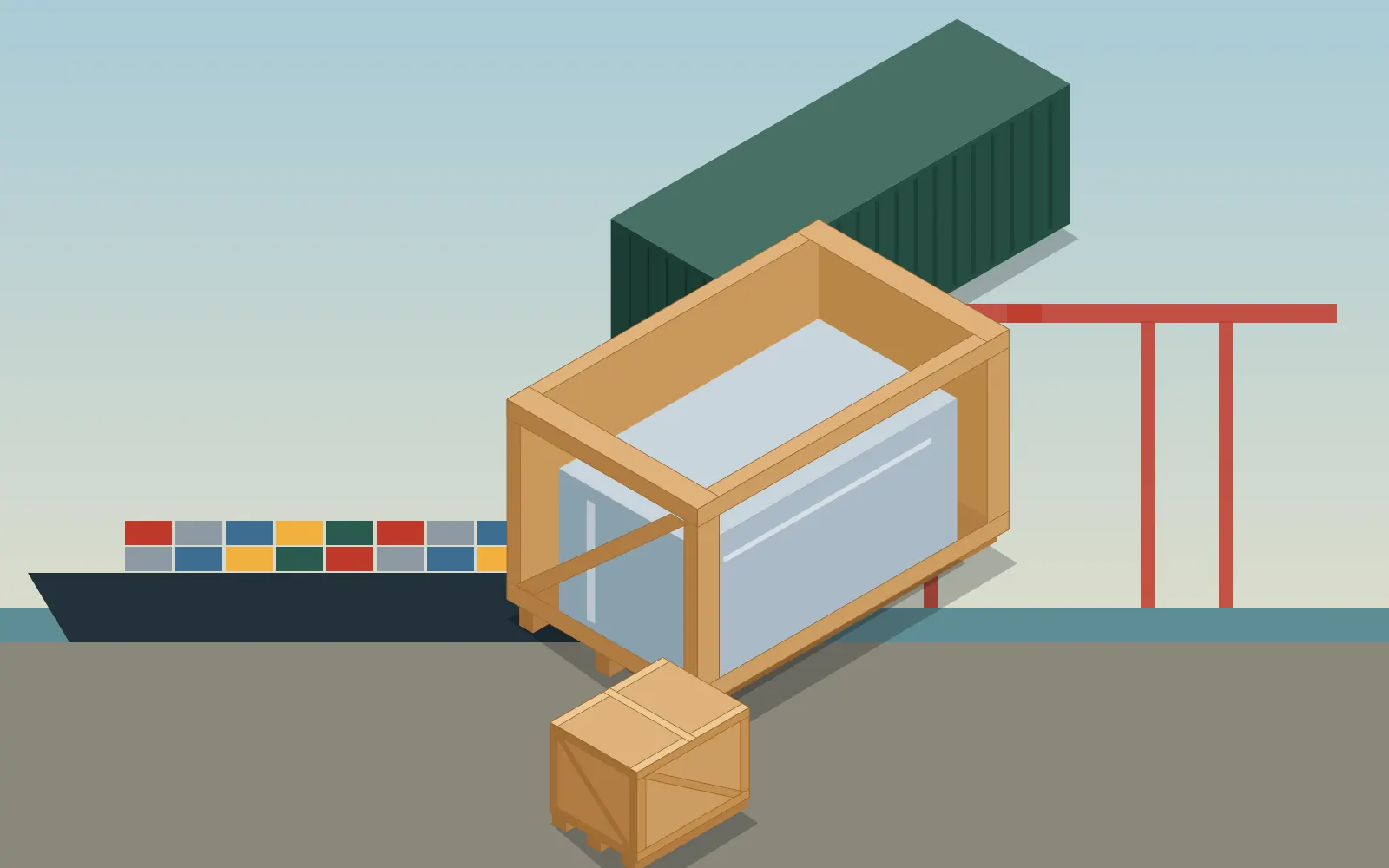
Machine sealed in a heat-sealed foil barrier bag inside an open seaworthy crate
ISPM-15 export-readyISO 9001 certifiedMIL-STD compliantSame-day quotes available

What is seaworthy packaging?

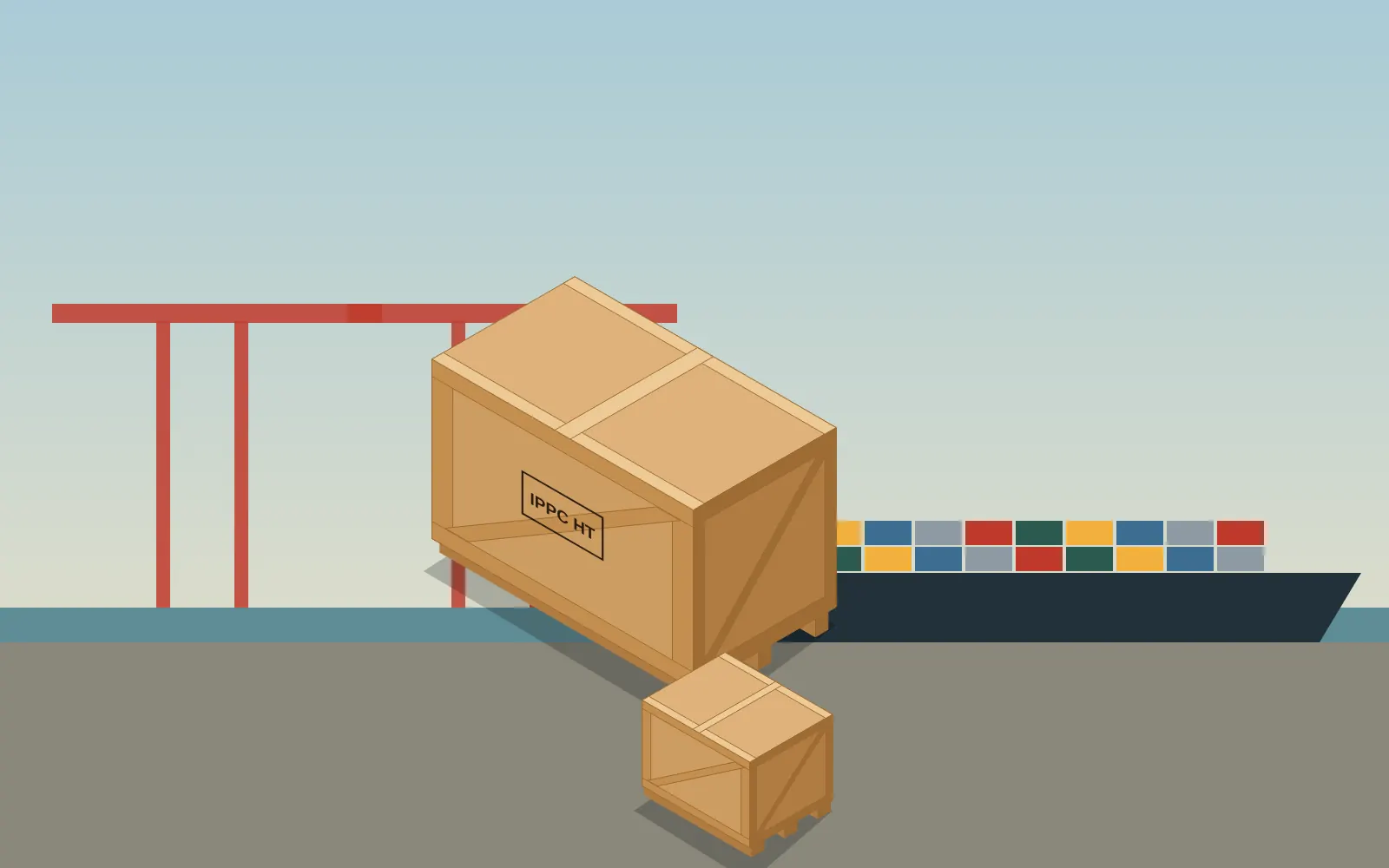
Seaworthy packaging is export packaging designed to survive ocean transport. It combines a strong, enclosed ISPM-15 crate with moisture protection: the item is sealed in a heat-sealed barrier bag with desiccant sized for the transit, bare metal is protected with VCI, and the crate has a sheathed, watershedding roof so condensation and salt air cannot damage the cargo.

Why Moisture Is the Biggest Ocean Risk

A container crossing the ocean goes through daily temperature swings. Warm, humid air inside condenses on the cooler steel roof and drips onto cargo, a problem called container rain. Add salt air and weeks of transit plus port dwell time, and unprotected steel rusts, electronics corrode and wood swells. Seaworthy packaging stops moisture from reaching the item at all.

Our Moisture Protection Methods

Heat-sealed barrier bags

Multi-layer foil or barrier film bags enclose the item and are heat sealed, creating a moisture barrier.

Desiccant

Desiccant units absorb moisture trapped inside the bag. We calculate quantity from bag surface area, transit time and conditions rather than guessing.

VCI

Volatile corrosion inhibitor film, paper or emitters protect bare metal surfaces from rust.

Humidity indicators

Indicator cards show whether the bag stayed dry, which helps with claims and quality records.

Crate design

Sheathed walls, a pitched or tarred roof that sheds water, raised skids and drainage keep external moisture away from the barrier.

Ideal For

Machinery and machine tools, electrical and control equipment, oil and gas equipment, spare parts kits, military cargo and anything stored outdoors or in humid climates.

Part of Complete Export Packaging

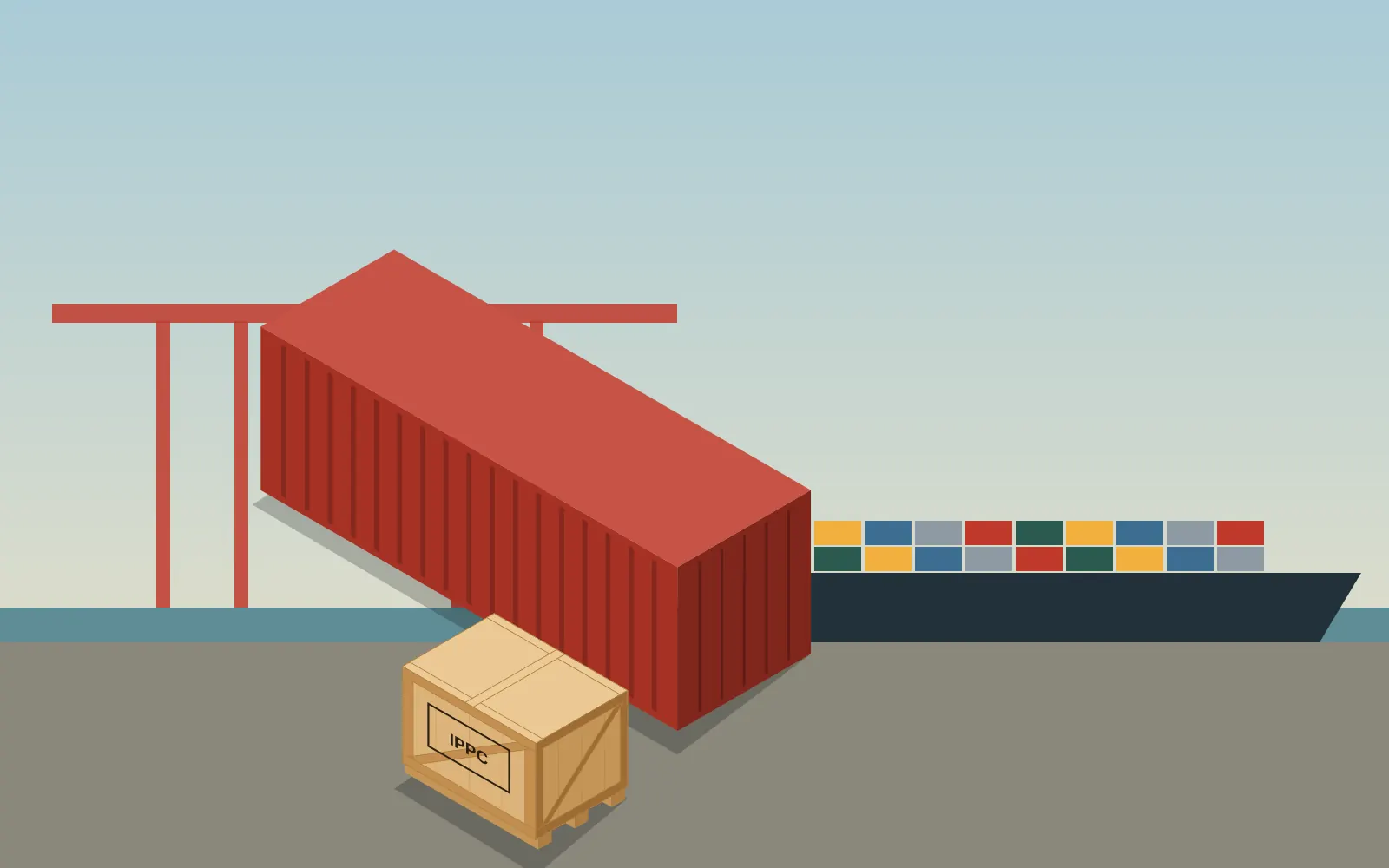
Seaworthy protection is combined with ISPM-15 crating and blocking and bracing inside containers. See international ocean freight for how we support shippers and forwarders.

Shipping containers on a vessel where container rain can damage cargo
Temperature swings inside containers cause condensation, often called container rain.

Frequently Asked Questions

Container rain is condensation that forms on the inside of a shipping container when temperatures drop, then drips onto cargo. It is one of the most common causes of rust and water damage in ocean freight.

It depends on the barrier bag's size and material, the transit and storage time, and the conditions. We calculate the amount for each shipment instead of using a fixed number.

VCI stands for volatile corrosion inhibitor. VCI film, paper or emitters release molecules that form a protective layer on metal surfaces to prevent rust.

Usually not. Shrink wrap keeps out rain and dust but can trap moisture against the item. A heat-sealed barrier bag with desiccant is far more reliable for ocean shipments.

Yes, for limited periods. Sheathed walls, watershedding roofs and barrier bags protect equipment in outdoor storage at ports and job sites.

Yes, on request. Indicator cards show the relative humidity inside the barrier bag when it is opened.

Seaworthy crates for international shipments are built with ISPM-15 lumber or exempt plywood, so they meet both moisture and export requirements.

How a Custom Crating Project Works

  1. 1

    Consultation & assessment

    Send photos, dimensions, weight and the destination. We confirm handling points, fragility and any export or spec requirements.

  2. 2

    Custom design

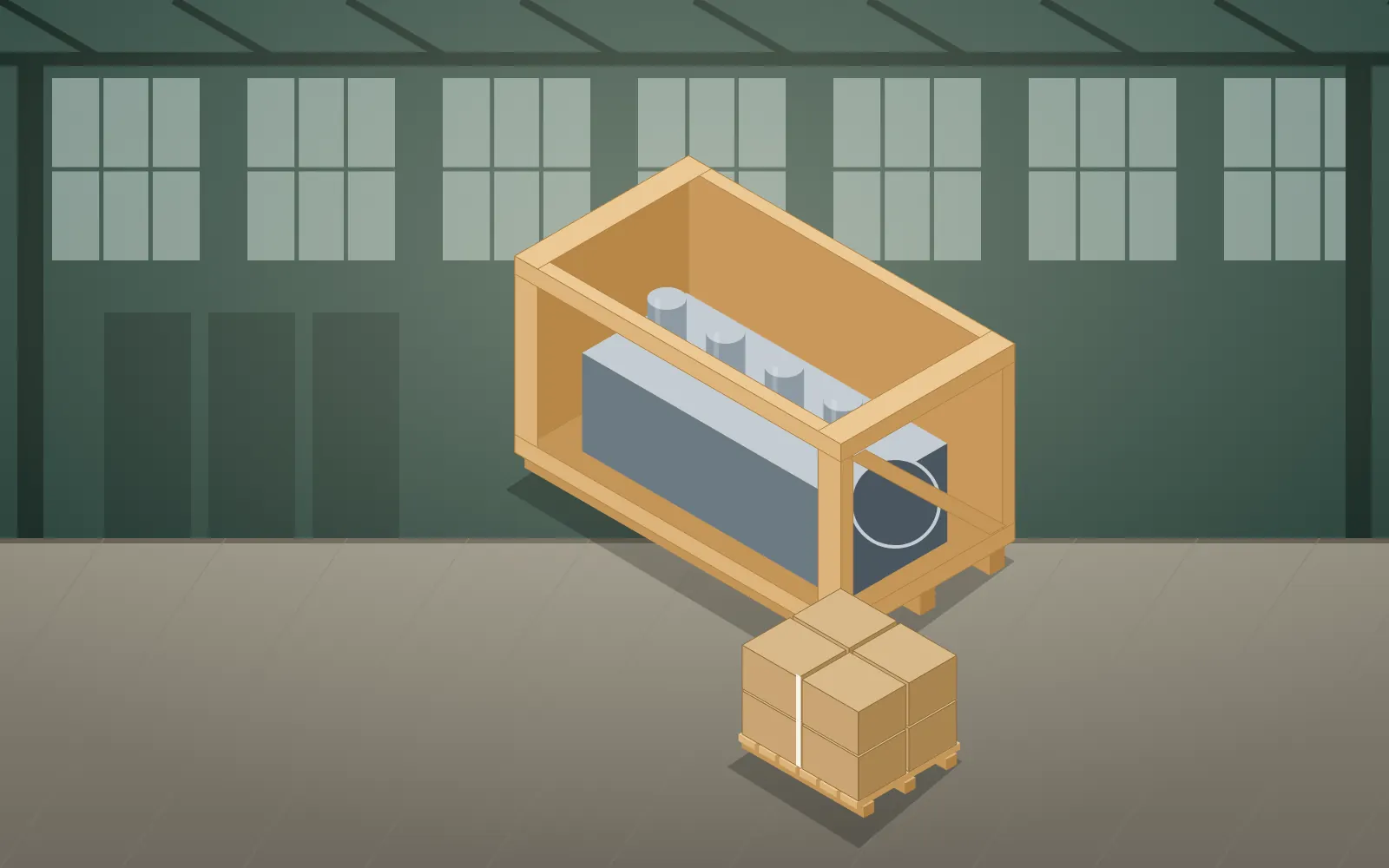
    We size the crate, choose lumber, plywood, foam and barrier materials, and plan blocking, bracing and skids around the load.

  3. 3

    Build & validation

    The crate is cut and assembled in our shop or at your dock, with fit checks, fastener and skid sizing matched to the weight.

  4. 4

    Pack, mark & deliver

    Your item is secured, sealed, marked and documented, then handed to your carrier, delivered locally or stored.