Military packaging meets export compliance
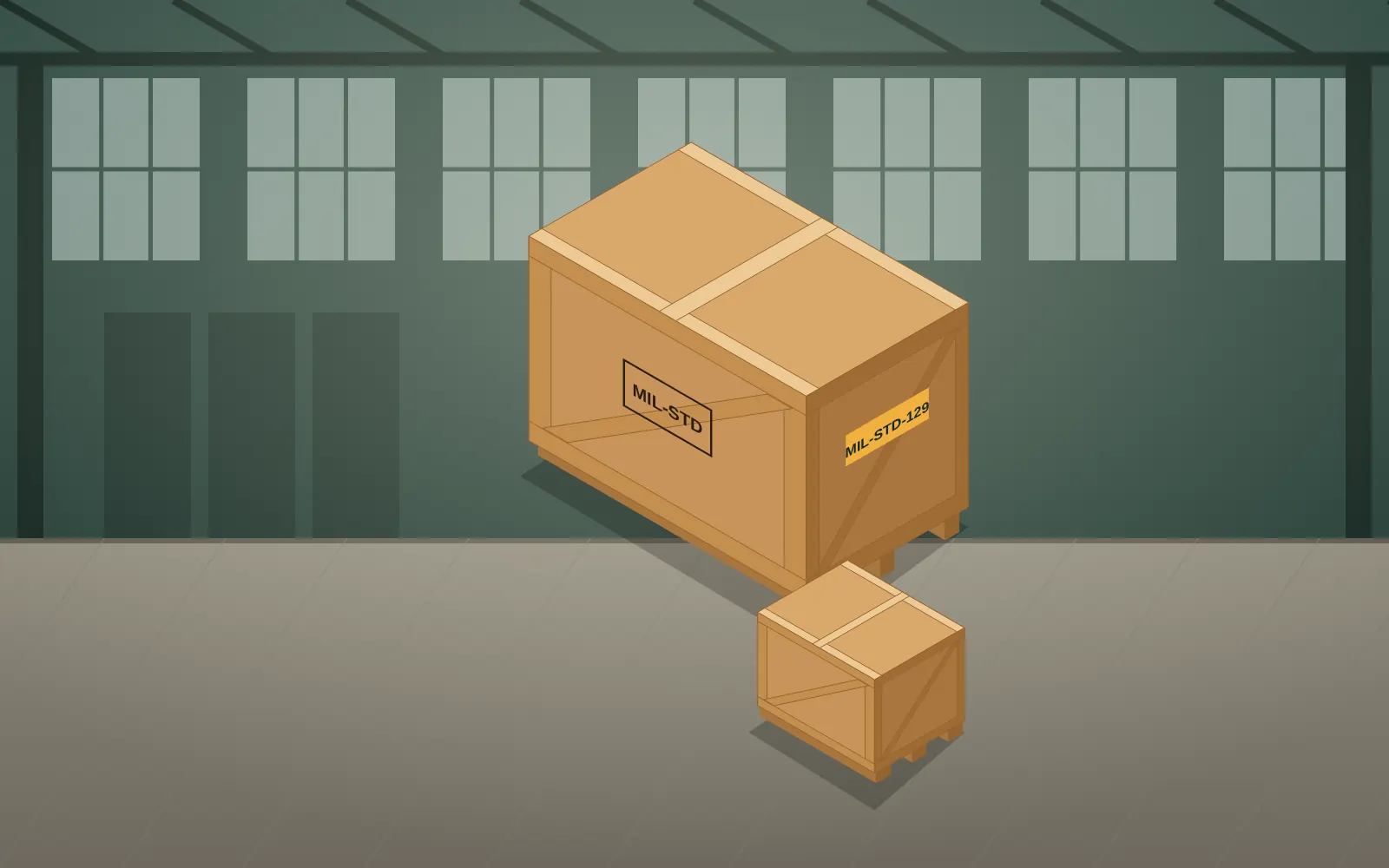
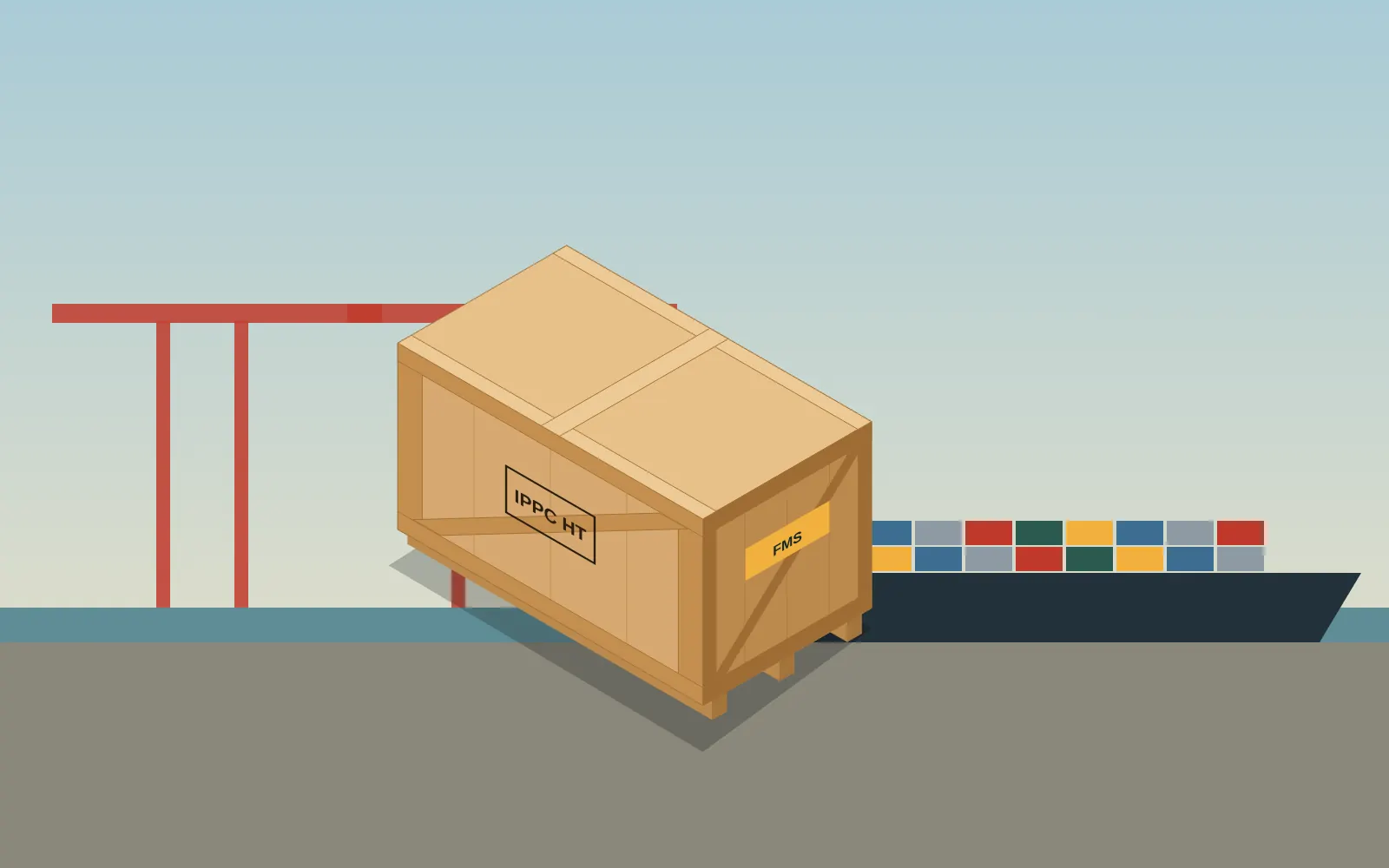
FMS shipments combine MIL-SPEC preservation and marking with ISPM-15 crating and protection for long international transits.
What is Foreign Military Sales packaging?
Foreign Military Sales packaging prepares defense articles sold to allied governments for international shipment. It typically combines the packaging and marking requirements of the U.S. contract, such as MIL-STD-2073 and MIL-STD-129, with ISPM-15 compliant wood packaging, moisture protection for long transits and the shipping marks required for the FMS case.
FMS cargo crosses borders, often by ocean, and may sit in ports or depots before reaching the purchasing country. It must satisfy U.S. contract requirements and international rules at the same time. Packaging that meets one but not the other causes delays at the worst possible moment.
Many FMS items are controlled defense articles. Export authorization, licensing and classification are the responsibility of the exporter of record. We handle controlled items with restricted access and confidentiality, and follow your instructions on markings and documentation. Tell us about any handling restrictions when you request a quote.
Defense contractors and suppliers fulfilling FMS cases for foreign military and allied nations, working alongside U.S. military program offices.
Yes, in almost all cases. Wood packaging crossing international borders must be heat treated and marked under ISPM-15, in addition to meeting contract packaging requirements.
No. Export authorization and licensing are the exporter of record's responsibility. We build packaging to your requirements and protect controlled items while they are in our care.
Yes. We apply markings from the case shipping instructions and MIL-STD-129 requirements you provide.
We seal items in barrier bags with desiccant, use VCI for metal parts and build enclosed, ISPM-15 crates designed for ocean handling.
Yes. We provide dimensions, weights and packing lists and coordinate pickup with your forwarder or designated carrier.
Yes. We restrict access to controlled items, follow C-TPAT security practices and keep project information confidential.
Send photos, dimensions, weight and the destination. We confirm handling points, fragility and any export or spec requirements.
We size the crate, choose lumber, plywood, foam and barrier materials, and plan blocking, bracing and skids around the load.
The crate is cut and assembled in our shop or at your dock, with fit checks, fastener and skid sizing matched to the weight.
Your item is secured, sealed, marked and documented, then handed to your carrier, delivered locally or stored.

MIL-STD-2073 and MIL-STD-129 compliant packaging for defense programs.
Learn more →

Export packaging for defense articles shipping to foreign militaries and allied nations: MIL-SPEC preservation, ISPM-15 crates, seaworthy protection and case markings.
Learn more →
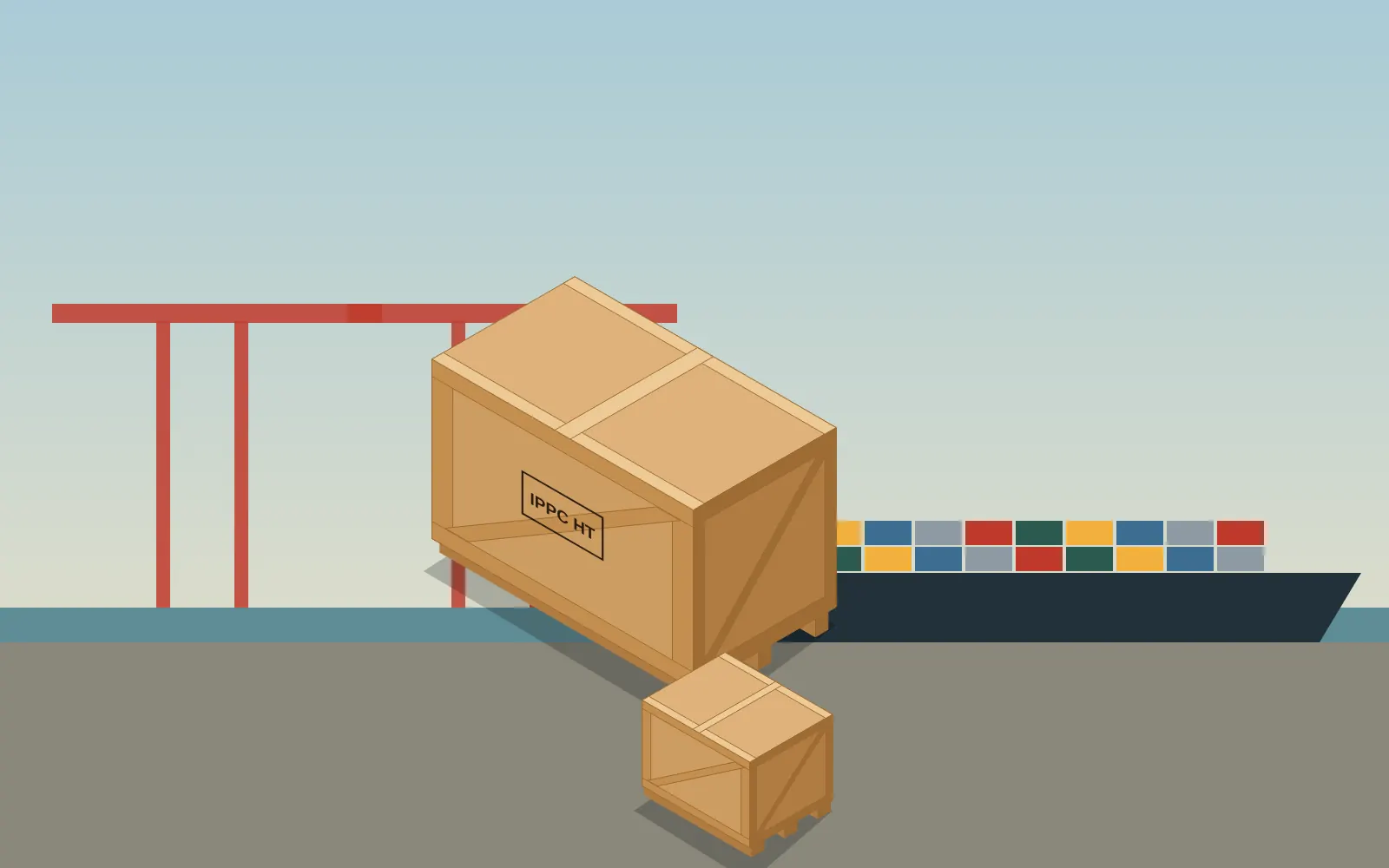
Heat-treated, stamped wood packaging that clears customs worldwide.
Learn more →
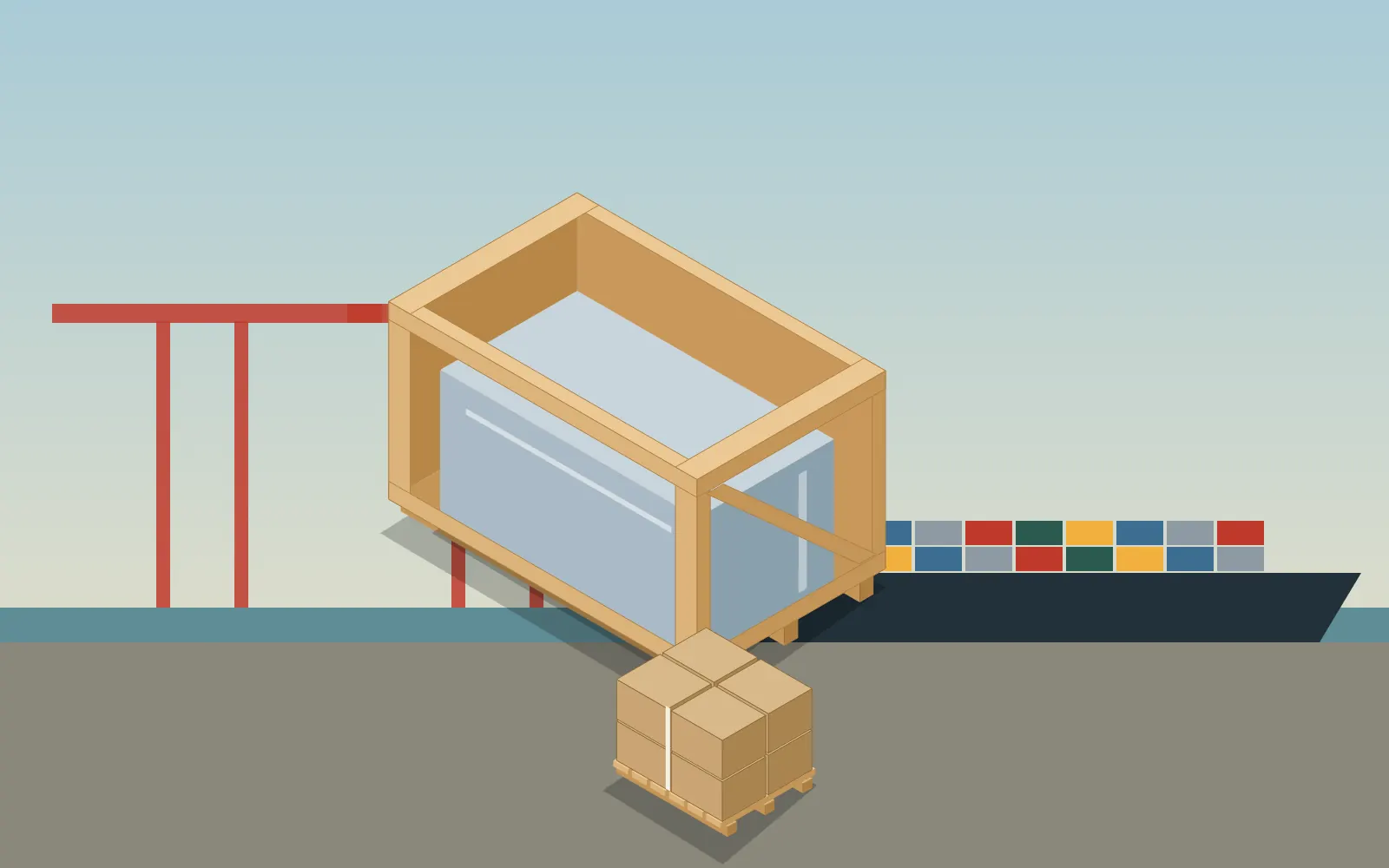
Barrier bags, VCI and desiccant against humidity, salt air and condensation.
Learn more →
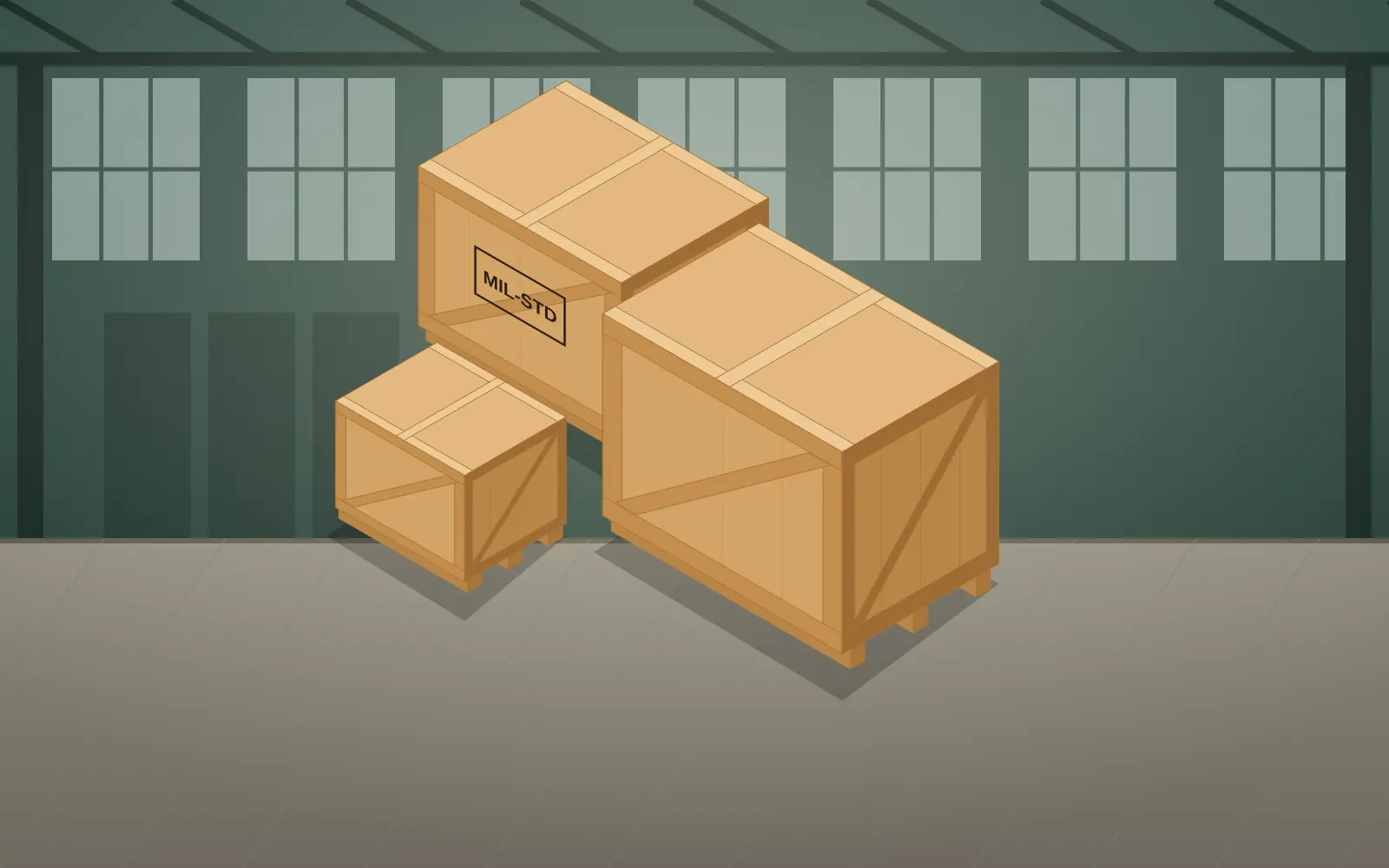
MIL-SPEC crating for the U.S. military and Department of Defense: MIL-STD-2073 preservation, MIL-STD-129 marking and ISPM-15 crates from Dallas–Fort Worth.
Learn more →
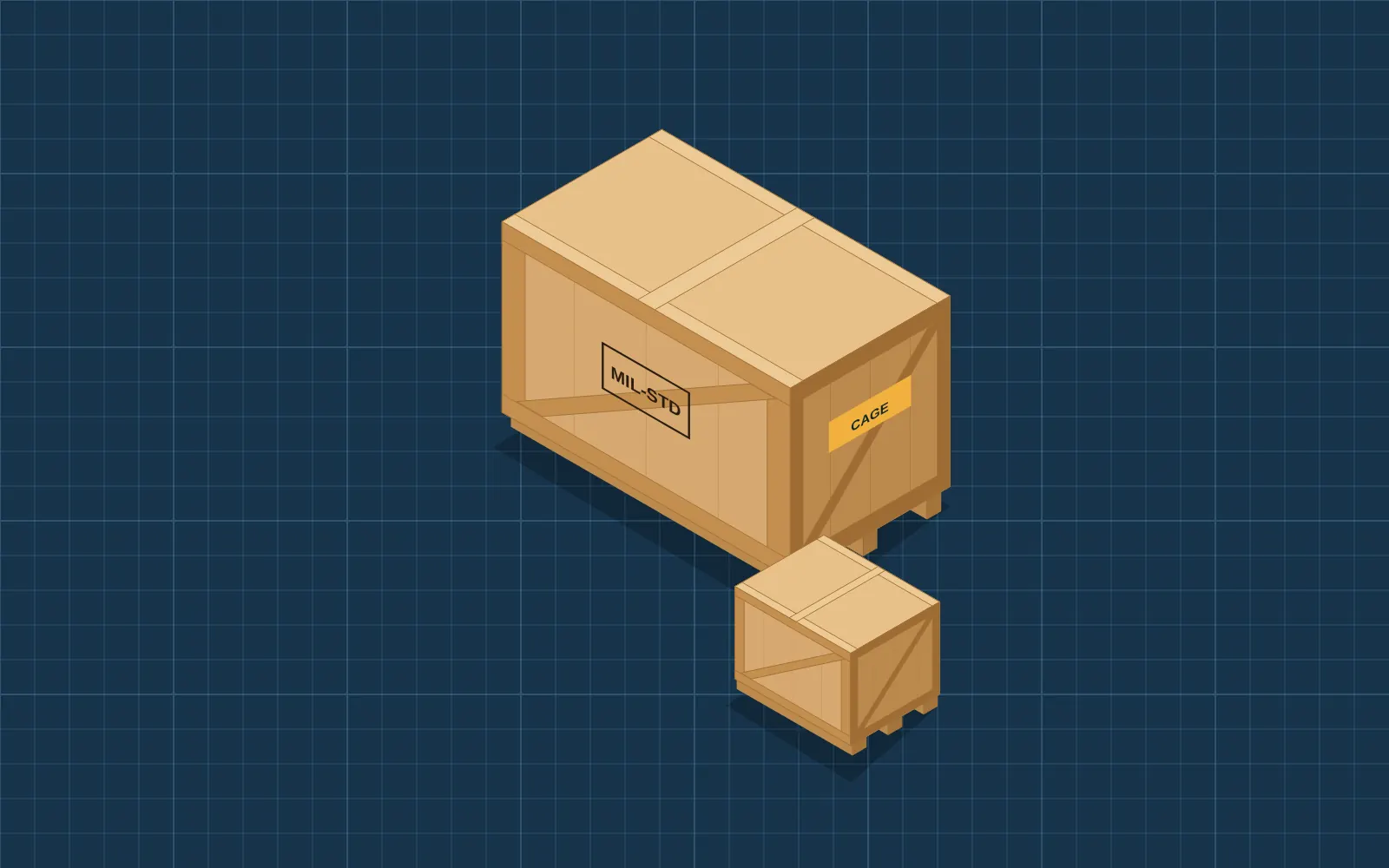
Packaging and crating for defense contractors and subcontractors in DFW: MIL-SPEC preservation and marking, secure handling, export crating and recurring programs.
Learn more →Send dimensions, weight, photos and destination. We'll recommend the right crate and send a quote.