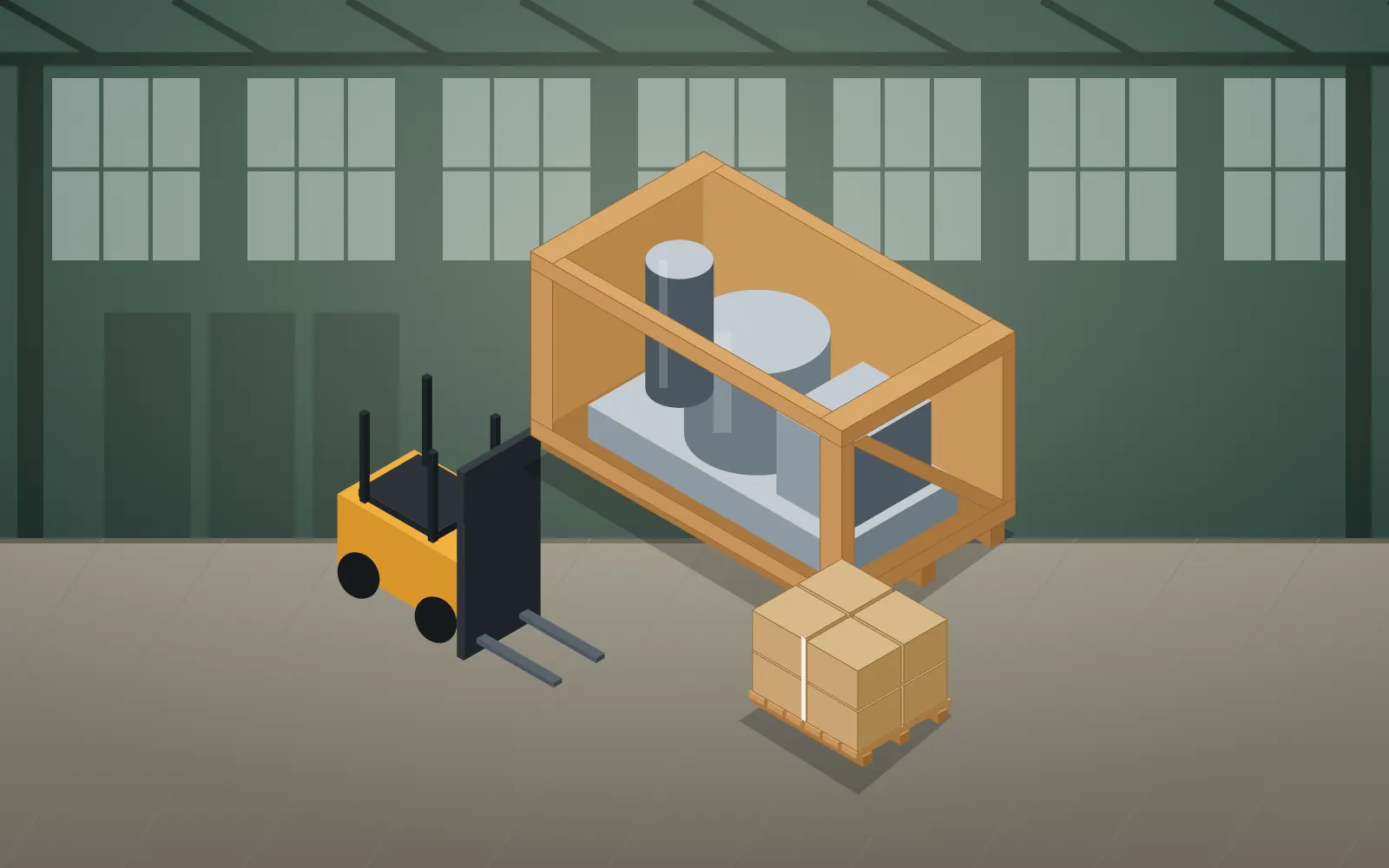
Engineered for payloads over 20,000 lb
Reinforced skids, steel elements and rigging-ready lift points for the heaviest equipment that leaves North Texas.
How do you crate equipment that weighs over 20,000 lb?
Equipment over 20,000 lb is crated on an engineered base with multiple heavy runners, often laminated timbers or steel members, sized to carry the load between lift points. The equipment is bolted to the base, the crate is designed around the crane or forklift lifting plan, and the center of gravity, sling points and weight are clearly marked.
Above roughly 20,000 lb, ordinary crate construction runs out of margin. Skid runners must span between lift points without sagging, fasteners must resist shear under braking and crane loads, and the crate must survive being dragged, jacked or lifted by equipment that does not care how carefully it was built. Heavy-duty crates are engineered for those forces.
Generators and gensets, transformers, compressors, turbines, large presses, mining components, process skids, heat exchangers, offshore modules and large machine tools.
We need weight, dimensions, center of gravity if known, lifting points, drawings and the transport mode.
We coordinate with your rigger, carrier or forwarder on how the crate will be lifted at origin, transfer points and destination.
Very heavy crates are usually built on-site or at the rigger's yard so the equipment is set directly onto the base.
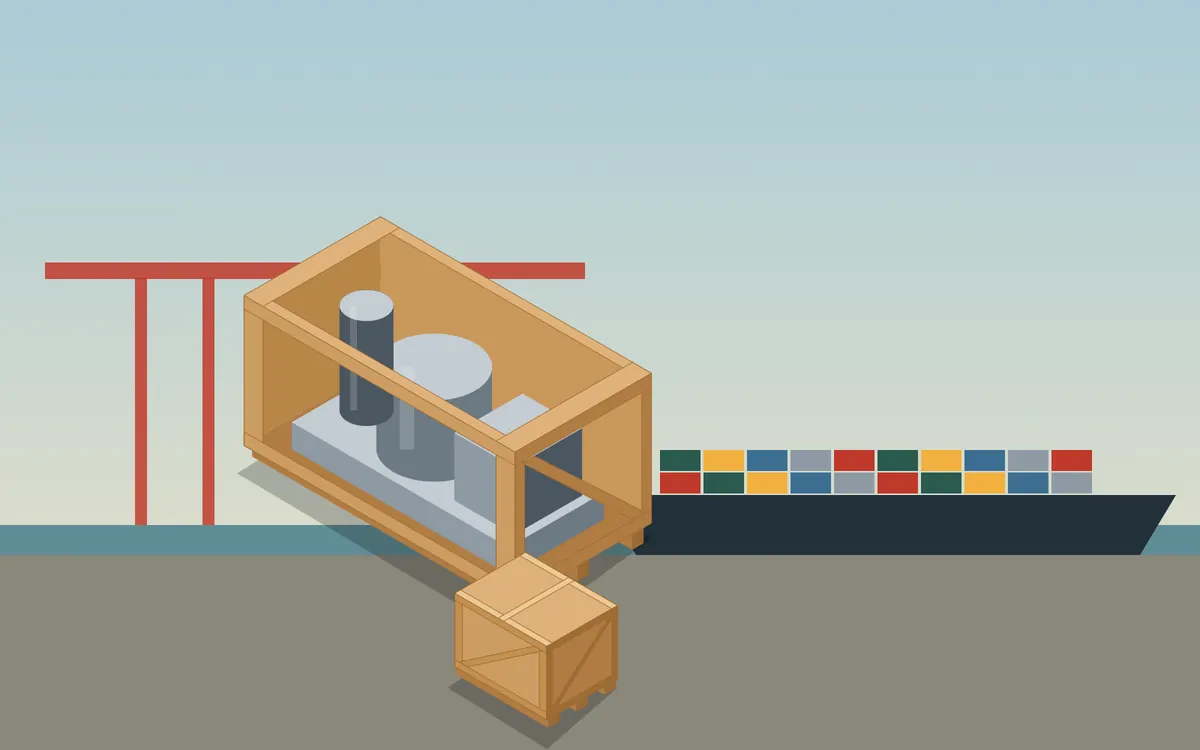
Heavy-duty crates shipping overseas often travel as breakbulk or on flat racks. We build with ISPM-15 lumber, sheathed roofs and moisture protection, and supply weights and dimensions for stowage planning.
There is no fixed limit. We engineer crates and bases for equipment over 20,000 lb, scaling runners, steel elements and fasteners to the load, and coordinate with riggers for very heavy lifts.
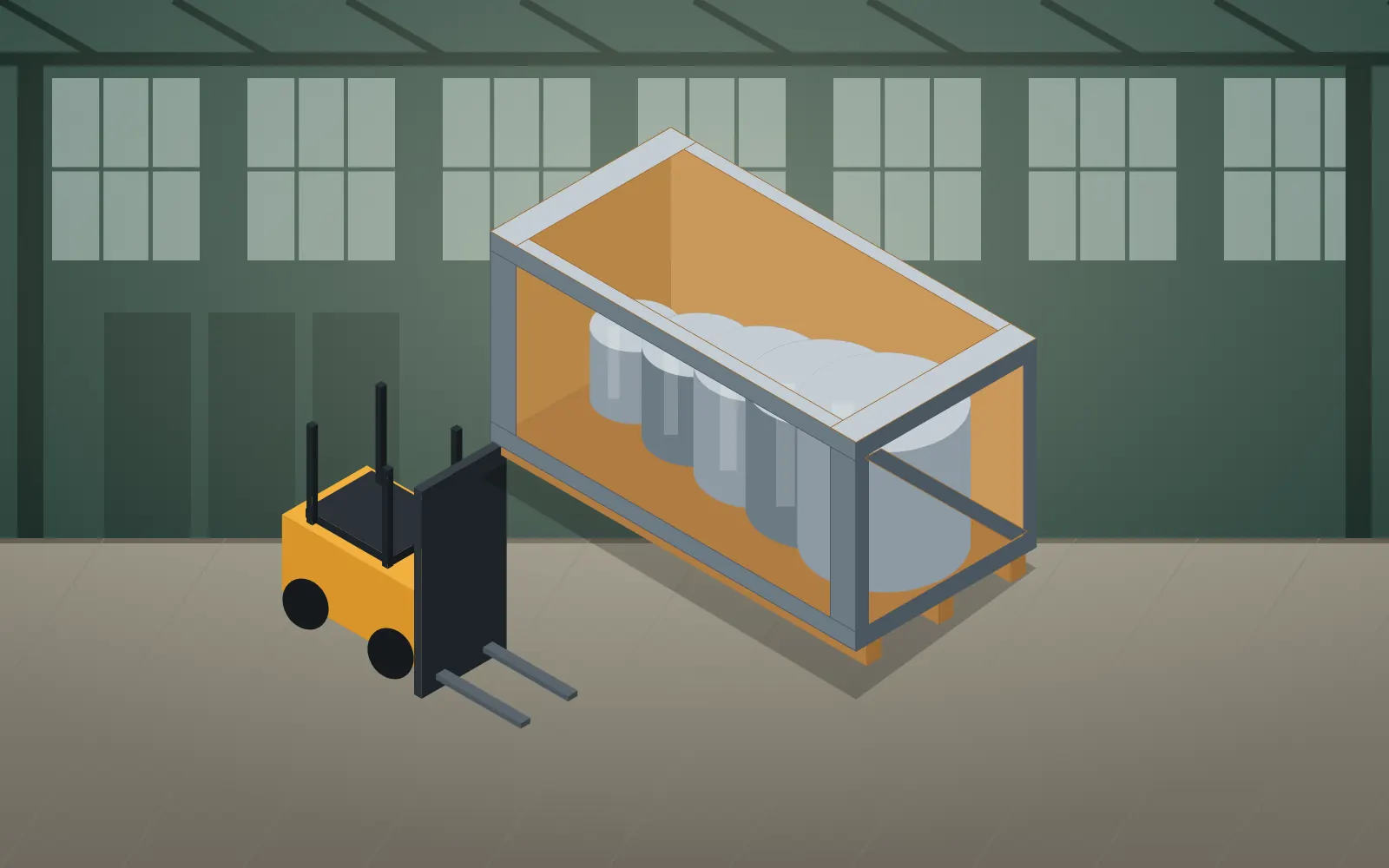
When needed. Steel channels, plates or full steel frames are used where wood members would become too large or where the crate will be reused.
A licensed rigger or your maintenance team performs heavy lifts. We build the base to match their lifting plan and are on-site to complete the crate.
Yes. We design lift points, spreader-bar locations or lifting lugs into the crate and mark sling positions.
With gross weight, center of gravity, sling and fork locations, orientation and any handling warnings, plus customer or export marks.
If dimensions and weight allow. Many heavy items ship on flat racks or as breakbulk instead, and we size crates for the planned stowage.
Send photos, dimensions, weight and the destination. We confirm handling points, fragility and any export or spec requirements.
We size the crate, choose lumber, plywood, foam and barrier materials, and plan blocking, bracing and skids around the load.
The crate is cut and assembled in our shop or at your dock, with fit checks, fastener and skid sizing matched to the weight.
Your item is secured, sealed, marked and documented, then handed to your carrier, delivered locally or stored.

Reinforced crates and skids for industrial equipment of all sizes.
Learn more →
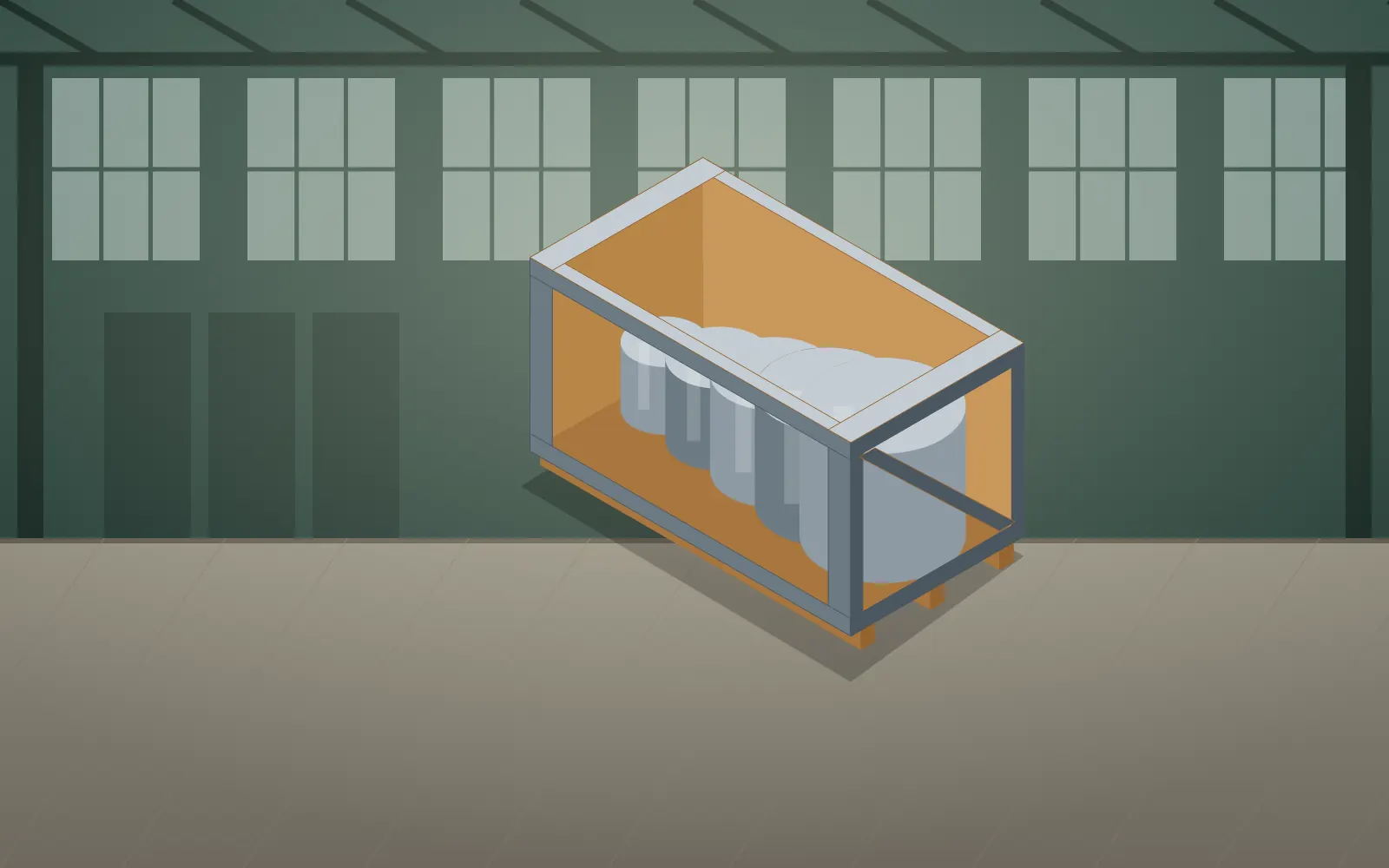
Steel strength for very heavy, oversized or reusable loads.
Learn more →
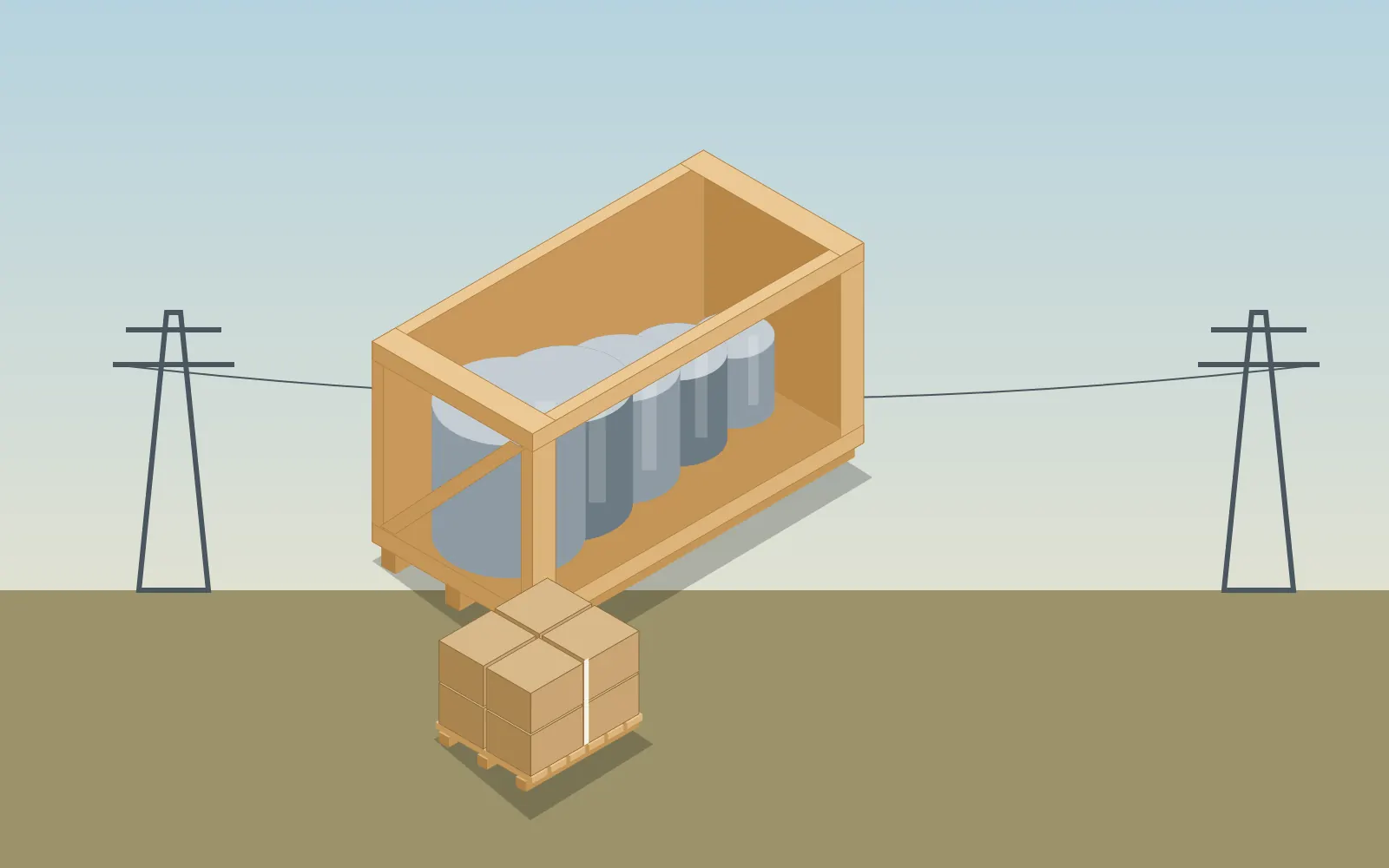
Crating for turbines, generators, transformers and switchgear.
Learn more →
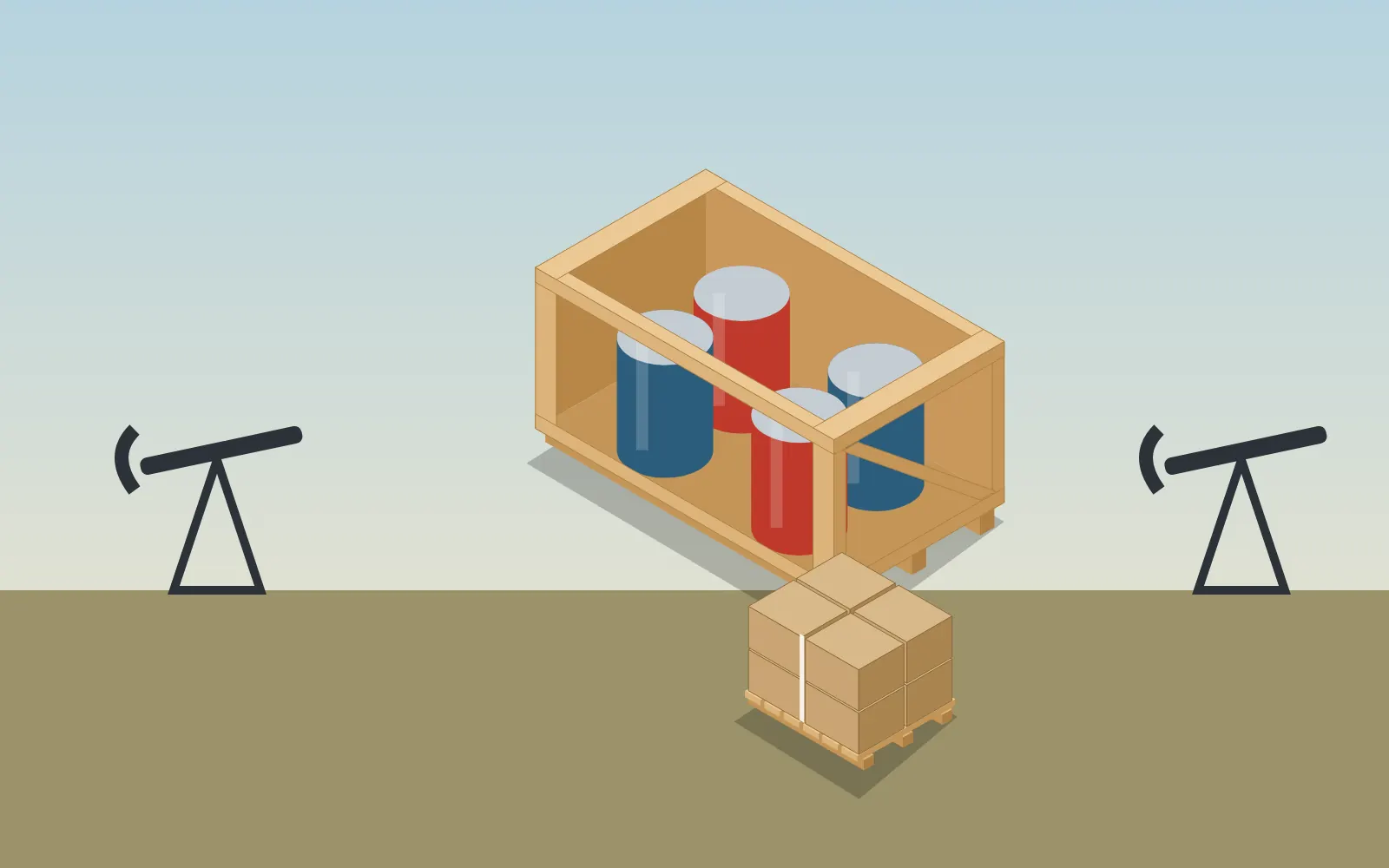
Corrosion-resistant, seaworthy crating for oilfield and offshore equipment.
Learn more →
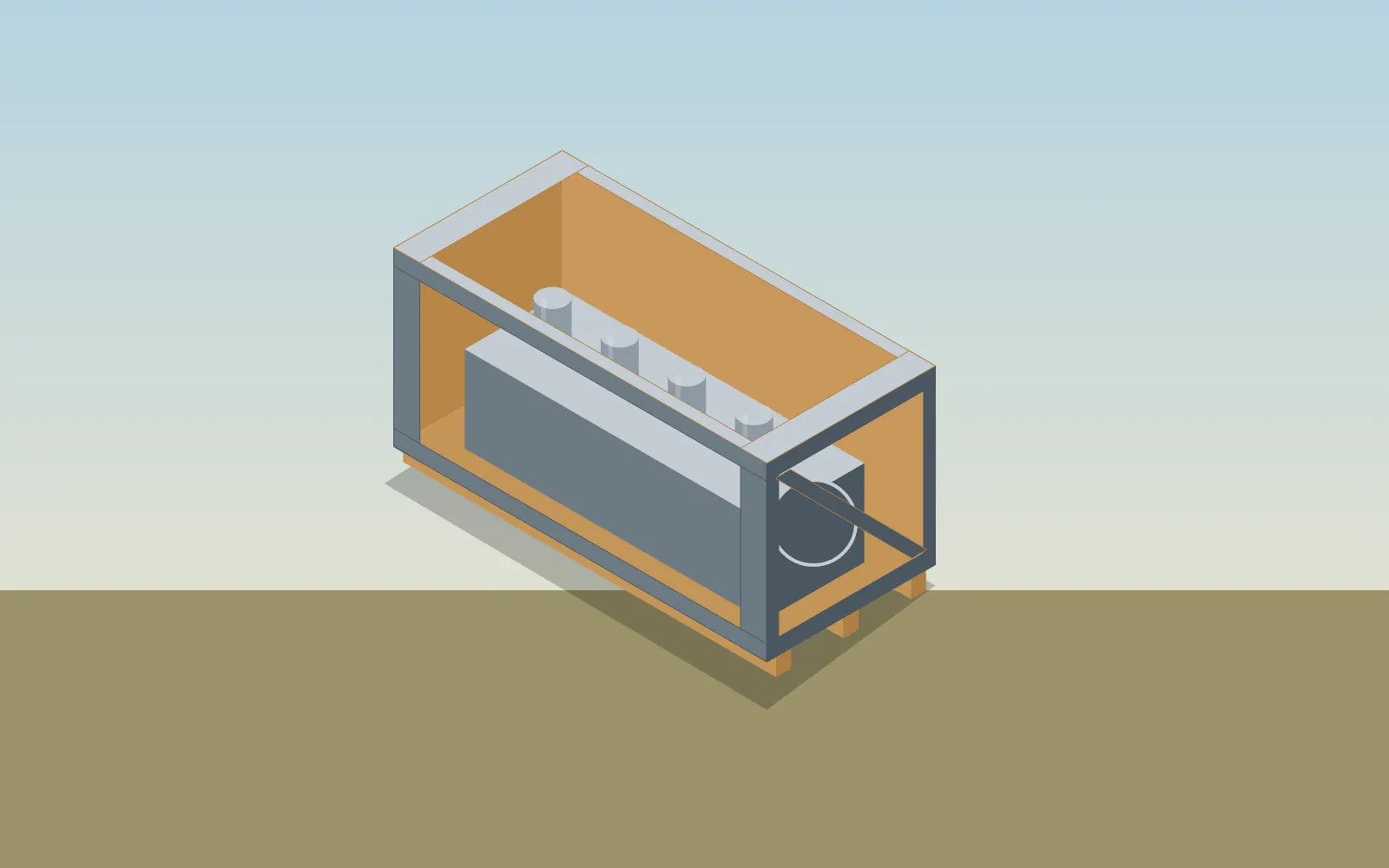
Heavy-duty crating for mining and excavation equipment and components: drill parts, pumps, motors and attachments, for domestic and export shipments from Texas.
Learn more →
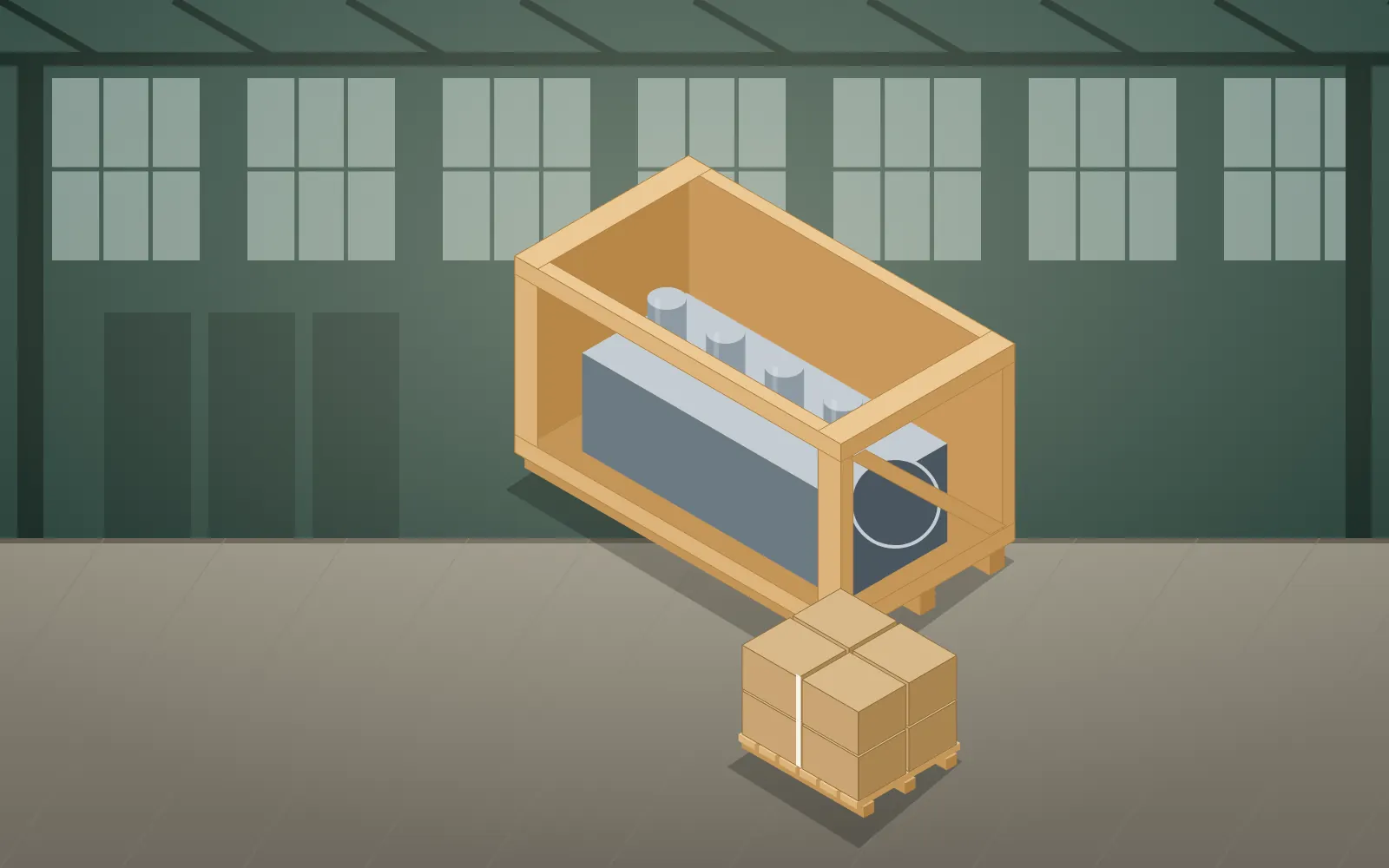
Load securement that locks equipment in place inside crates, trailers and containers.
Learn more →Send dimensions, weight, photos and destination. We'll recommend the right crate and send a quote.