Pricing guide
Every custom crate is priced from the item it protects and the trip it has to survive. Here are the factors that move the price and the ways to keep it down.
How much does a custom crate cost?
Custom crate cost depends mainly on the crate's size, the item's weight and fragility, the materials and cushioning required, whether it needs ISPM-15 export treatment or moisture protection, and how quickly it is needed. Small crates for light items cost far less than heavy-duty export crates for machinery. The fastest way to an exact price is to send dimensions, weight and destination for a same-day quote.
| Factor | How it affects price |
|---|---|
| Size | Larger crates use more lumber, plywood and fasteners and take longer to build. |
| Weight | Heavier items need larger skids, heavier lumber and more bracing. |
| Fragility | Sensitive items need engineered foam or suspension, which adds material and design time. |
| Destination | International shipments need ISPM-15 heat-treated wood; ocean freight needs moisture barriers. |
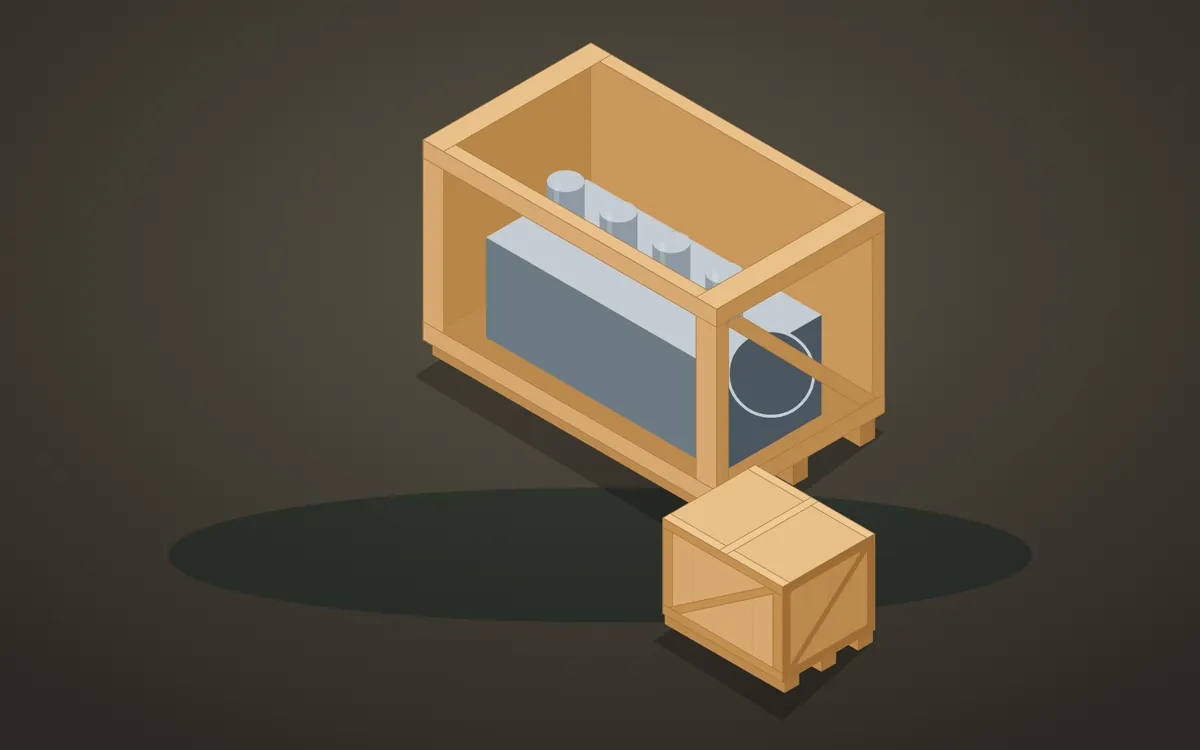
| Crate style | An open frame costs less than a fully sheathed crate; steel frames cost more but can be reused. |
| Labor and location | On-site crating at your facility adds travel and setup time. |
| Turnaround | Rush builds may require overtime or schedule changes. |
| Quantity | Repeat orders of the same design cost less per unit. |
A crate that is too light or too large can cost more overall. Damage claims, re-shipping, rejected export shipments and oversized freight charges usually exceed the savings on the crate itself.
Send your item's dimensions, weight, photos and destination through our quote form. Same-day quotes are available for most standard crating projects.
Every crate is built for a specific item and shipment, so size, weight, materials, cushioning and destination change the price. A quick quote based on your details is the most accurate answer.
A simple skid or open frame crate is usually the least expensive, but it only suits rugged items that do not need full enclosure.
Usually somewhat more, because it uses ISPM-15 heat-treated wood and often adds vapor barrier, desiccant and heavier construction for ocean freight.
Sometimes. Combining items can save material, but it may create a heavier or oversized crate. We will recommend the most economical option.
For items that ship repeatedly, such as trade show displays or rental equipment, reusable crates usually cost less over their life than building new crates each time.
On-site work adds travel and setup time, but it can save the cost and risk of moving the item to our shop. We will compare both options.
Same-day quotes are available for most standard crating projects when you send dimensions, weight, photos and destination.
Send photos, dimensions, weight and the destination. We confirm handling points, fragility and any export or spec requirements.
We size the crate, choose lumber, plywood, foam and barrier materials, and plan blocking, bracing and skids around the load.
The crate is cut and assembled in our shop or at your dock, with fit checks, fastener and skid sizing matched to the weight.
Your item is secured, sealed, marked and documented, then handed to your carrier, delivered locally or stored.

Built-to-spec crates for products, equipment and freight, sized to the inch.
Learn more →
Design once, then receive identical crates on your delivery schedule.
Learn more →
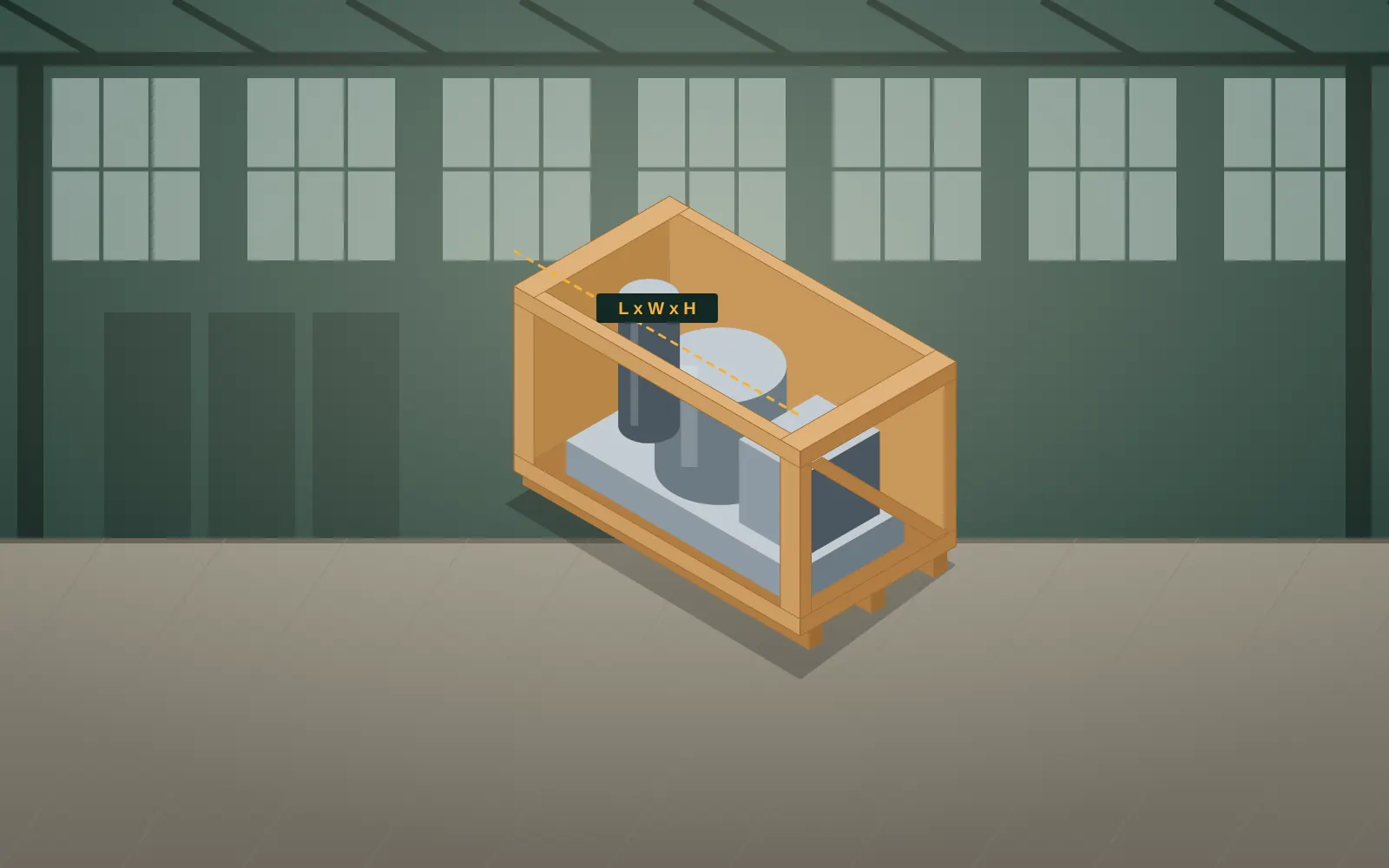
The measurements, photos and details we need for an accurate crate quote.
Learn more →
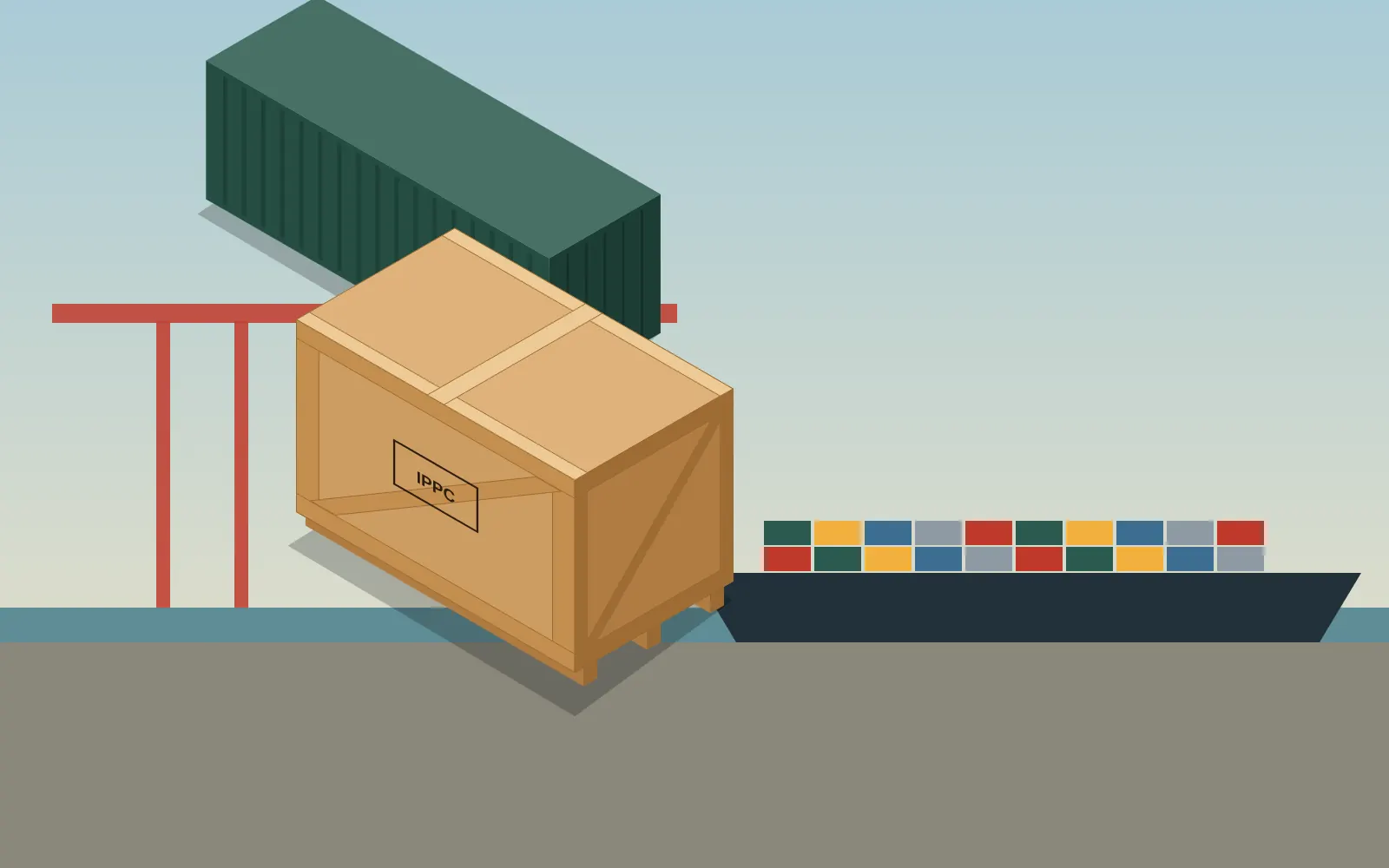
What ISPM-15 requires, what the stamp means and how to avoid rejected shipments.
Learn more →
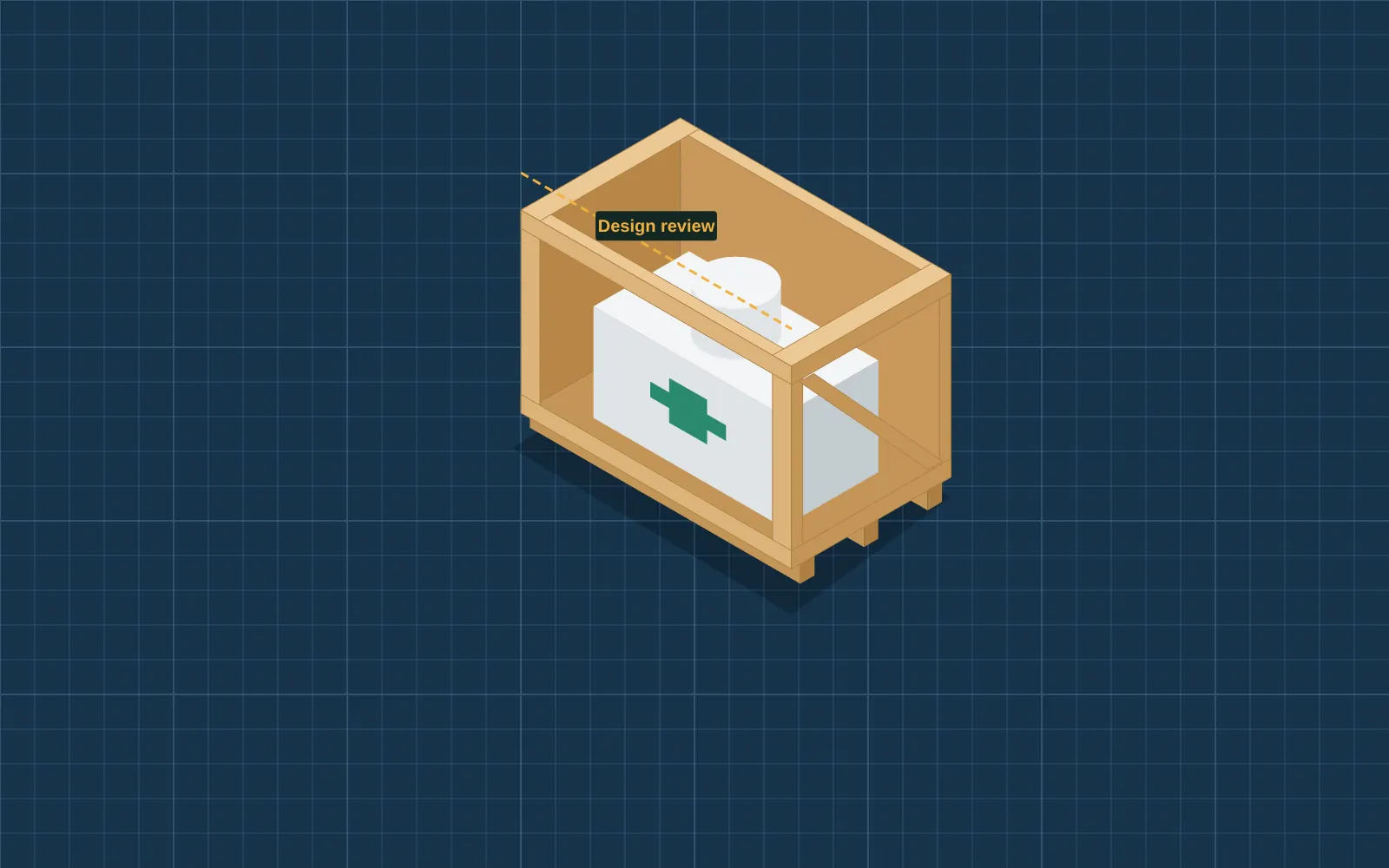
Assessment and design that match protection to the product and route.
Learn more →
Request a custom crating quote in Dallas–Fort Worth. Send dimensions, weight, photos and destination online, or call 214-233-6619. 8111 LBJ Freeway, Dallas, TX.
Learn more →Send dimensions, weight, photos and destination. We'll recommend the right crate and send a quote.