Serving Dallas–Fort Worth & East Texas214-233-6619

Find the savings hidden in your packaging

Packaging Supply Chain Analysis

We review how packaging is bought, stored, packed, shipped and returned, and show you where cost, waste and damage can come out.

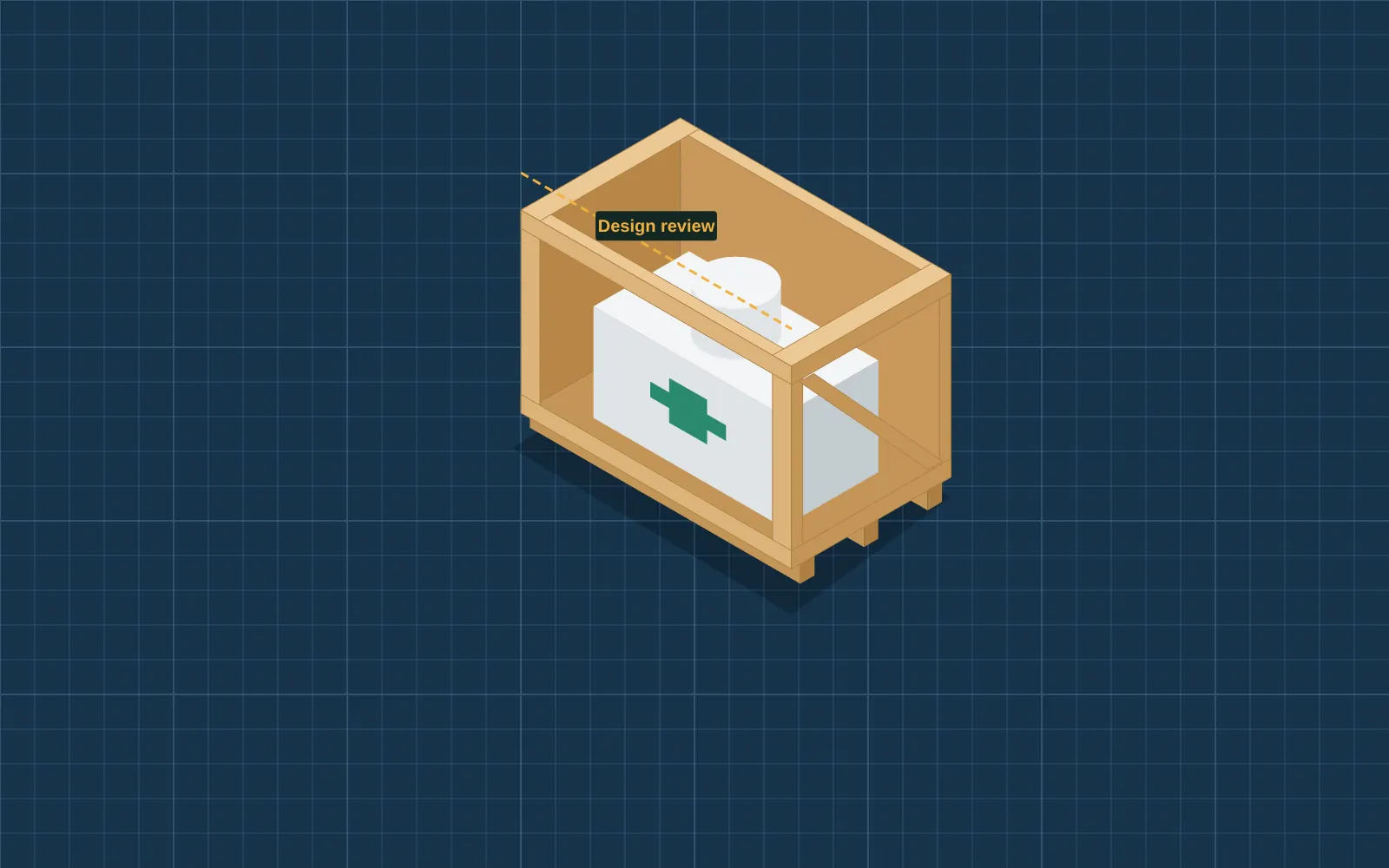
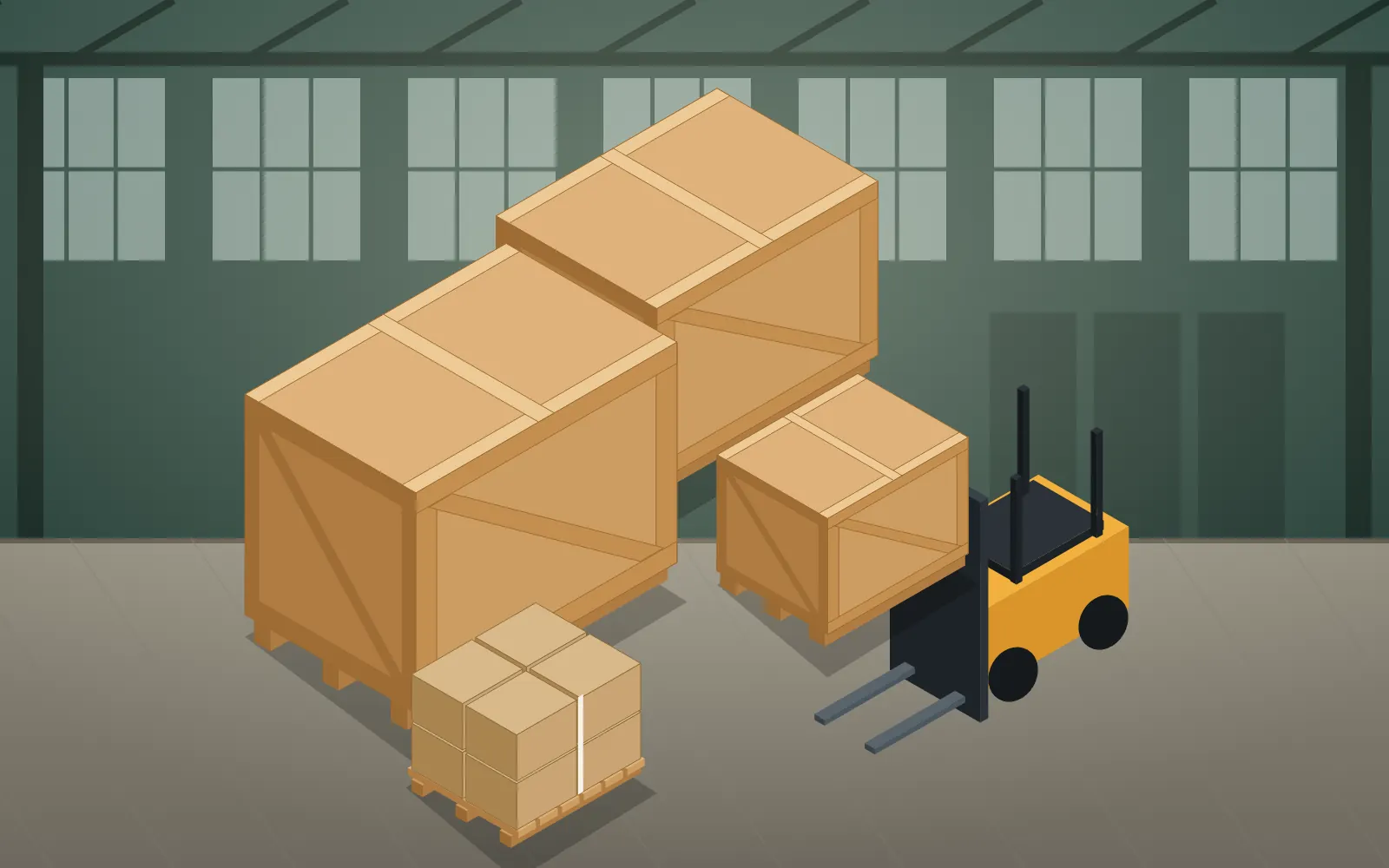
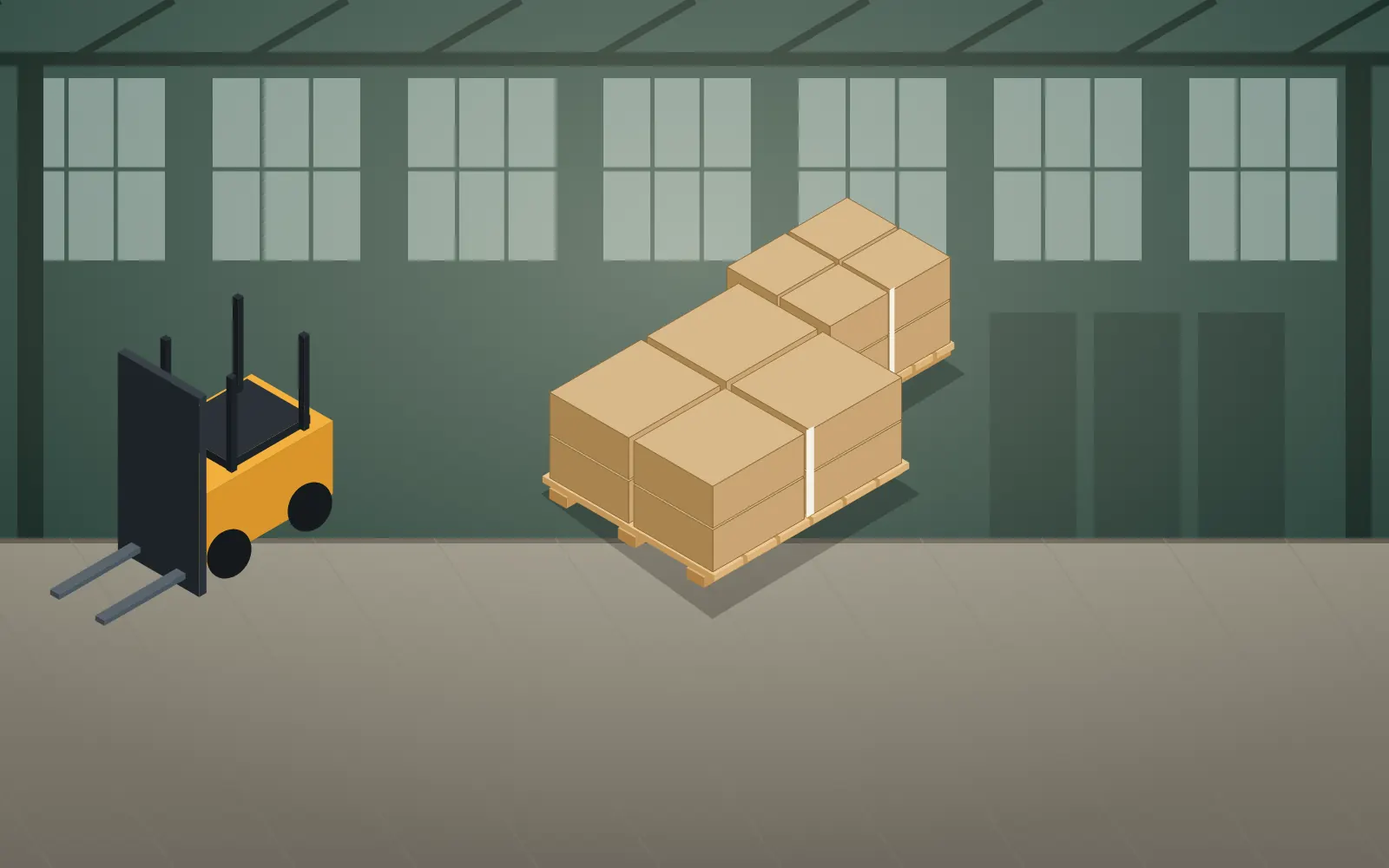
Pallets and crates moving through a warehouse with analysis notes for packaging efficiency
ISPM-15 export-readyISO 9001 certifiedMIL-STD compliantSame-day quotes available

What is packaging supply chain analysis?

Packaging supply chain analysis is a review of every step that packaging touches: specification, purchasing, inventory, packing labor, freight cube and weight, damage and returns. The goal is to find changes, such as standardizing crate sizes, right-sizing designs or changing inventory practices, that lower total cost and damage, not just the price of the crate.

What We Look At

  • Specifications: how many different crates and packages you use and whether they can be standardized.
  • Material cost: lumber, plywood, foam and corrugated usage per shipment.
  • Inventory: how much packaging you stock, where, and how often you run out.
  • Labor: time spent building, packing and labeling.
  • Freight: dimensional weight, cube utilization and stackability.
  • Damage and claims: where and why products are damaged.
  • End of life: reuse, returns, recycling and disposal costs.

Typical Findings

  • Several near-identical crate sizes that can be consolidated into fewer standards.
  • Oversized crates driving freight cost through dimensional weight.
  • Packaging bought in emergencies at premium prices.
  • Damage concentrated on one product, route or handling step.
  • Reuse opportunities for crates that are currently scrapped.

Deliverables

A written report with current-state data, recommendations ranked by savings and effort, and an implementation plan. Many recommendations are put into practice through packaging engineering, build-to-order programs and vendor managed inventory, with progress tracked in business reviews.

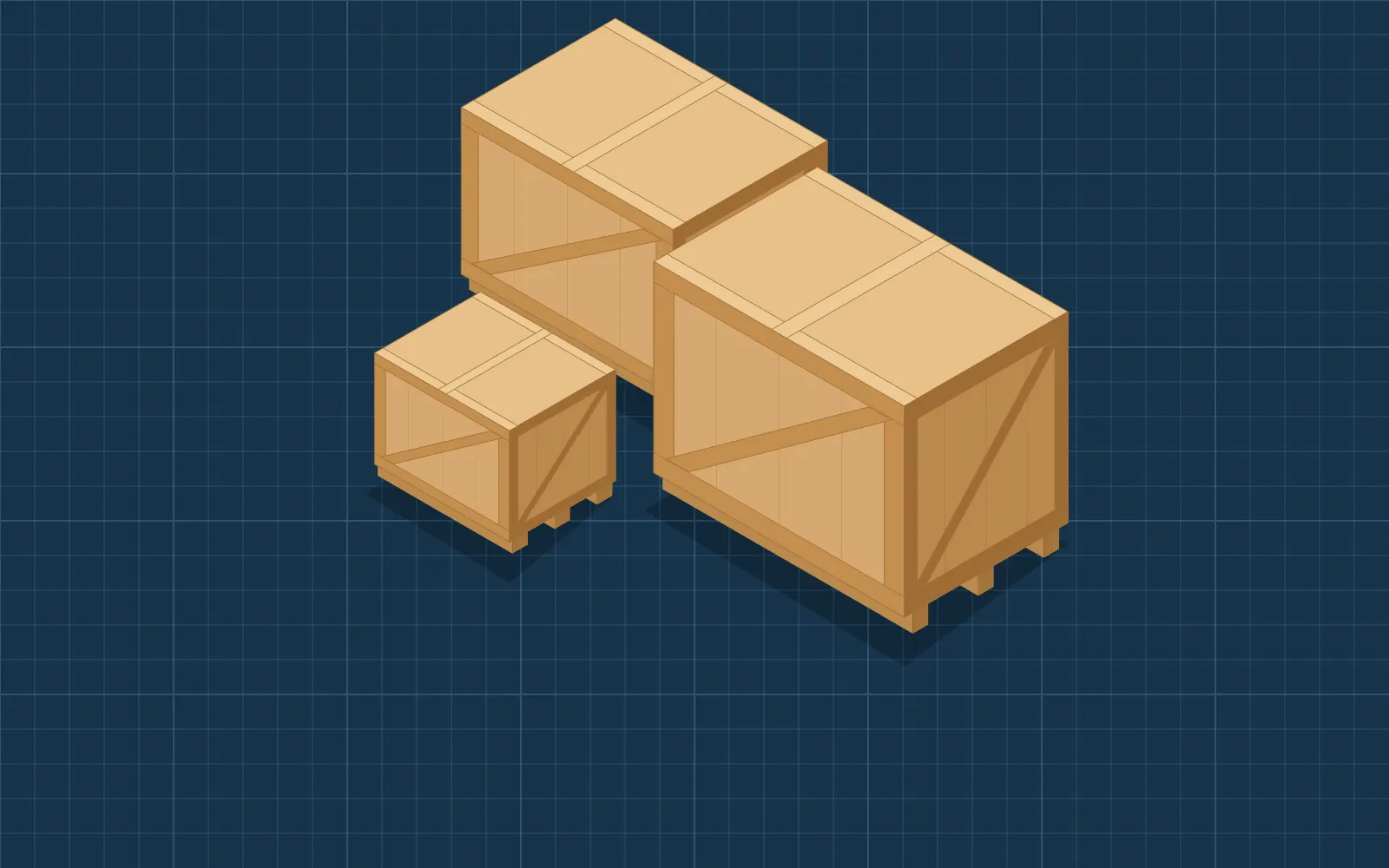
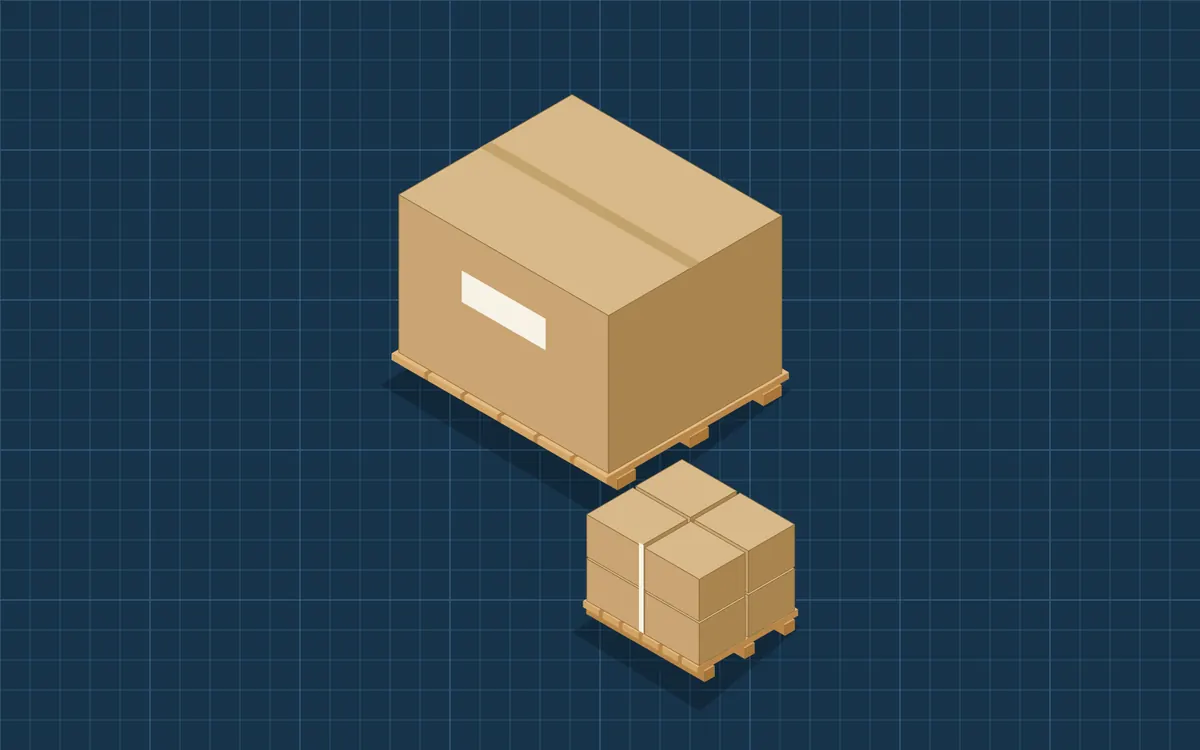
Packaging analysis comparing crate sizes and freight cube
Right-sizing packages often reduces freight cost as much as material cost.

Frequently Asked Questions

Companies that spend significantly on packaging or ship regularly, especially those with multiple packaging types, damage issues or high freight costs.

Packaging purchase history, a list of packages used, shipment volumes and destinations, freight invoices or summaries, and damage records if available.

Most analyses take a few weeks, depending on data availability and the number of products and sites.

No. Recommendations are yours to implement as you choose, though we are happy to help.

Yes. Right-sizing, standardizing and reuse reduce material use and waste, supporting sustainability targets.

Send the item's dimensions, weight, photos, quantity and destination through our quote form or call 214-233-6619. Same-day quotes are available for most standard projects.

How a Custom Crating Project Works

  1. 1

    Consultation & assessment

    Send photos, dimensions, weight and the destination. We confirm handling points, fragility and any export or spec requirements.

  2. 2

    Custom design

    We size the crate, choose lumber, plywood, foam and barrier materials, and plan blocking, bracing and skids around the load.

  3. 3

    Build & validation

    The crate is cut and assembled in our shop or at your dock, with fit checks, fastener and skid sizing matched to the weight.

  4. 4

    Pack, mark & deliver

    Your item is secured, sealed, marked and documented, then handed to your carrier, delivered locally or stored.