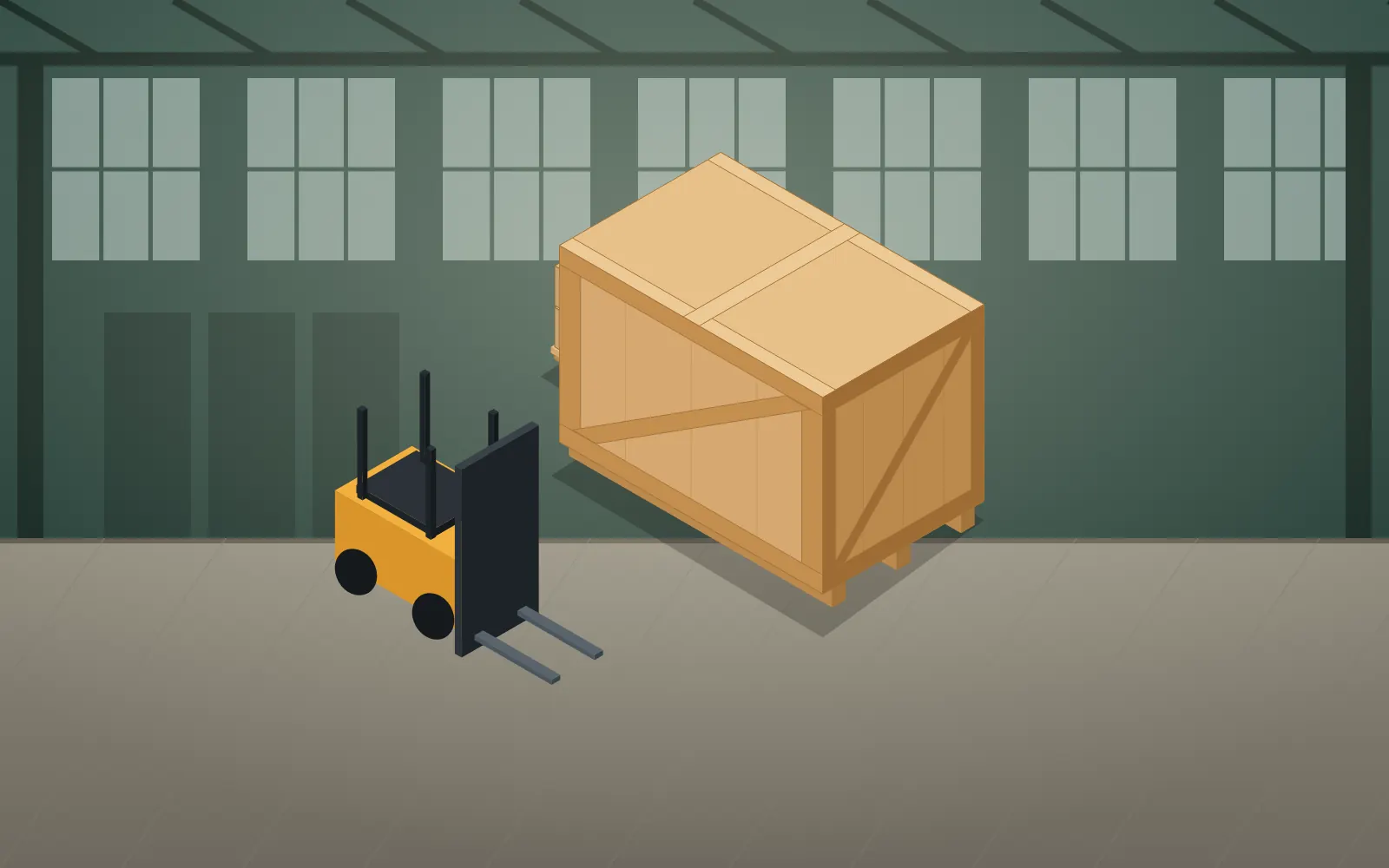
Crating guide
Accurate measurements are the fastest way to an accurate crate quote. Here is exactly what to measure, how to measure it and what to send us.
How do you measure an item for a shipping crate?
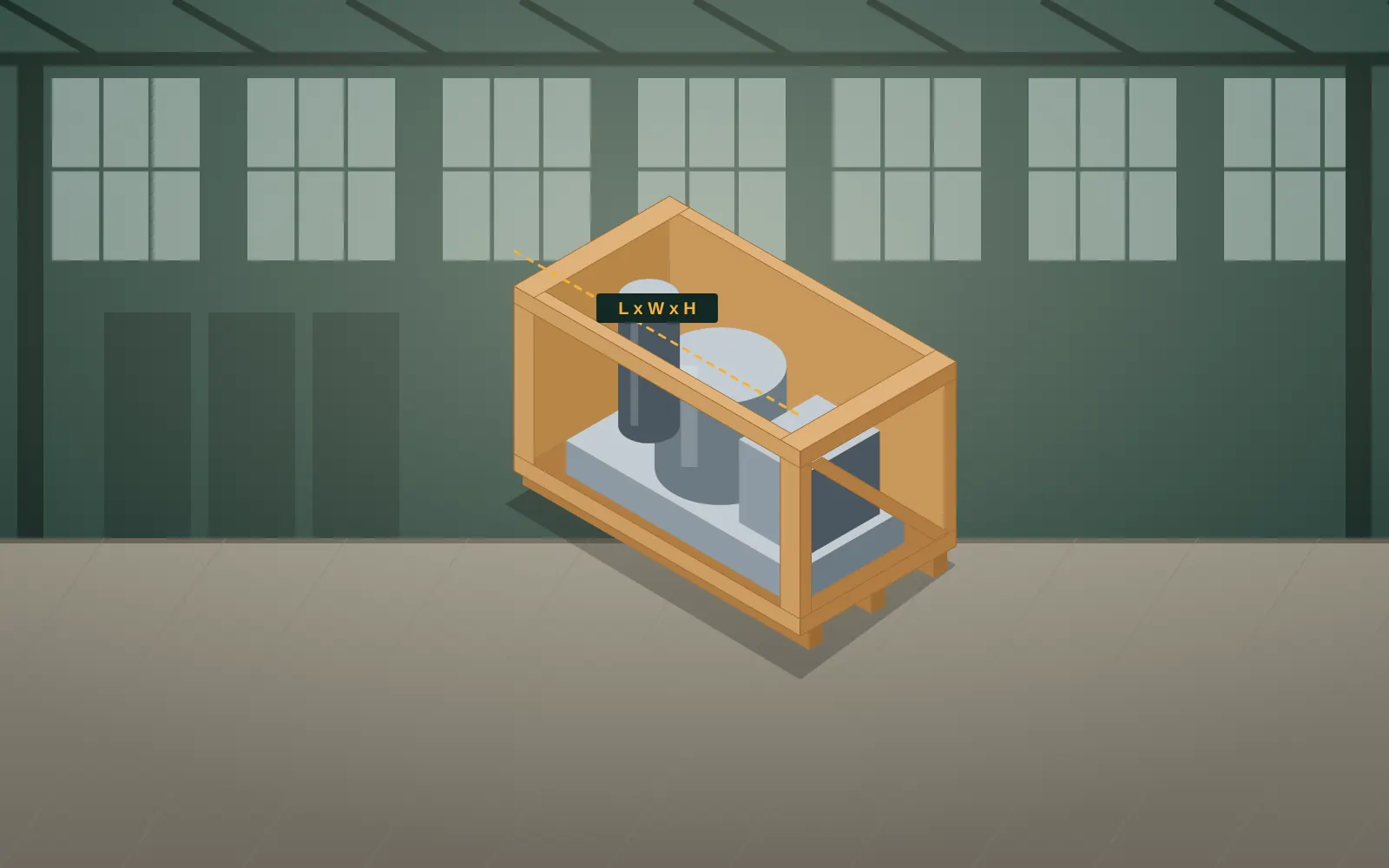
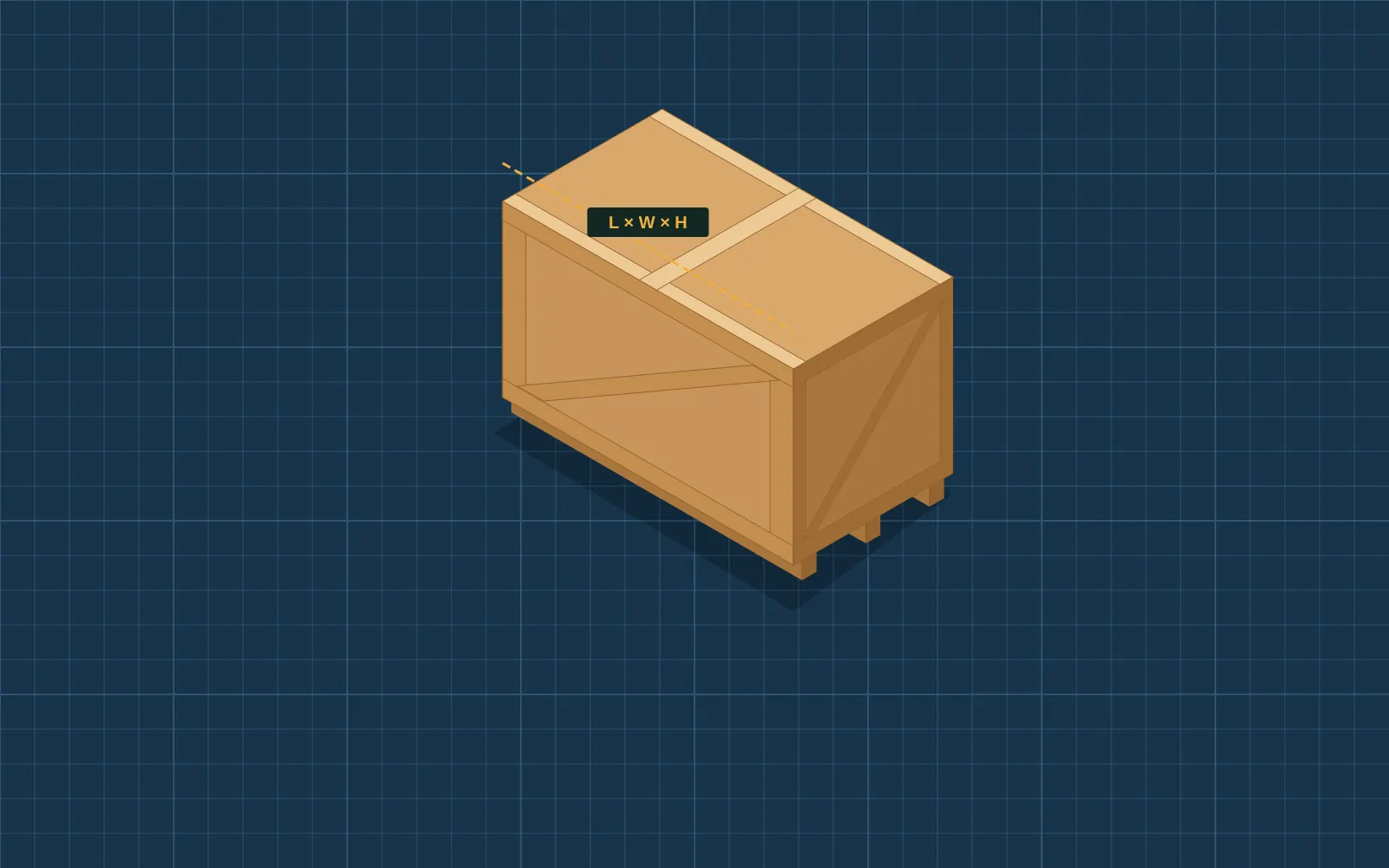
Measure the item's longest length, widest width and tallest height at their outermost points, including handles, feet and anything that sticks out. Record the weight and where the heavy end is, then send the measurements with photos from several angles. We add clearance for cushioning, blocking and the crate structure to set the interior and exterior crate dimensions.
Measure the length, width and height at the item's widest points. Include everything that protrudes: handles, control panels, feet, casters, flanges, cable glands and brackets. Measure in inches and round up to the next whole inch.
For items that are not box-shaped, measure the overall envelope as if the item sat inside an imaginary box. Note where the shape steps in or out, because blocking and foam are fitted to those features.
Weight determines the skid, lumber grade, fasteners and forklift access. Tell us if the weight is uneven and which end is heavier. For tall or top-heavy items, note the approximate height of the center of gravity so the crate can be braced against tipping.
Photograph the item from the front, back, both sides and top, plus close-ups of feet, mounting points and anything fragile. A tape measure visible in a photo helps us confirm the dimensions.
| Detail | Why it matters |
|---|---|
| Destination (domestic or international) | International shipments need ISPM-15 compliant wood. |
| Shipping mode (truck, ocean, air) | Ocean freight needs moisture protection; air freight favors lighter construction. |
| Storage time and conditions | Long or outdoor storage needs vapor barriers and desiccant. |
| Loading equipment at both ends | Forklift, crane or dock access affects skid and lift design. |
| Required ship date | Lets us schedule the build to meet your pickup. |
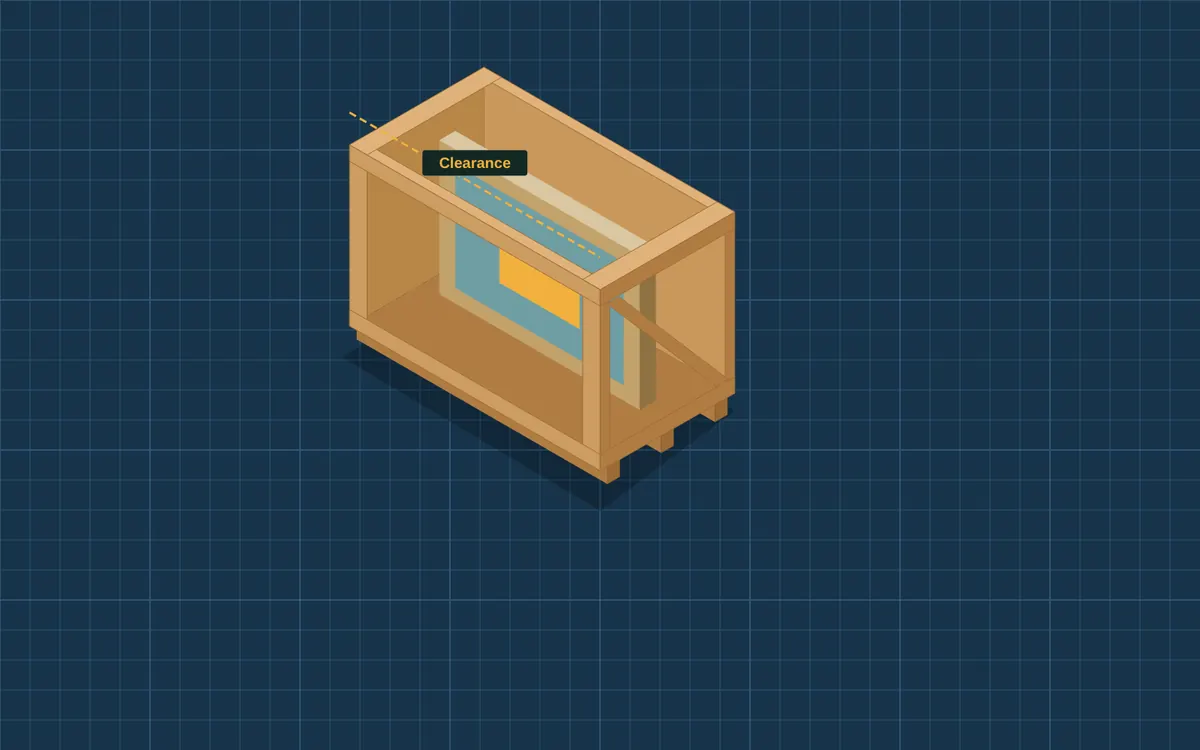
We add clearance on each side for foam cushioning or blocking and bracing, then add lumber and panel thickness to get the exterior size. The exterior dimensions and weight set the freight cost, so careful measuring keeps the crate as compact as it safely can be.
Not sure about a measurement? Our team can measure on site anywhere in Dallas–Fort Worth. See on-site crating.
Use the quote form to send dimensions, weight, photos and shipping details. Same-day quotes are available for most standard crating projects.
Give us the item's dimensions. We calculate the crate's interior and exterior sizes from them, adding clearance for cushioning, blocking and the crate structure.
It depends on the protection method. Blocked and braced machinery may need only a small gap, while foam-cushioned items need room for the foam thickness required by their weight and fragility. We set clearance during design.
We can measure on site in Dallas–Fort Worth, or work from manufacturer drawings and spec sheets.
Yes. Always measure to the outermost point, including handles, feet, brackets and controls. Missed protrusions are the most common reason a crate does not fit.
Weight determines the skid design, lumber size, fasteners, cushioning and lifting method, and it affects freight cost.
Either is fine. Inches are standard for U.S. crating; just tell us which unit you used.
Photos help a lot but do not replace measurements. Send both for the fastest and most accurate quote.
Send photos, dimensions, weight and the destination. We confirm handling points, fragility and any export or spec requirements.
We size the crate, choose lumber, plywood, foam and barrier materials, and plan blocking, bracing and skids around the load.
The crate is cut and assembled in our shop or at your dock, with fit checks, fastener and skid sizing matched to the weight.
Your item is secured, sealed, marked and documented, then handed to your carrier, delivered locally or stored.

Built-to-spec crates for products, equipment and freight, sized to the inch.
Learn more →
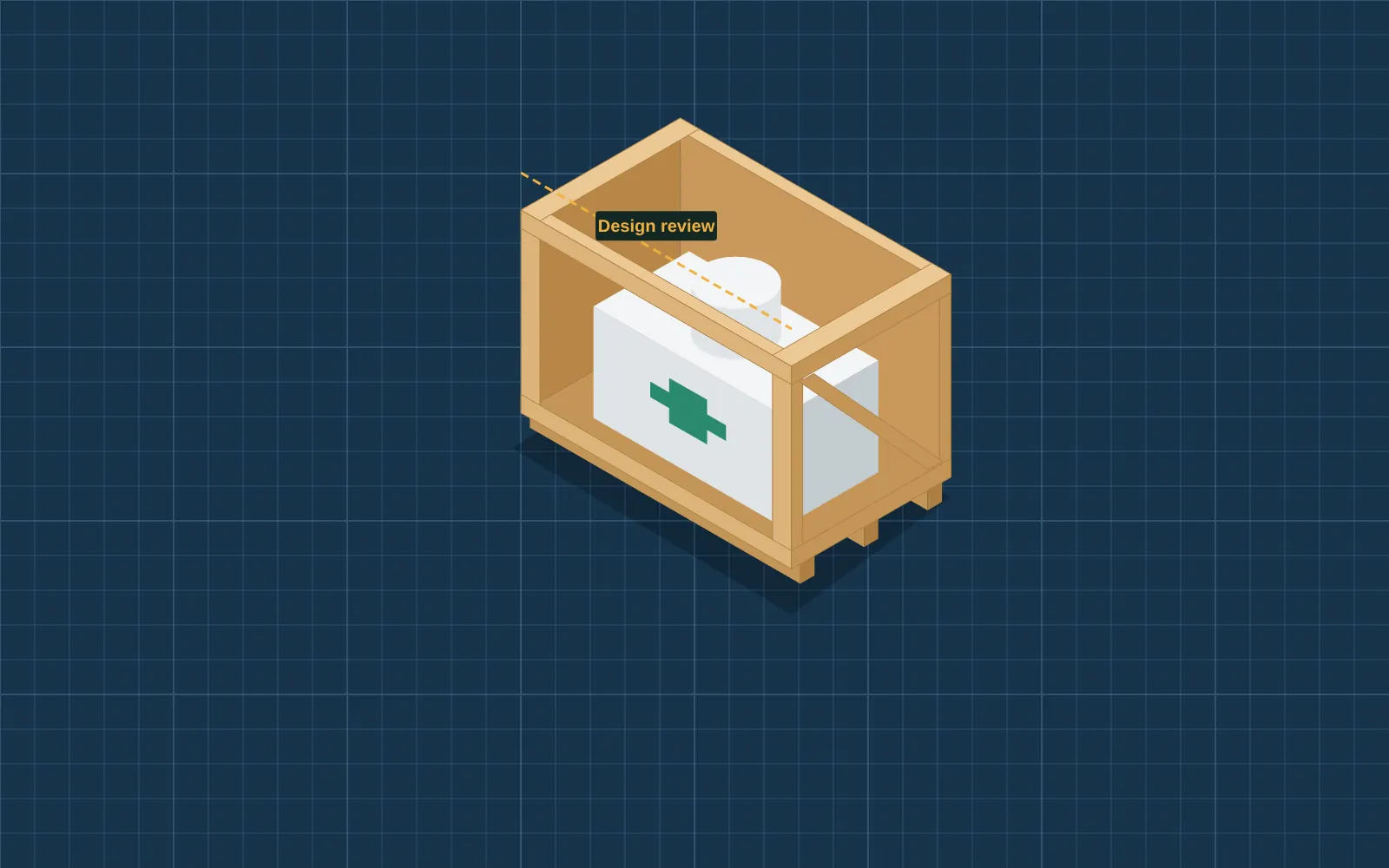
Assessment and design that match protection to the product and route.
Learn more →

Custom inserts and restraints that keep fragile equipment still and cushioned.
Learn more →
The factors that set crate pricing and practical ways to lower the cost.
Learn more →

What ISPM-15 requires, what the stamp means and how to avoid rejected shipments.
Learn more →
Request a custom crating quote in Dallas–Fort Worth. Send dimensions, weight, photos and destination online, or call 214-233-6619. 8111 LBJ Freeway, Dallas, TX.
Learn more →Send dimensions, weight, photos and destination. We'll recommend the right crate and send a quote.