Packaging that clears customs and contract inspections
Certifications & Compliance
The standards we build to for export, defense, government and regulated shipments, and what each one means for your crate.
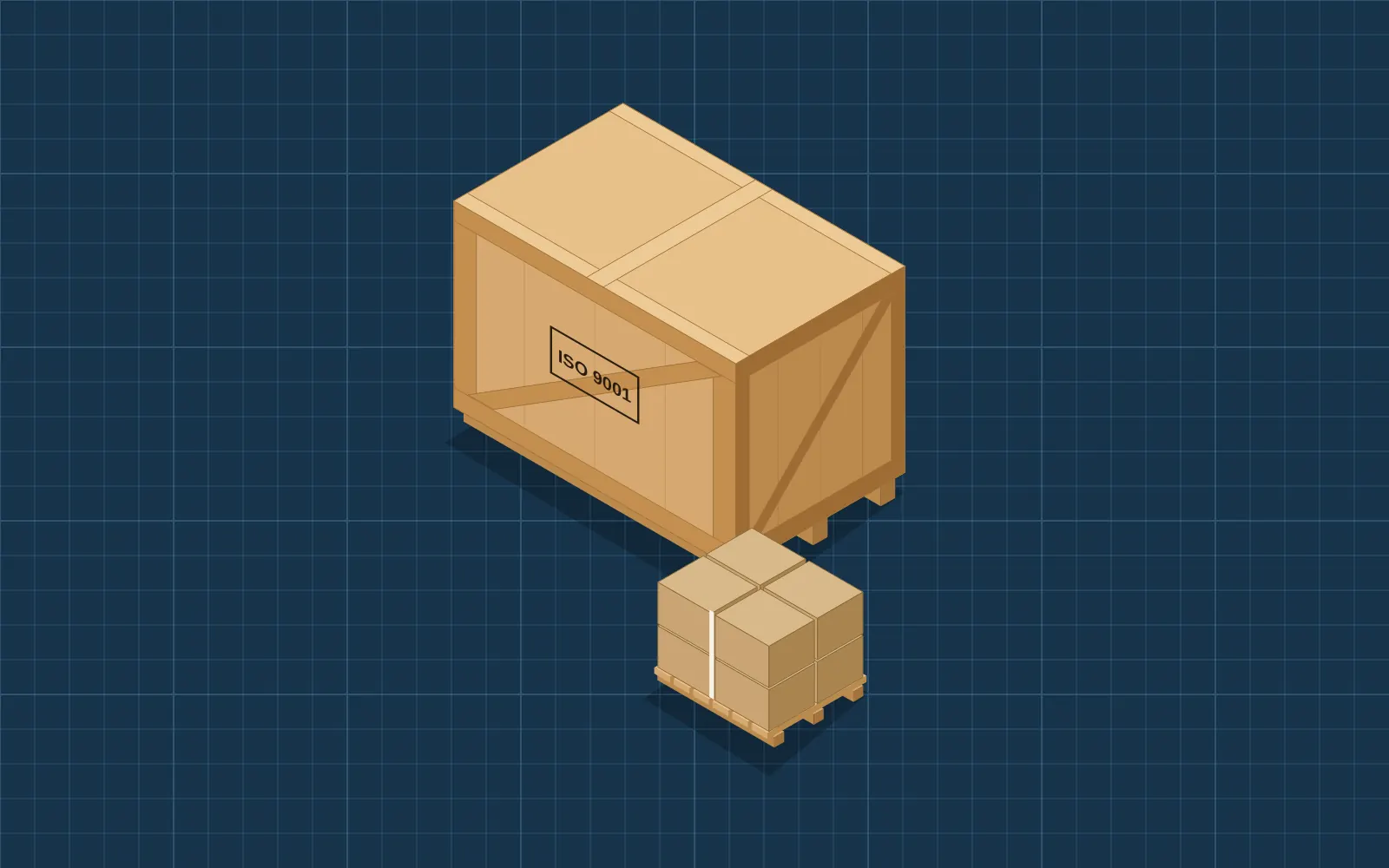
What standards do your crates meet?
Crates Manufacturer operates an ISO 9001 certified quality management system and is C-TPAT compliant. Export crates are built with ISPM-15 heat-treated, stamped lumber or exempt engineered wood. Military and government packaging follows the requirements in your contract, typically MIL-STD-2073-1 for methods and levels of protection and MIL-STD-129 for marking. Commercial crates can be designed to ASTM D6251 and D6039 and validated with ISTA-style testing.
ISO 9001 Quality Management
Our crating and packaging work runs under an ISO 9001 certified quality management system. In practice that means documented designs, controlled materials, consistent build procedures and traceable records, so a crate built next month matches the one you approved today. It also means problems are investigated and corrected at the root, not just patched.
C-TPAT Supply Chain Security
Crates Manufacturer is C-TPAT compliant. The Customs Trade Partnership Against Terrorism program, run by U.S. Customs and Border Protection, sets security practices for companies in the international supply chain: controlled facility access, vetted personnel, secure handling of packed cargo and seal integrity. For importers and exporters who participate in C-TPAT, working with compliant partners supports their own program requirements.
ISPM-15 for International Shipments
ISPM-15 is the international standard that requires solid wood packaging to be heat treated or fumigated and marked before it crosses borders. Our export crates use lumber that has been heat treated and stamped by an accredited supplier, and the mark stays visible on the finished crate. Plywood, OSB and particleboard are processed wood and are exempt. Read our ISPM-15 guide for details.
Military and Government Packaging
Defense and federal contracts usually specify packaging requirements in the contract, the data item or the purchase order. Common references include:
- MIL-STD-2073-1 for methods of preservation and levels of packing protection.
- MIL-STD-129 for shipment and storage marking, including bar codes and labels.
- ASTM D6251 and ASTM D6039 for wood-cleated and open/covered wood crates.
- MIL-STD-1188 and MIL-DTL-117 references for barrier bags and preservation materials where they apply.
We read your packaging requirements before quoting and build to them. See MIL-SPEC crating and government contract packaging.
Performance Testing
For packaging programs we can validate designs with drop, vibration, compression and impact testing modeled on ISTA and ASTM D4169 procedures. See testing services.
Documentation We Provide
- ISPM-15 lumber marks on all export crates.
- Packing lists, crate dimensions and gross weights for your forwarder.
- Photo documentation of packing on request.
- Marking and labeling per your specification.
Note for buyers: If a contract or customer requires a specific certificate, audit or accreditation, tell us when you request a quote so we can confirm we meet it before work begins.
Frequently Asked Questions
Is Crates Manufacturer ISO 9001 certified?
Yes. Our crating and packaging operations follow an ISO 9001 certified quality management system with documented designs, controlled materials and traceable records.
Are you C-TPAT compliant?
Yes. Crates Manufacturer is C-TPAT compliant, following U.S. Customs and Border Protection security practices for facility access, personnel and the handling of packed export cargo.
Are your export crates ISPM-15 certified?
Yes. We build export crates from heat-treated lumber bearing the official ISPM-15 mark, or from exempt plywood and OSB. The mark identifies the country, the treatment provider and the treatment method.
Can you meet MIL-STD-2073 requirements?
Yes. We build to the method, level of protection and marking requirements listed in your contract, including MIL-STD-2073-1 and MIL-STD-129, and we review the requirements before quoting.
Do plywood crates need an ISPM-15 stamp?
No. Plywood, OSB and other processed wood products are exempt from ISPM-15. Any solid sawn lumber in the crate, such as skids or cleats, must still be treated and marked.
Can you provide test reports for packaging designs?
For engineered packaging programs we can run and document drop, vibration and compression tests so you have a record of how the design performed.
What information should I send if my customer has a packaging spec?
Send the specification document, drawing or purchase order clause along with item details. We will confirm how we will meet each requirement in our quote.
Do you mark crates with handling symbols?
Yes. We apply center-of-gravity, lift point, fragile, this-side-up and customer-required markings so carriers handle the crate correctly.
How a Custom Crating Project Works
- 1
Consultation & assessment
Send photos, dimensions, weight and the destination. We confirm handling points, fragility and any export or spec requirements.
- 2
Custom design
We size the crate, choose lumber, plywood, foam and barrier materials, and plan blocking, bracing and skids around the load.
- 3
Build & validation
The crate is cut and assembled in our shop or at your dock, with fit checks, fastener and skid sizing matched to the weight.
- 4
Pack, mark & deliver
Your item is secured, sealed, marked and documented, then handed to your carrier, delivered locally or stored.
Related Services, Industries & Locations

ISPM-15 Export Crating
Heat-treated, stamped wood packaging that clears customs worldwide.
Learn more →
MIL-SPEC Crating & Packaging
MIL-STD-2073 and MIL-STD-129 compliant packaging for defense programs.
Learn more →
Government Contract Packaging
Federal, state and local government packaging that follows agency specs.
Learn more →
Foreign Military Sales (FMS)
Military packaging plus export compliance for allied-nation shipments.
Learn more →
ISPM-15 Guide
What ISPM-15 requires, what the stamp means and how to avoid rejected shipments.
Learn more →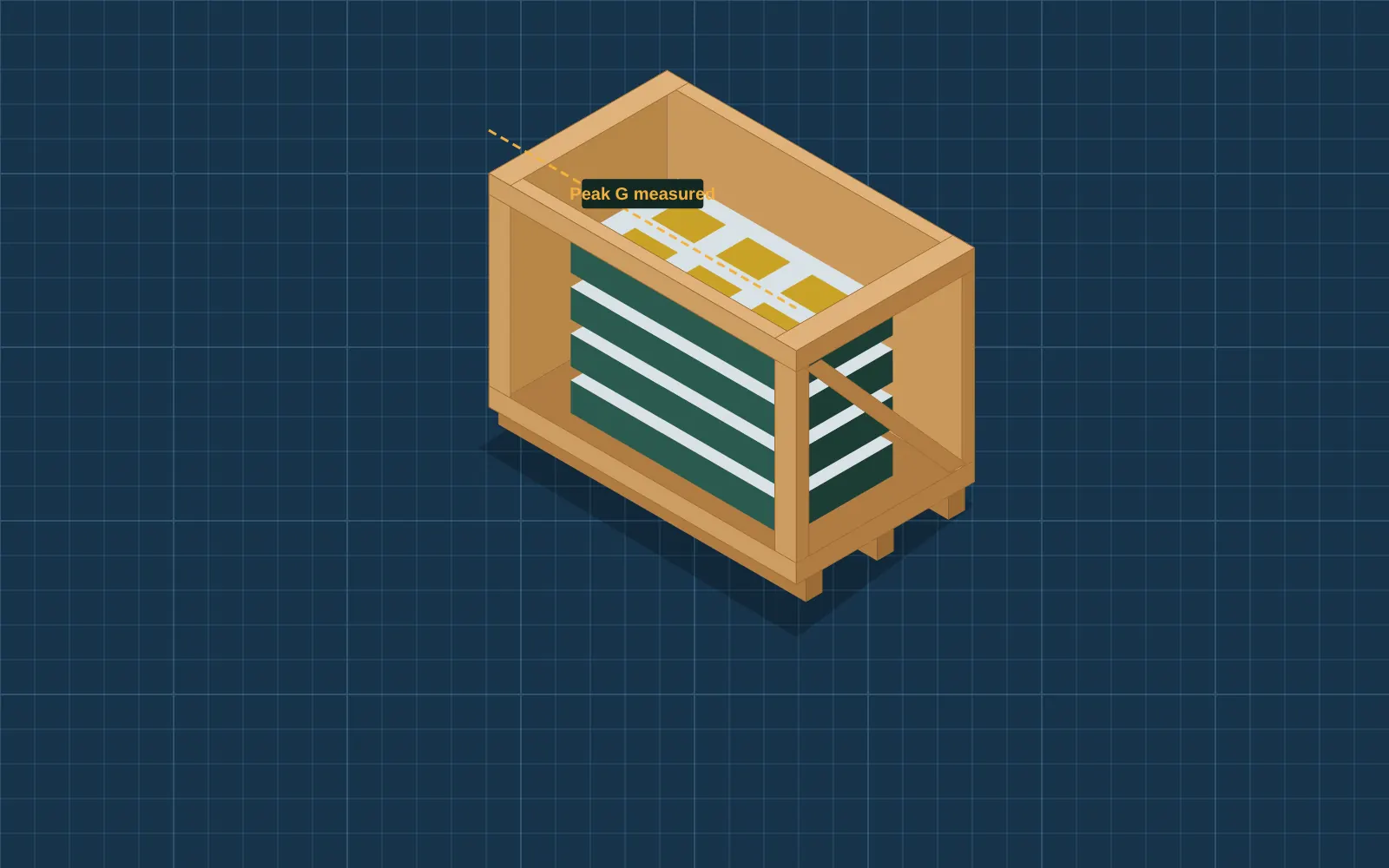
Drop, Vibration & Impact Testing
Accelerometer-based testing that validates packaging before shipping.
Learn more →Tell Us What You're Shipping
Send dimensions, weight, photos and destination. We'll recommend the right crate and send a quote.