Protection designed from data, not guesswork
We assess your product, its fragility and its distribution environment, then design packaging that protects it with the least material and cost.
What does a packaging engineer do?
A packaging engineer designs packaging that protects a product through its real distribution environment at the lowest total cost. That involves assessing the product's dimensions, weight and fragility, studying how it is handled and shipped, selecting materials and cushioning, designing the package in CAD, and validating it with prototypes and testing.
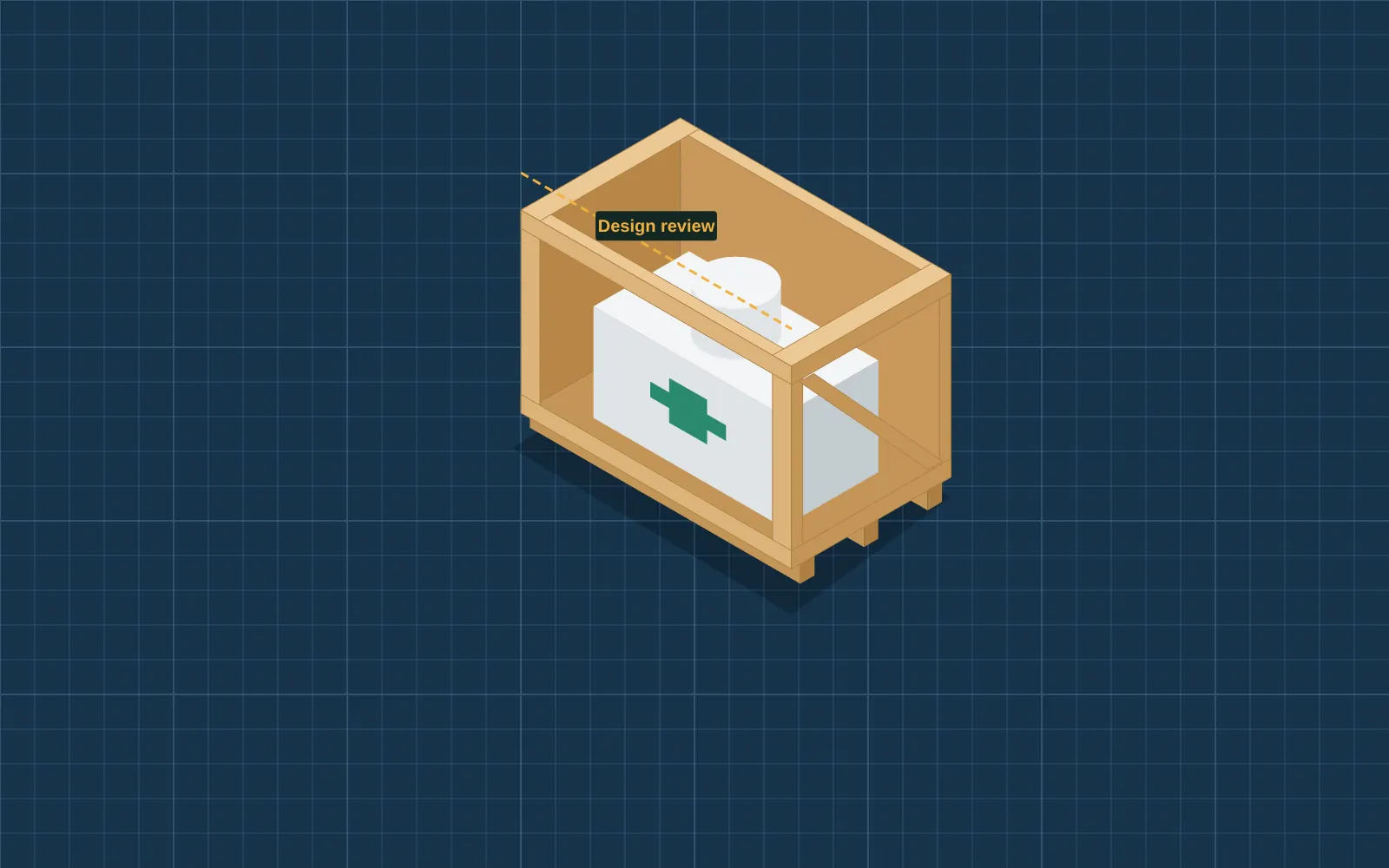
We document the product's size, weight, center of gravity, fragile components and mounting points, and map the distribution environment: modes, handling steps, drop heights, vibration, climate and storage.
We propose crate or container construction, restraint, cushioning and moisture protection, often with options at different cost levels.
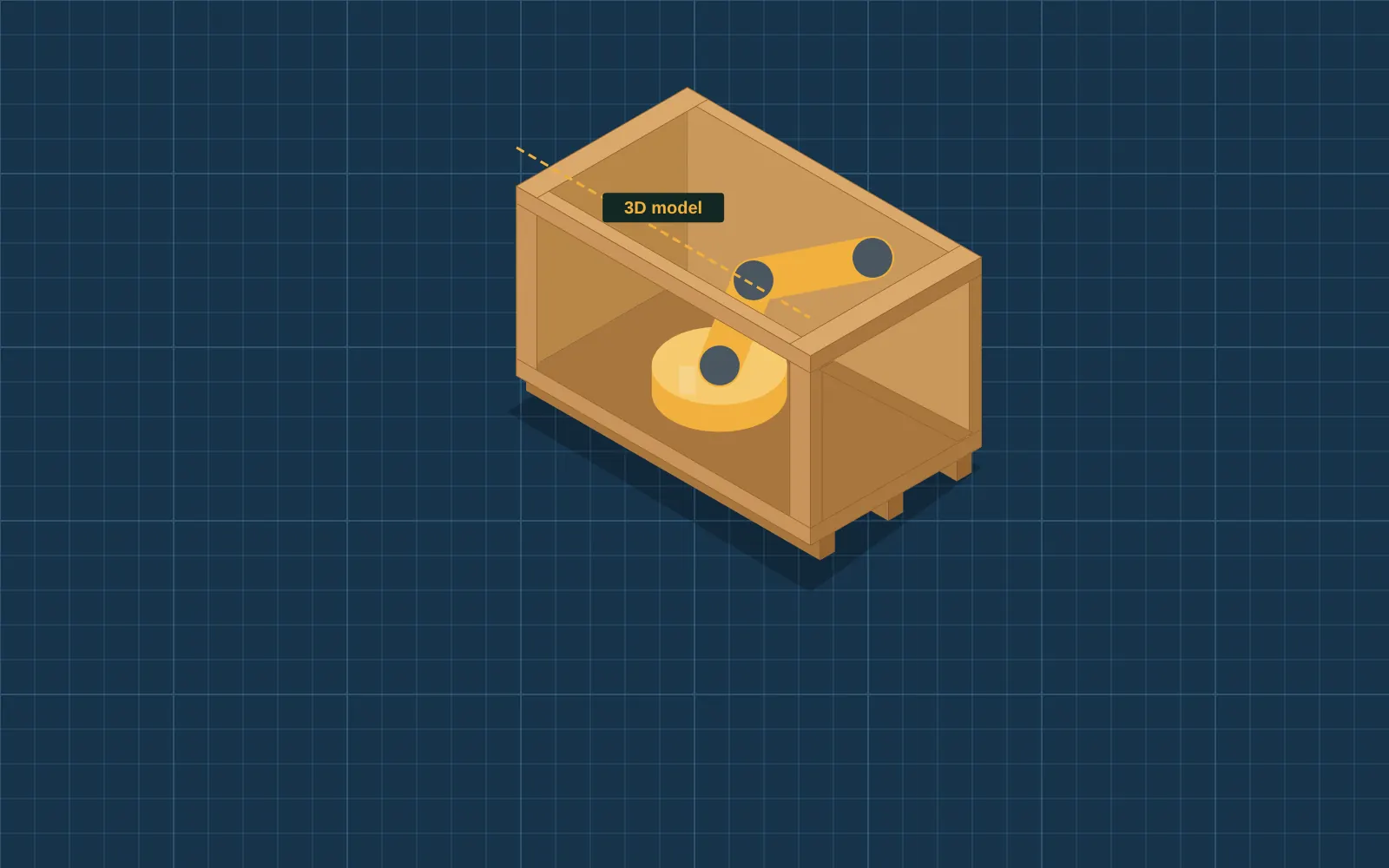
The selected concept is modeled in CAD with a bill of materials and build drawings.
We build prototypes and validate them through drop, vibration and impact testing when required.
Approved designs are stored as controlled drawings and produced consistently under our ISO 9001 system.
Right-sized packaging reduces damage, material use, freight cube and weight at the same time. For companies with large programs, we extend the work into supply chain analysis.
Engineering starts with data about the product and the shipping environment and produces a documented, repeatable design, often validated by testing. A one-off crate is built to fit and protect but is not typically modeled or tested.
Usually not, unless the item is extremely valuable or fragile. Engineering pays off most on recurring shipments and new product launches.
Product drawings or measurements, weight, photos, known fragile points, shipping routes and modes, volumes and any customer or regulatory requirements.
Yes. We review damaged shipments and the current package, identify failure points and design corrective changes.
Yes. Approved packaging drawings and specifications can be provided to you, and we store them for consistent reorders.
Simple designs can be completed in days; projects with prototypes and testing typically take a few weeks depending on scope.
Send photos, dimensions, weight and the destination. We confirm handling points, fragility and any export or spec requirements.
We size the crate, choose lumber, plywood, foam and barrier materials, and plan blocking, bracing and skids around the load.
The crate is cut and assembled in our shop or at your dock, with fit checks, fastener and skid sizing matched to the weight.
Your item is secured, sealed, marked and documented, then handed to your carrier, delivered locally or stored.

3D models of your crate and inserts, approved before production.
Learn more →
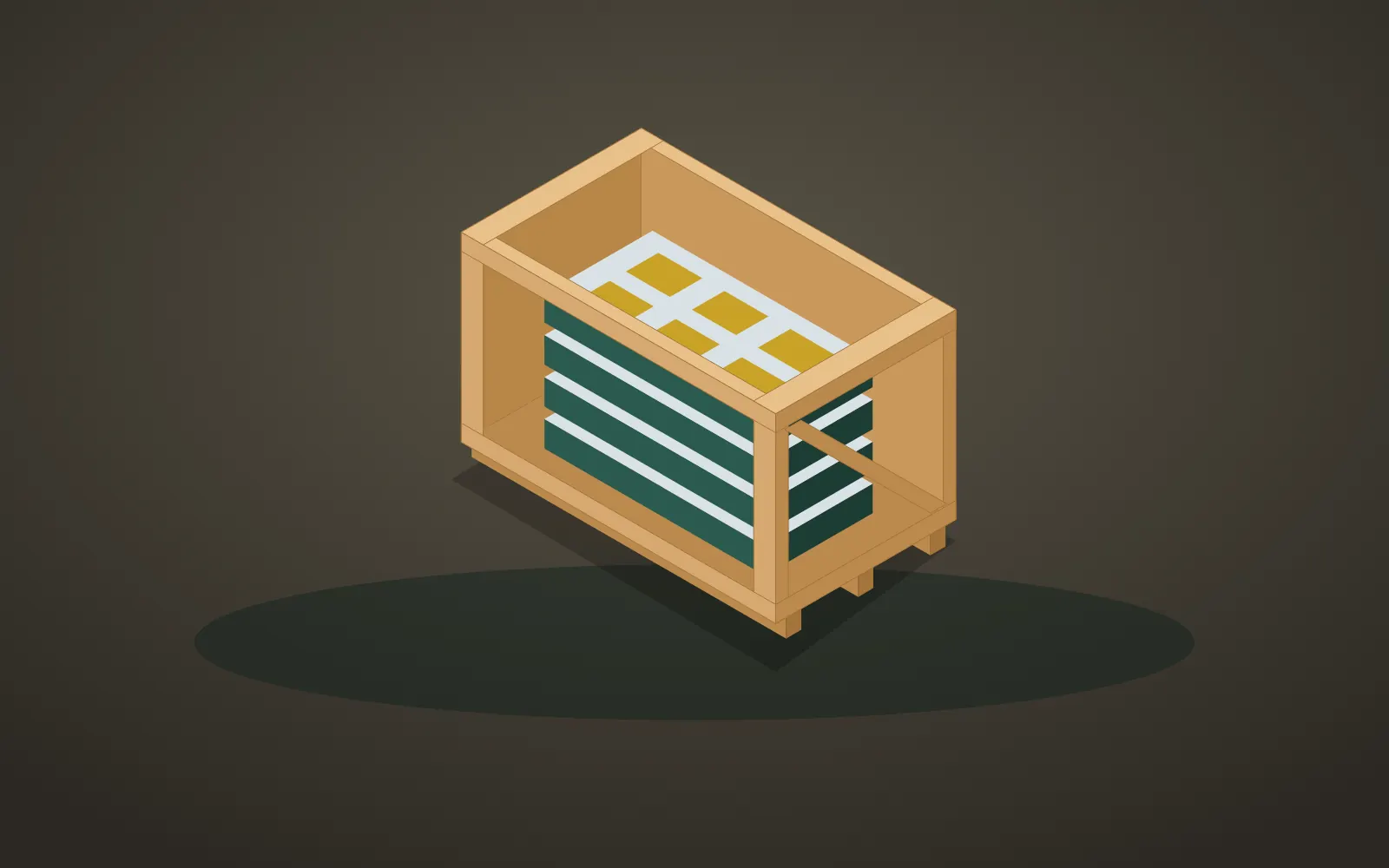
One-off and short-run prototypes that prove fit before production.
Learn more →
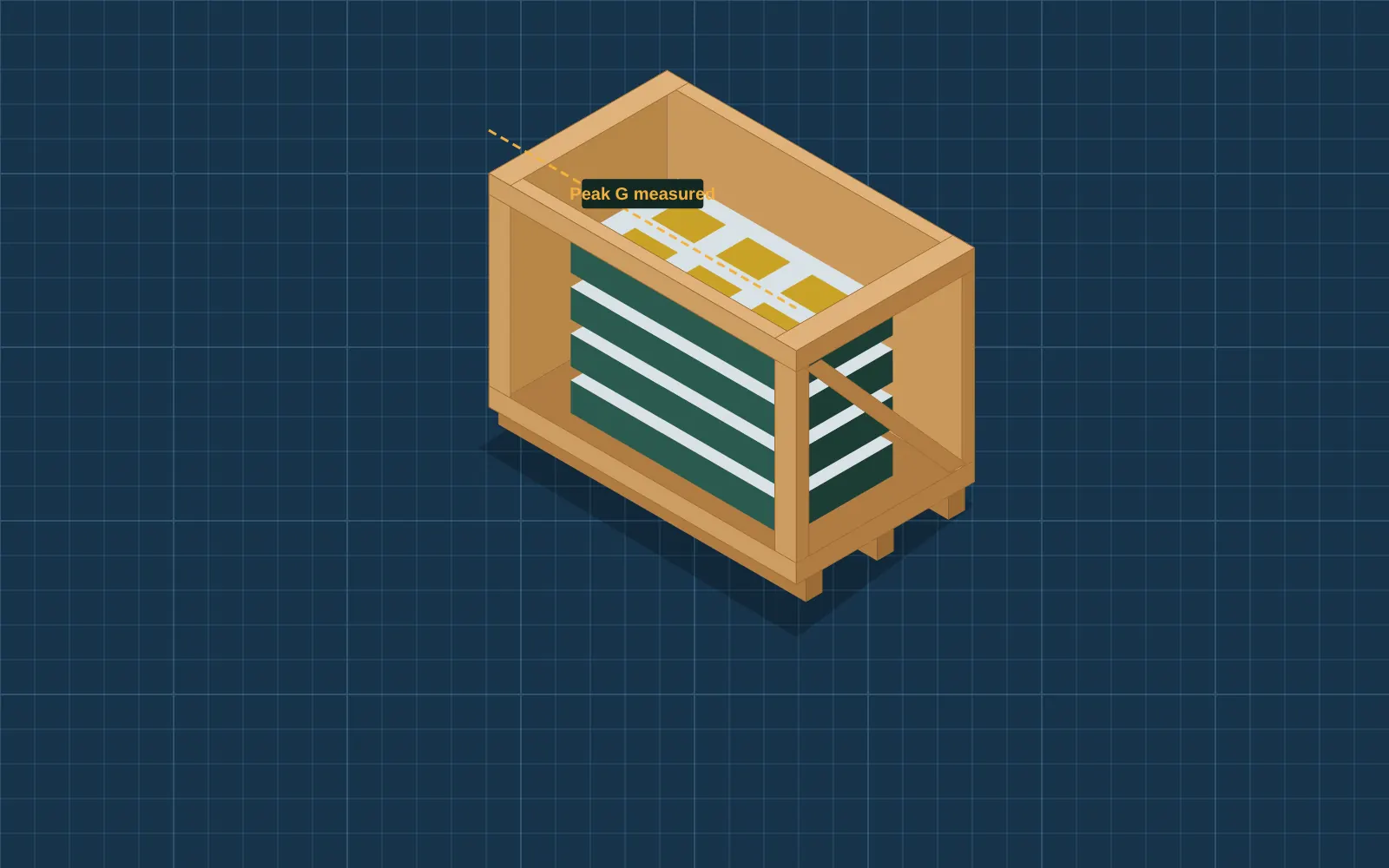
Accelerometer-based testing that validates packaging before shipping.
Learn more →
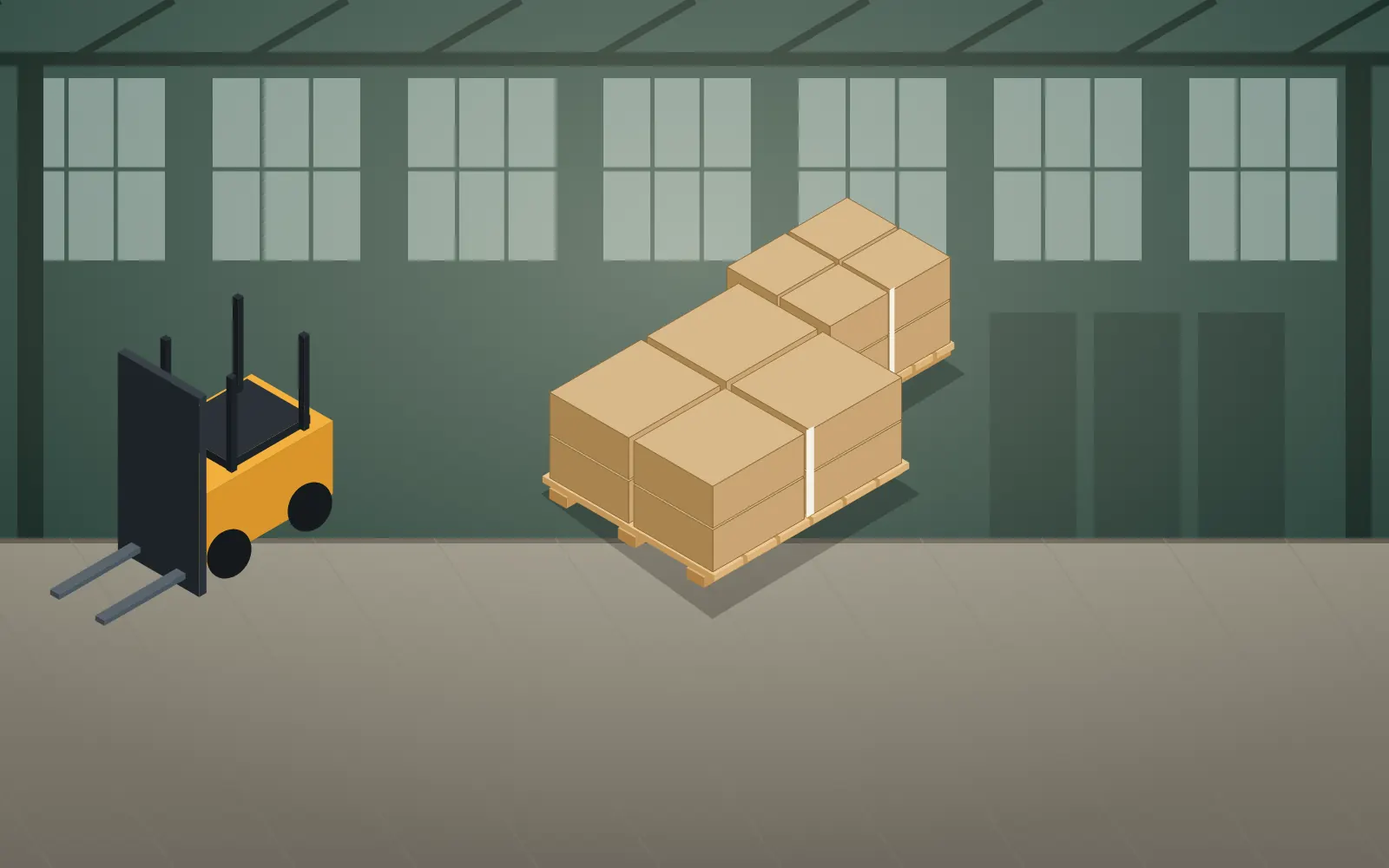
A review of your packaging program that finds cost and efficiency gains.
Learn more →

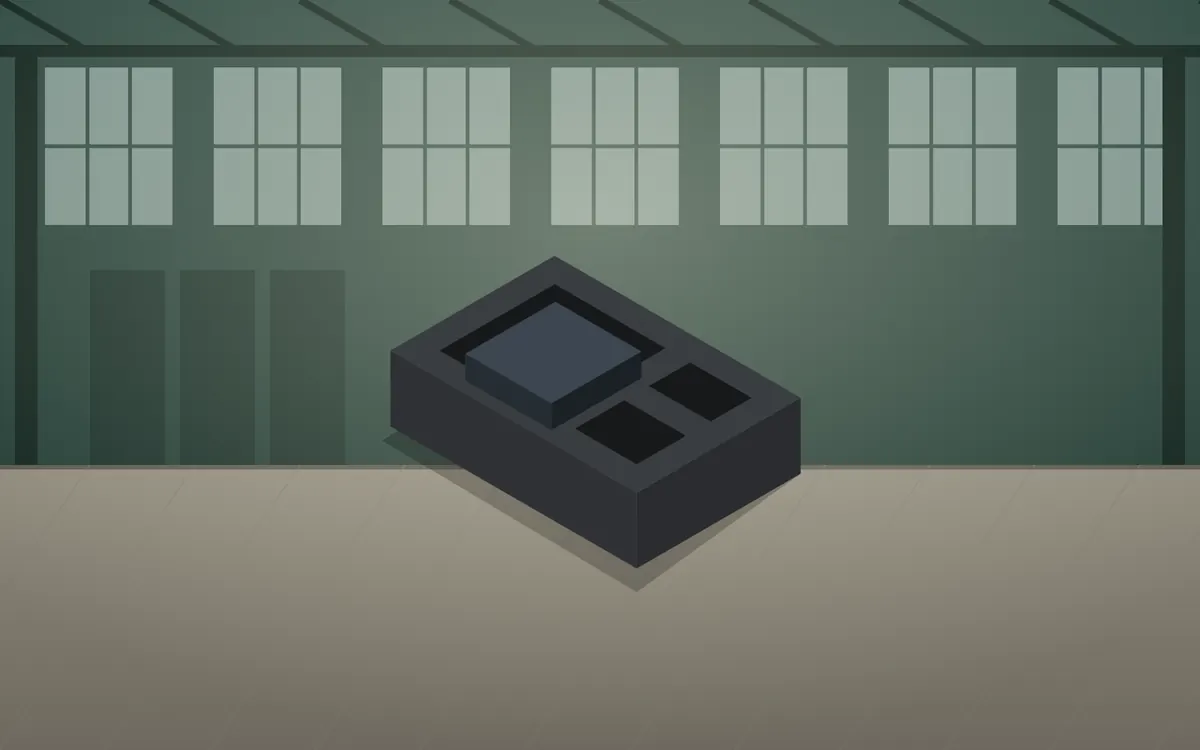
Custom inserts and restraints that keep fragile equipment still and cushioned.
Learn more →
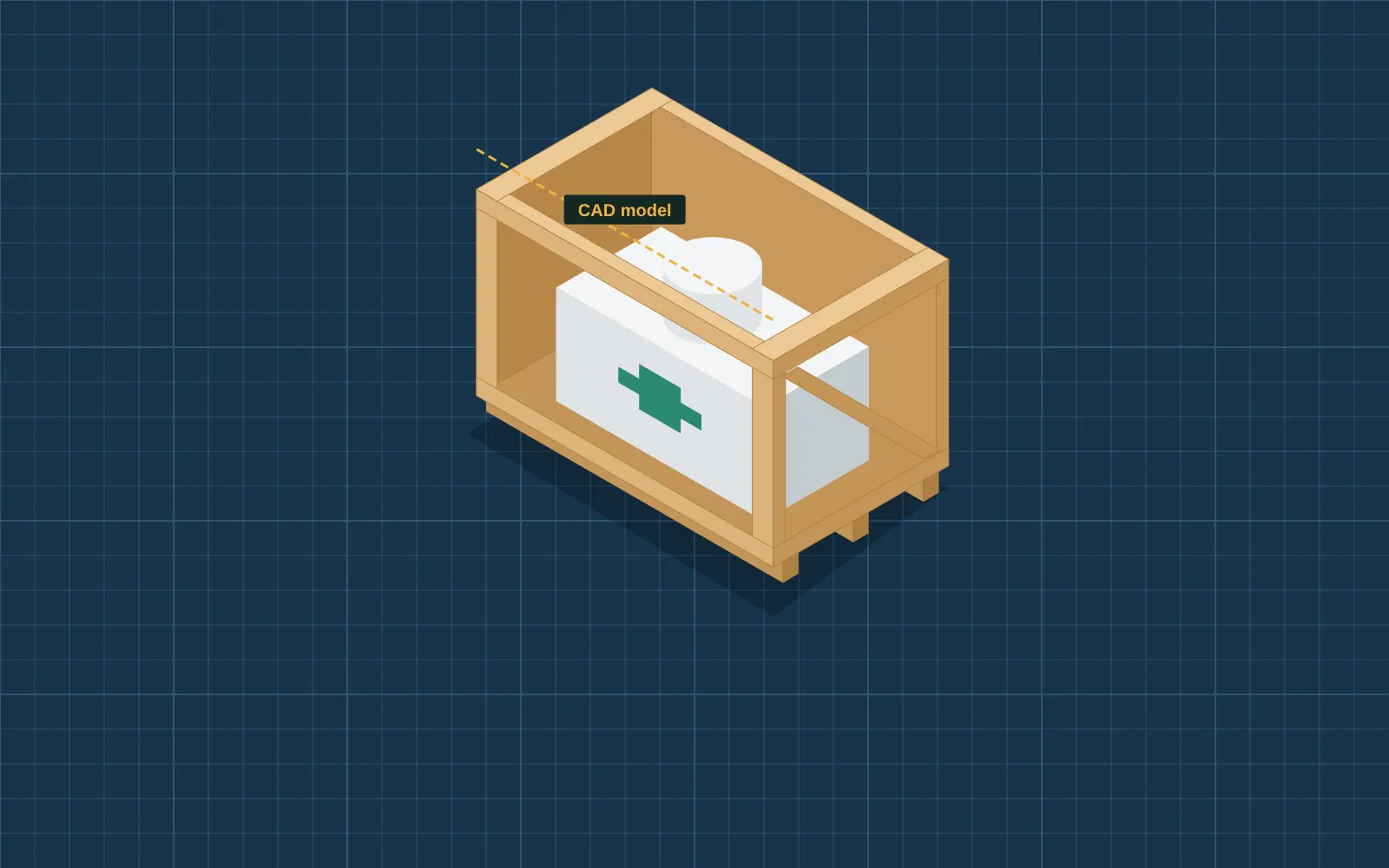
Packaging engineering in Dallas: assessment, CAD design and 3D modeling, prototyping, drop and vibration testing and supply chain analysis before you ship.
Learn more →Send dimensions, weight, photos and destination. We'll recommend the right crate and send a quote.