Serving Dallas–Fort Worth & East Texas214-233-6619

Rail & intermodal transport

Rail & Intermodal Transport Crating & Protective Packaging

Crates and load securement designed for coupling impacts, long-haul vibration and transfers between rail, truck and ship.

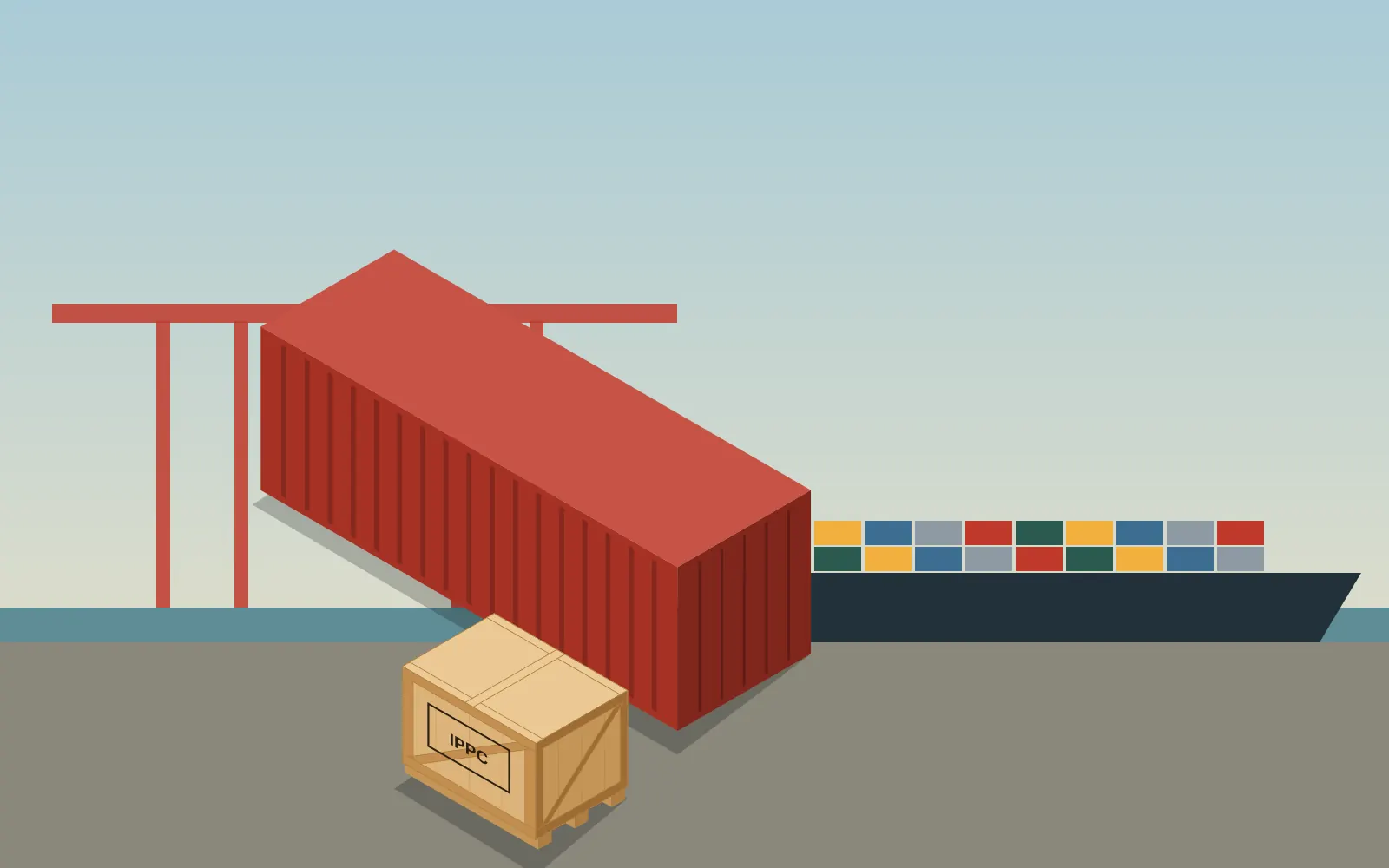
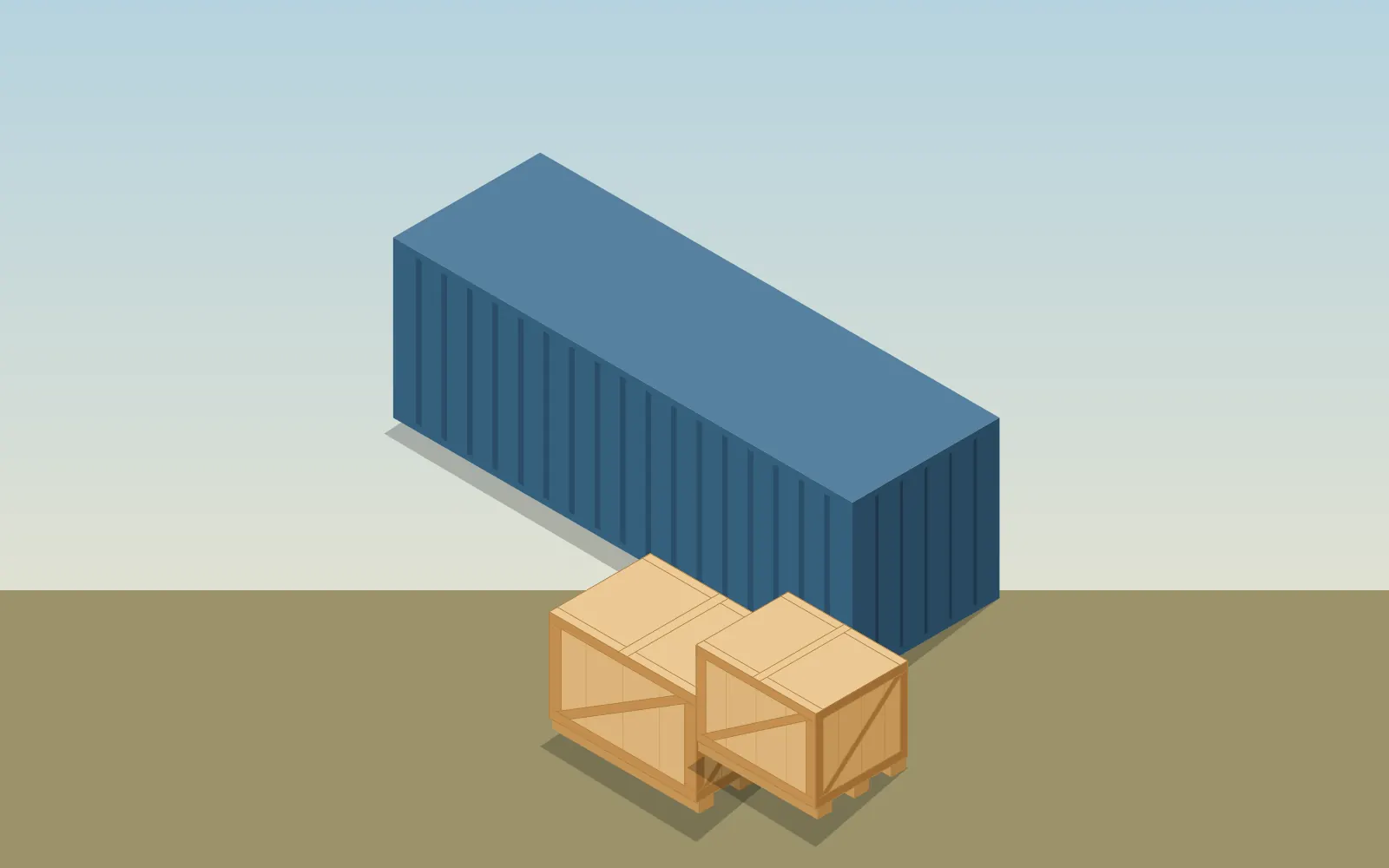
Crated cargo on a flatcar with an intermodal container behind it
ISPM-15 export-readyISO 9001 certifiedMIL-STD compliantSame-day quotes available

What packaging do rail shipments need?

Rail shipments need crates and load securement designed for repeated longitudinal impacts from coupling and slack action, plus sustained vibration over long distances. Loads are blocked and braced in the direction of travel and secured to rail loading guidelines and carrier requirements.

DFW is a major rail hub, with intermodal facilities serving Alliance in Fort Worth and Southern Dallas. Rail is economical for heavy and long-haul cargo, but its forces differ from trucking.

Rail-Specific Risks

Coupling impacts, slack action, long-duration vibration and transfers between modes.

What We Provide

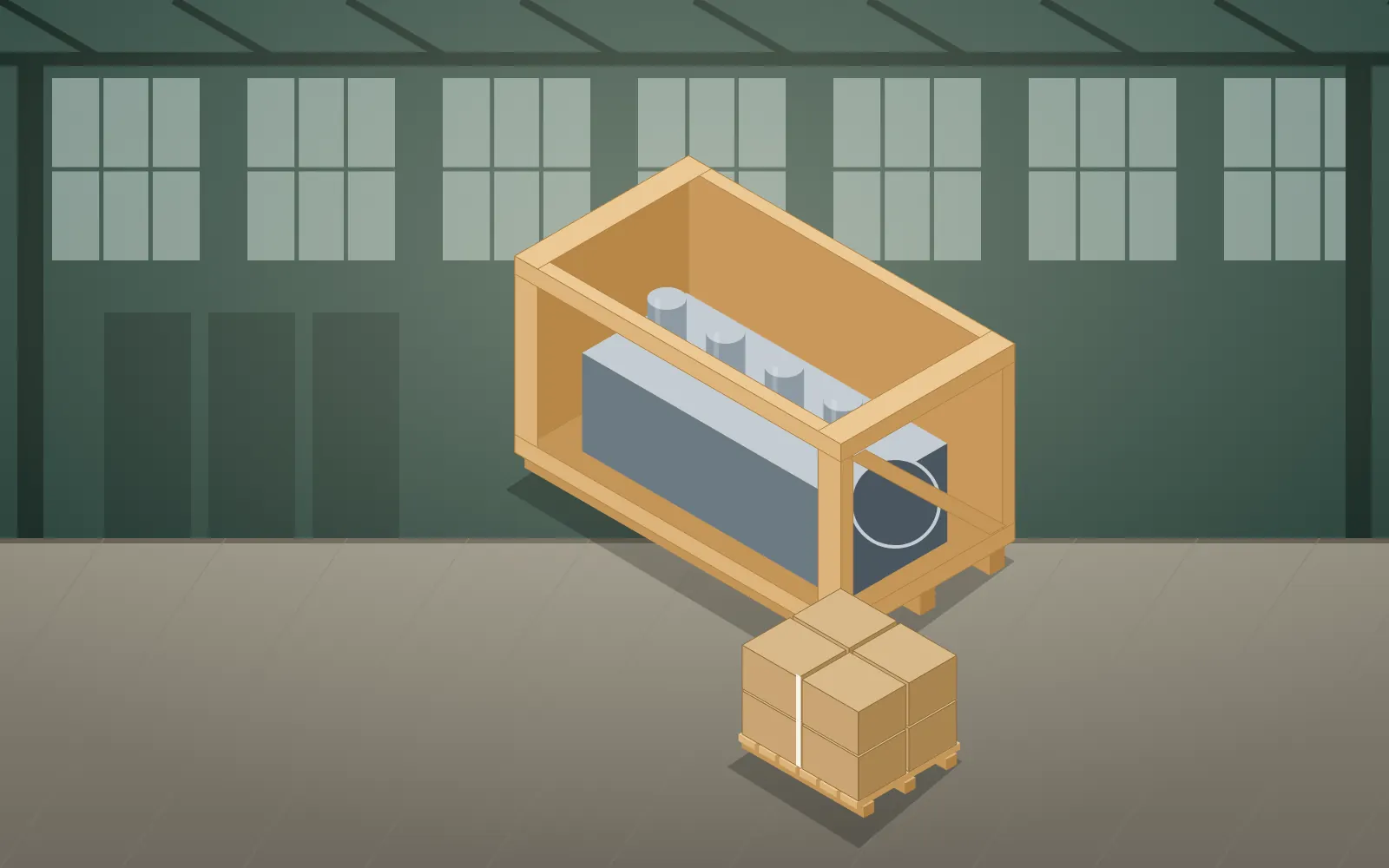
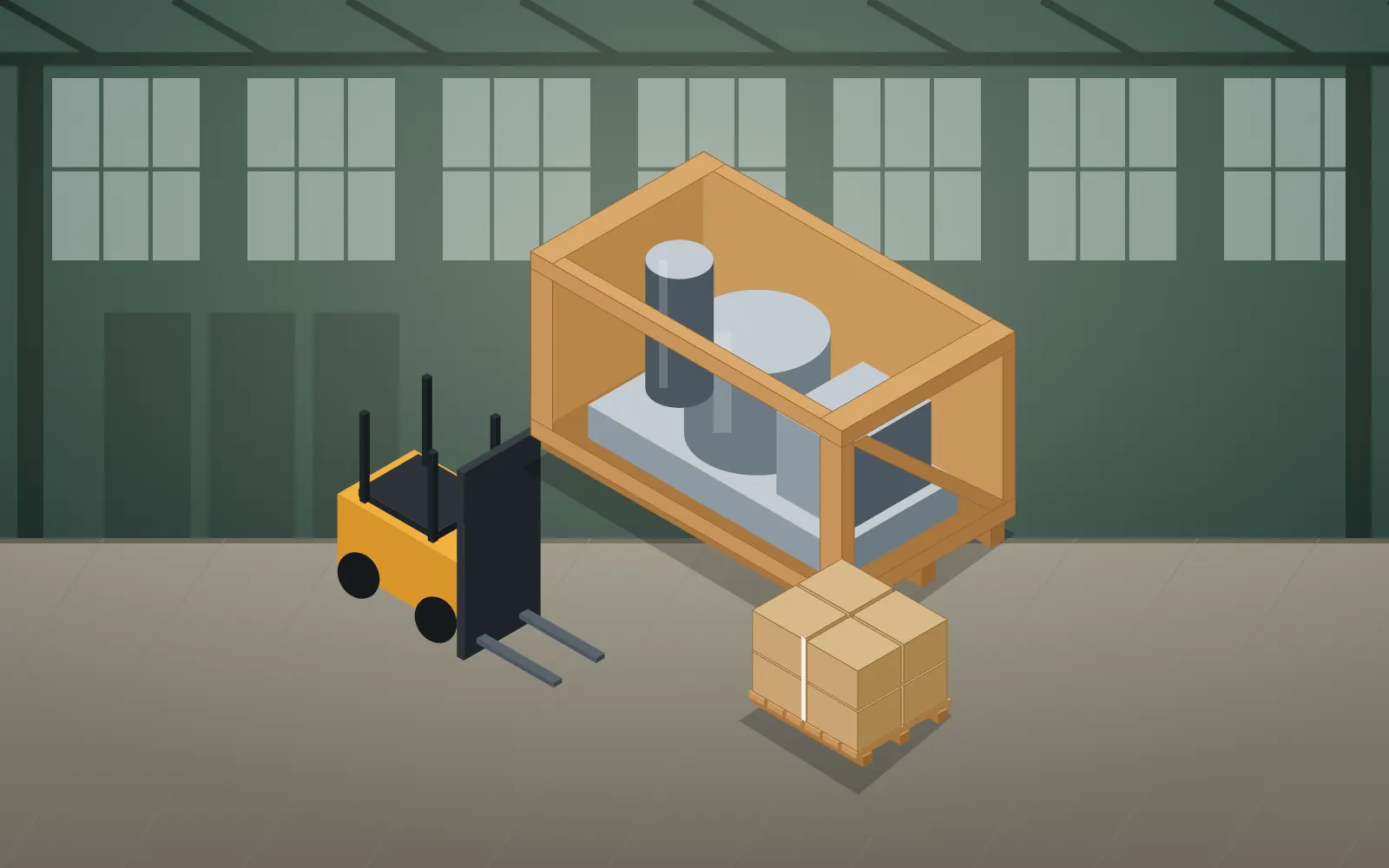
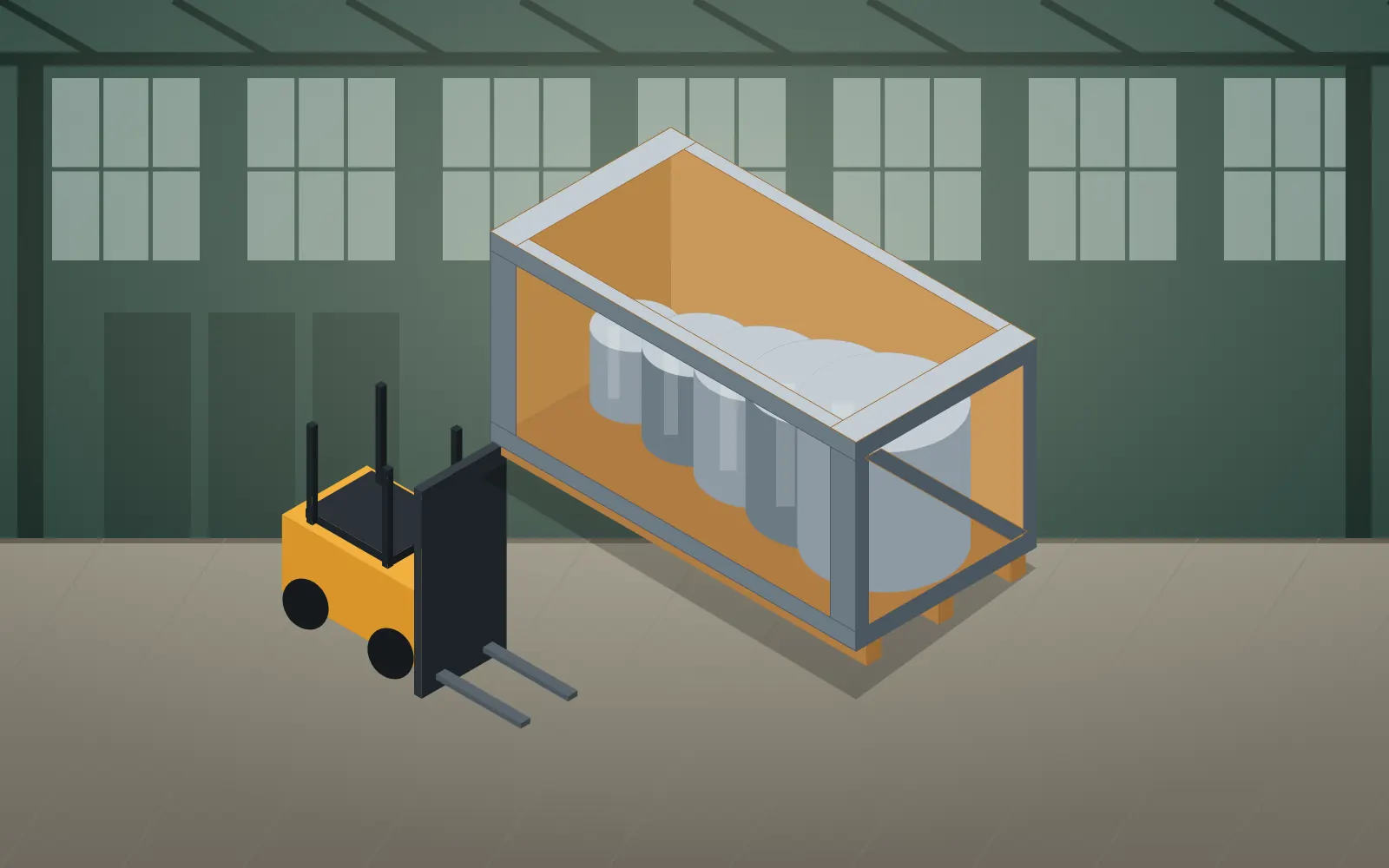
Heavy-duty crates, blocking and bracing for containers and railcars, and restraint designed for longitudinal forces.

Frequently Asked Questions

Railcar coupling and slack action create repeated longitudinal impacts that can shift unsecured loads.

We design securement using industry rail loading guidance and your carrier's requirements.

Yes. We block and brace cargo in containers at your facility.

Yes, on properly engineered skids with restraint designed for rail forces.

Send the item's dimensions, weight, photos, quantity and destination through our quote form or call 214-233-6619. Same-day quotes are available for most standard projects.

How a Custom Crating Project Works

  1. 1

    Consultation & assessment

    Send photos, dimensions, weight and the destination. We confirm handling points, fragility and any export or spec requirements.

  2. 2

    Custom design

    We size the crate, choose lumber, plywood, foam and barrier materials, and plan blocking, bracing and skids around the load.

  3. 3

    Build & validation

    The crate is cut and assembled in our shop or at your dock, with fit checks, fastener and skid sizing matched to the weight.

  4. 4

    Pack, mark & deliver

    Your item is secured, sealed, marked and documented, then handed to your carrier, delivered locally or stored.