Export guide
Almost every country requires solid wood packaging on international shipments to meet ISPM-15. This guide explains what the standard requires and how to stay compliant.
What is ISPM-15?
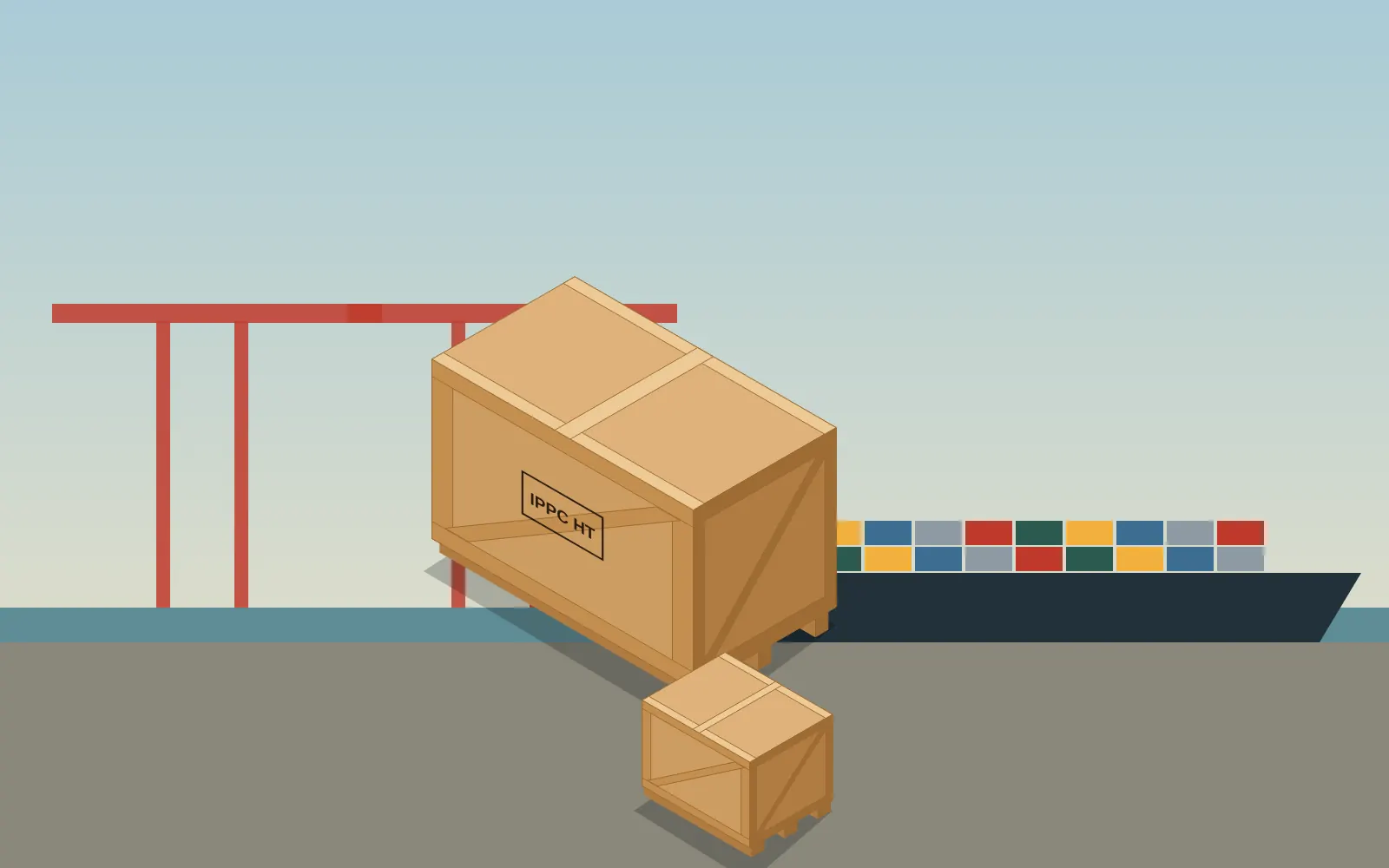
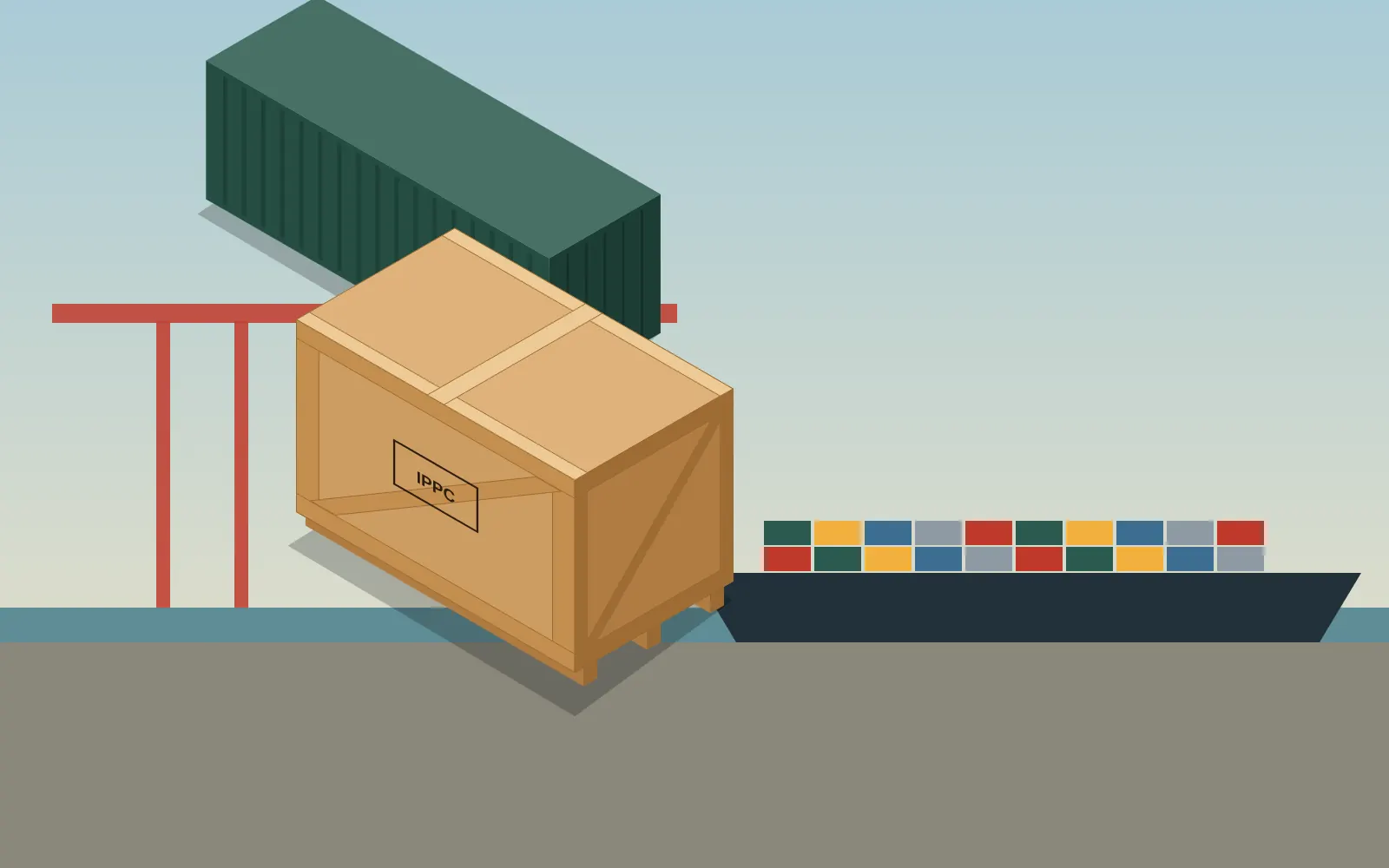
ISPM-15 is an international phytosanitary standard that requires solid wood packaging used in international trade, such as crates, pallets, skids and dunnage, to be treated to kill pests and marked with the IPPC stamp. Treatment is usually heat treatment to a core temperature of at least 56°C for 30 minutes. Untreated or unmarked wood can be refused, treated or destroyed at the destination port.
Raw wood can carry insects and diseases across borders. ISPM-15, published under the International Plant Protection Convention (IPPC), sets one treatment and marking system so importing countries can trust wood packaging from any exporter.
Exempt materials do not need the stamp, but any solid wood skid or cleat attached to them still does. A plywood crate on an untreated skid is not compliant.
Wood is heated until its core reaches at least 56°C for at least 30 continuous minutes. This is the most common method and the one we use.
Fumigation is still permitted in some countries but is being phased out and is banned or restricted by many importers. HT is the safer choice.
| Mark element | Meaning |
|---|---|
| IPPC wheat symbol | Shows the wood was treated under ISPM-15 |
| Country code | Two-letter code of the country where it was treated, such as US |
| Producer or facility number | Identifies the certified treatment provider |
| Treatment code | HT for heat treatment or MB for methyl bromide |
| Agency code | Identifies the accredited inspection agency |
Every solid wood component in our ISPM-15 export crates is heat treated and marked, including skids, cleats and blocking. For ocean freight, we add seaworthy moisture protection and provide documentation for your freight forwarder.
Canada and the U.S. have a bilateral arrangement that exempts some wood packaging moving between them, but requirements change and vary by situation. Mexico requires ISPM-15. We recommend treated, marked wood for all exports so the crate is accepted anywhere.
Plywood itself is exempt, but any solid wood skid, cleat or batten in the crate must be treated and marked.
The importing country can refuse entry, require treatment at your cost, destroy the packaging or send the shipment back. Delays and fees can be significant.
The mark remains valid as long as the wood is not altered, repaired with untreated wood or re-treated. Reused packaging must keep a legible, valid mark.
For most exporters, yes. Heat treatment is accepted worldwide, uses no chemicals, and avoids restrictions placed on methyl bromide by many countries.
Yes. Dunnage and bracing made from solid wood must be ISPM-15 compliant and marked, which is one of the most commonly missed items.
Yes. We can provide confirmation that the crate's solid wood components are ISPM-15 compliant along with packing details.
Send photos, dimensions, weight and the destination. We confirm handling points, fragility and any export or spec requirements.
We size the crate, choose lumber, plywood, foam and barrier materials, and plan blocking, bracing and skids around the load.
The crate is cut and assembled in our shop or at your dock, with fit checks, fastener and skid sizing matched to the weight.
Your item is secured, sealed, marked and documented, then handed to your carrier, delivered locally or stored.

Heat-treated, stamped wood packaging that clears customs worldwide.
Learn more →
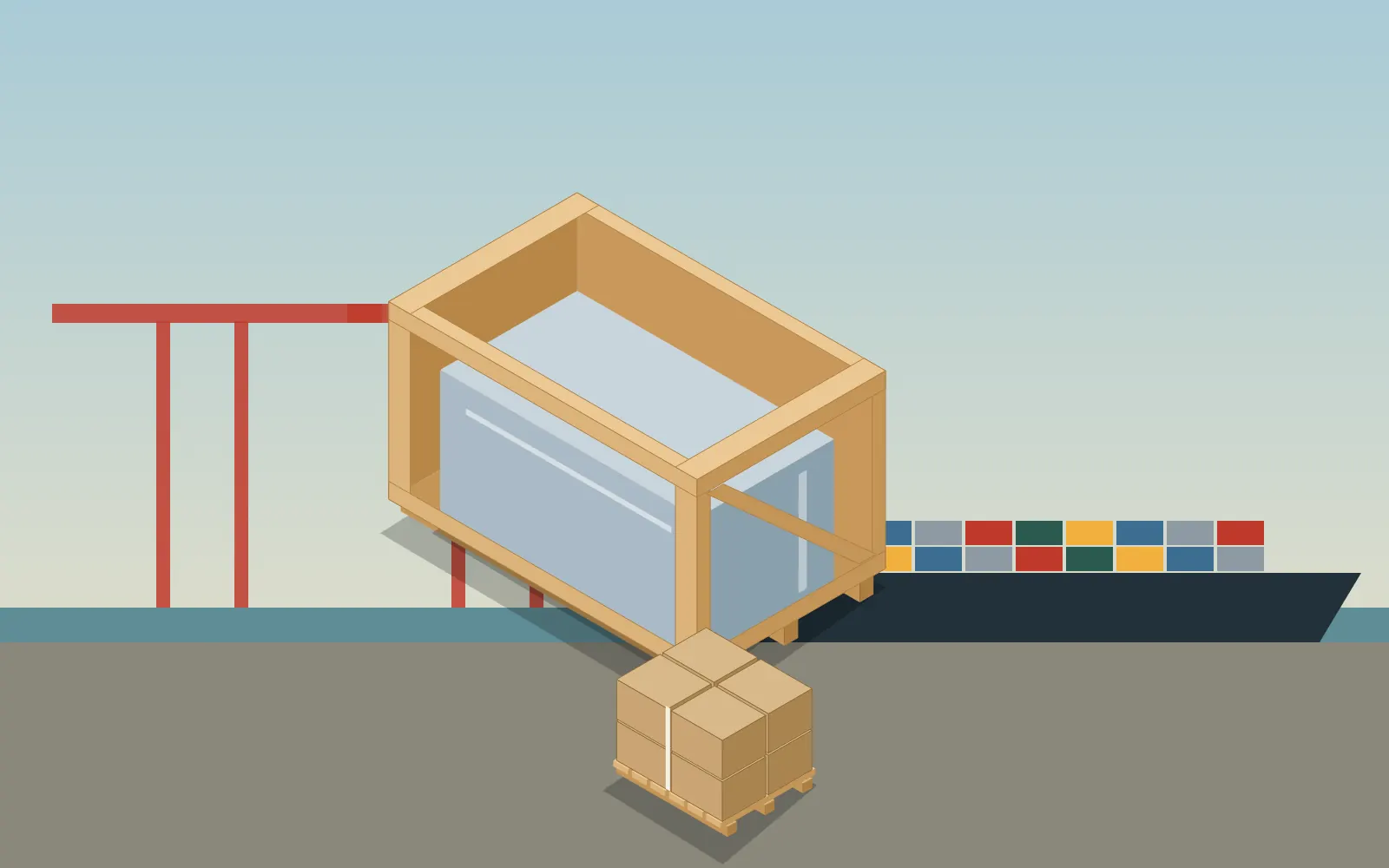
Barrier bags, VCI and desiccant against humidity, salt air and condensation.
Learn more →
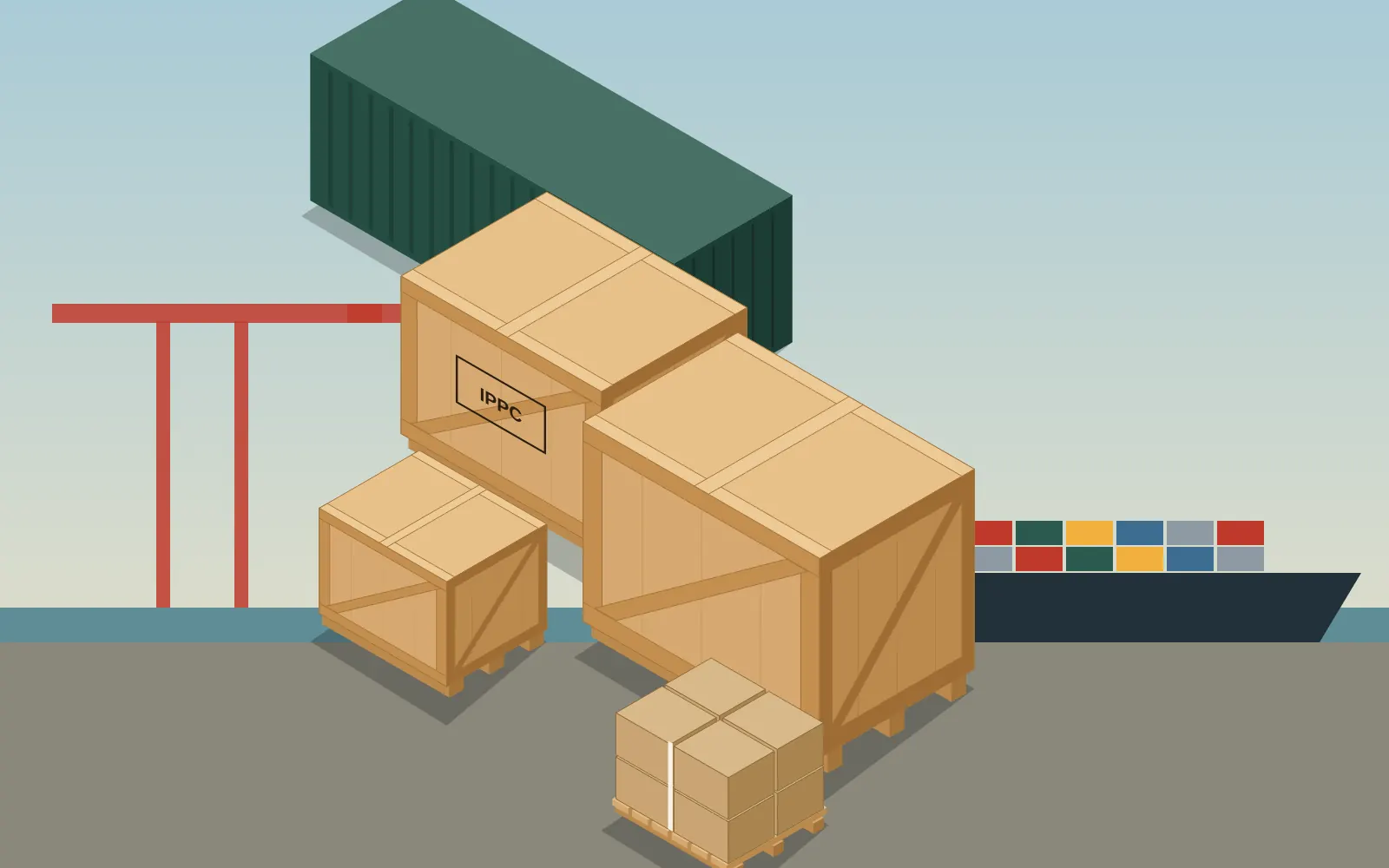
ISPM-15 export crating and seaworthy, moisture-proof packaging for ocean and air freight leaving Dallas–Fort Worth, coordinated with your freight forwarder.
Learn more →
Custom wood crates planned around weight and route.
Learn more →
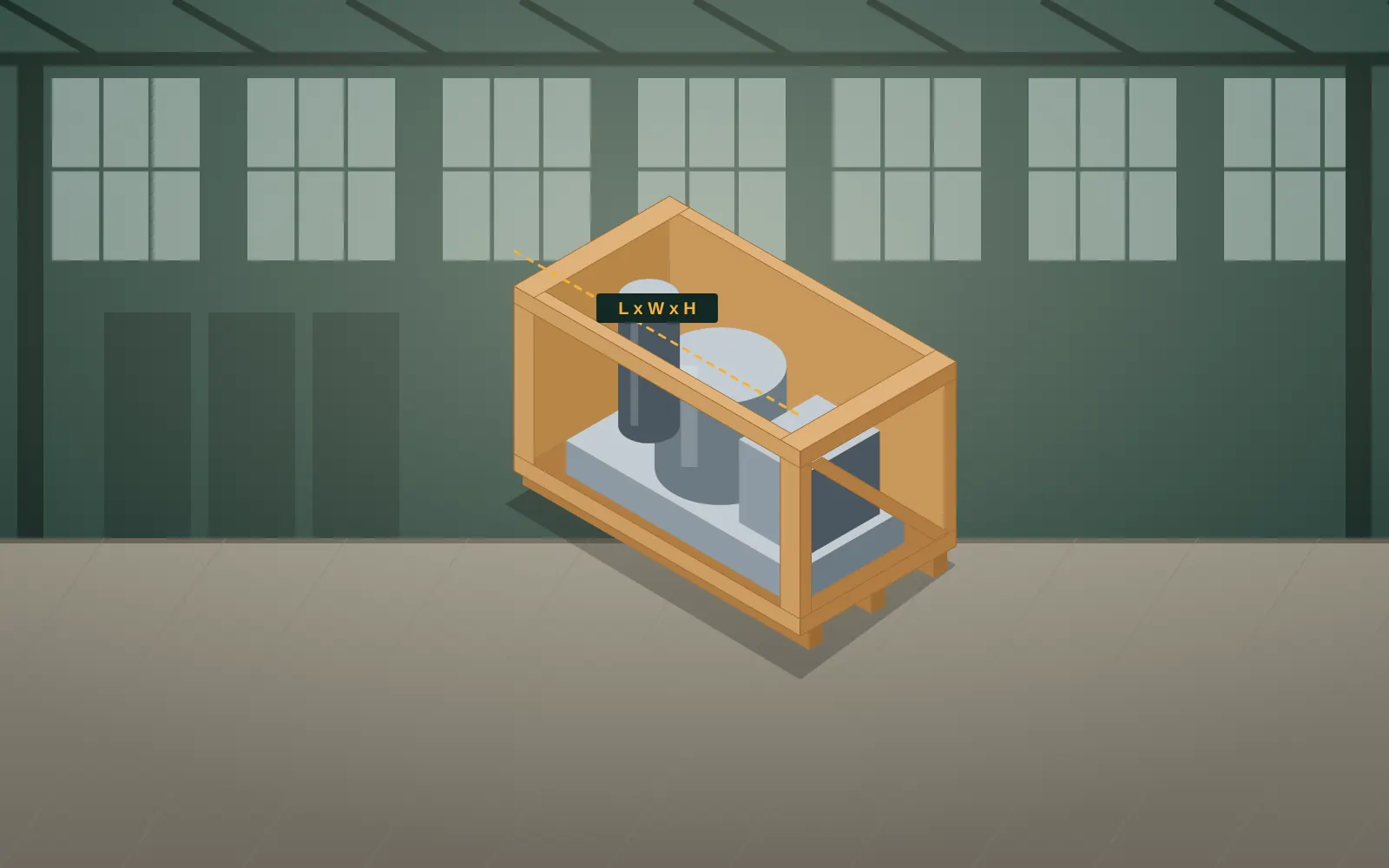
The measurements, photos and details we need for an accurate crate quote.
Learn more →
Crates Manufacturer is ISO 9001 certified and C-TPAT compliant, and builds to ISPM-15, MIL-STD-2073, MIL-STD-129 and ASTM requirements for export and defense shipments.
Learn more →Send dimensions, weight, photos and destination. We'll recommend the right crate and send a quote.