Serving Dallas–Fort Worth & East Texas214-233-6619

Automotive & EV manufacturers

Automotive & EV Manufacturers Crating & Protective Packaging

Packaging for tooling, production equipment, prototype vehicles parts and EV components that keeps lines running and parts damage-free.

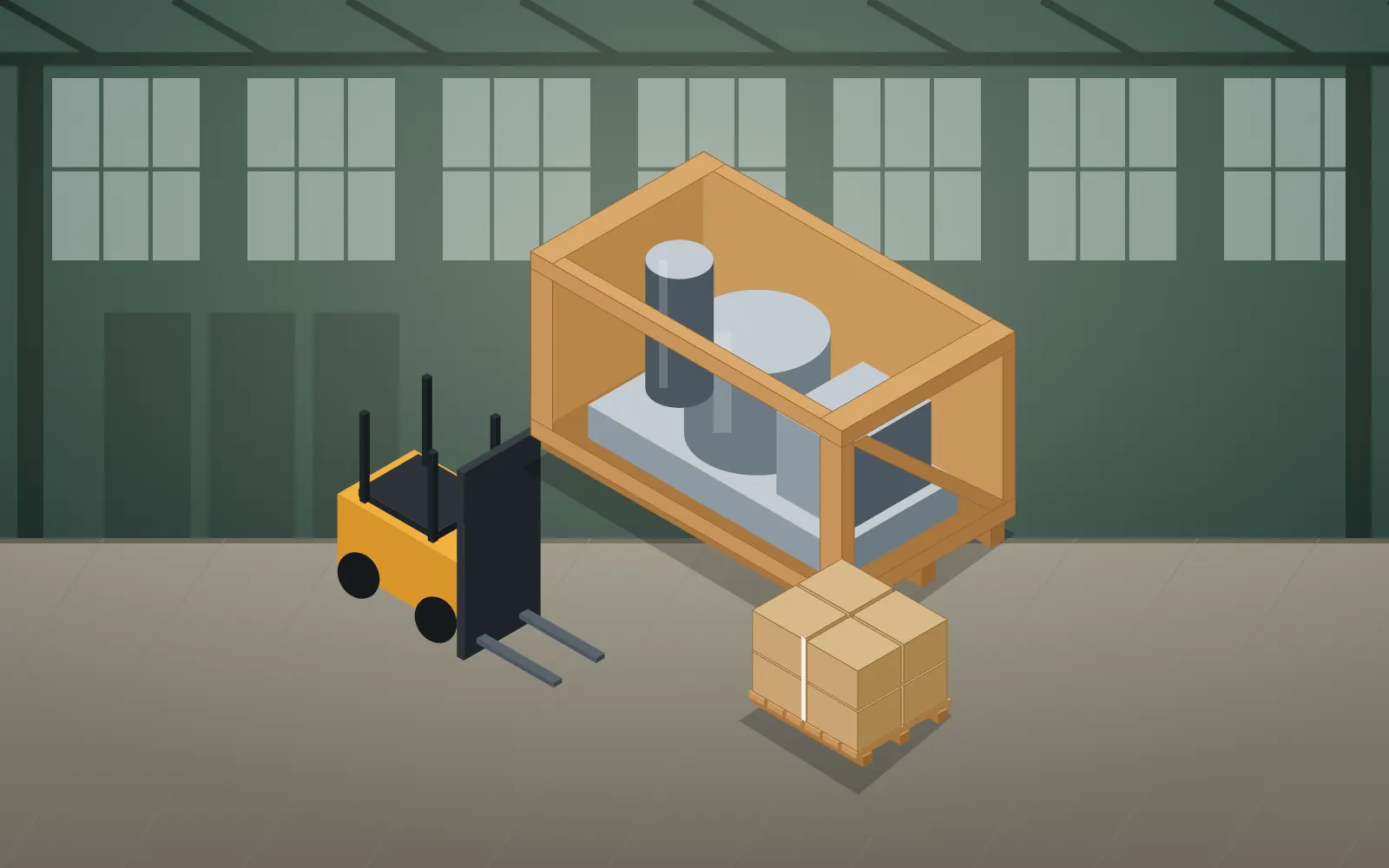
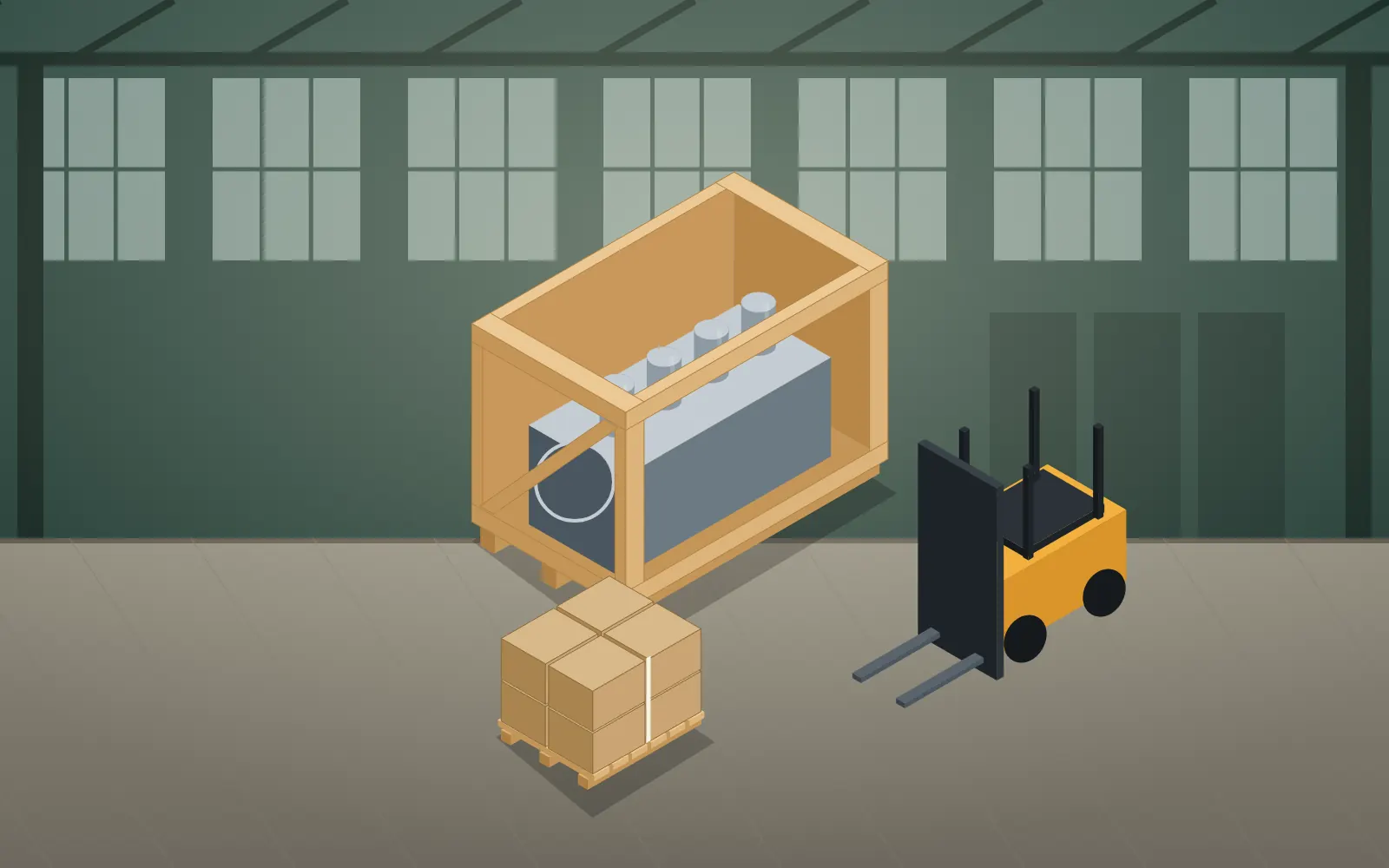
Engine assembly crated on a skid in an automotive plant warehouse
ISPM-15 export-readyISO 9001 certifiedMIL-STD compliantSame-day quotes available

What packaging do automotive and EV manufacturers need?

Automotive and EV manufacturers need heavy-duty crates for tooling, dies and production equipment, returnable and build-to-order packaging for recurring parts flows, and specialized packaging for battery modules and electronics. EV battery shipments must also follow hazardous materials rules for lithium batteries, which the shipper is responsible for meeting.

Automotive production runs on schedules measured in minutes. North Texas is home to major vehicle assembly in Arlington, truck production in Denton and a large network of Tier 1 and Tier 2 suppliers. A damaged die, a missing crate of parts or a robot delayed in transit can halt a line.

Packaging Challenges

  • Heavy, dense tooling and dies.
  • Production equipment and robots moved between plants.
  • High-volume parts flows that need consistent, returnable packaging.
  • Lithium battery modules with strict handling and hazmat requirements.
  • Launch timelines for new models.

What We Crate

  • Stamping dies, molds and fixtures.
  • Conveyors, robots and assembly line equipment.
  • Engines, transmissions, motors and drive units.
  • EV battery modules and power electronics (packaging to shipper's hazmat requirements).
  • Prototype and test components.
  • Service parts and kits.

Services Most Used

Frequently Asked Questions

Yes. Dies and molds are crated on heavy skids with bolted restraint and rust protection on machined surfaces.

We build protective packaging to the shipper's specifications. Lithium battery shipments are regulated as dangerous goods, and classification, UN-certified packaging requirements and documentation are the shipper's responsibility.

Yes. We crate production equipment on-site and coordinate with riggers and carriers.

Yes. Reusable wood, plastic and steel-frame containers suit closed-loop supplier lanes.

Yes. Build-to-order and VMI programs deliver crates timed to your production.

Yes. We serve plants and suppliers throughout Arlington, Grand Prairie, Denton and the rest of DFW.

How a Custom Crating Project Works

  1. 1

    Consultation & assessment

    Send photos, dimensions, weight and the destination. We confirm handling points, fragility and any export or spec requirements.

  2. 2

    Custom design

    We size the crate, choose lumber, plywood, foam and barrier materials, and plan blocking, bracing and skids around the load.

  3. 3

    Build & validation

    The crate is cut and assembled in our shop or at your dock, with fit checks, fastener and skid sizing matched to the weight.

  4. 4

    Pack, mark & deliver

    Your item is secured, sealed, marked and documented, then handed to your carrier, delivered locally or stored.