
Serving Dallas–Fort Worth & East Texas214-233-6619

Heat-treated, stamped and customs-ready

ISPM-15 Export Crating

Export crates built from ISPM-15 heat-treated lumber with the official mark, ready for international shipment by air or ocean.

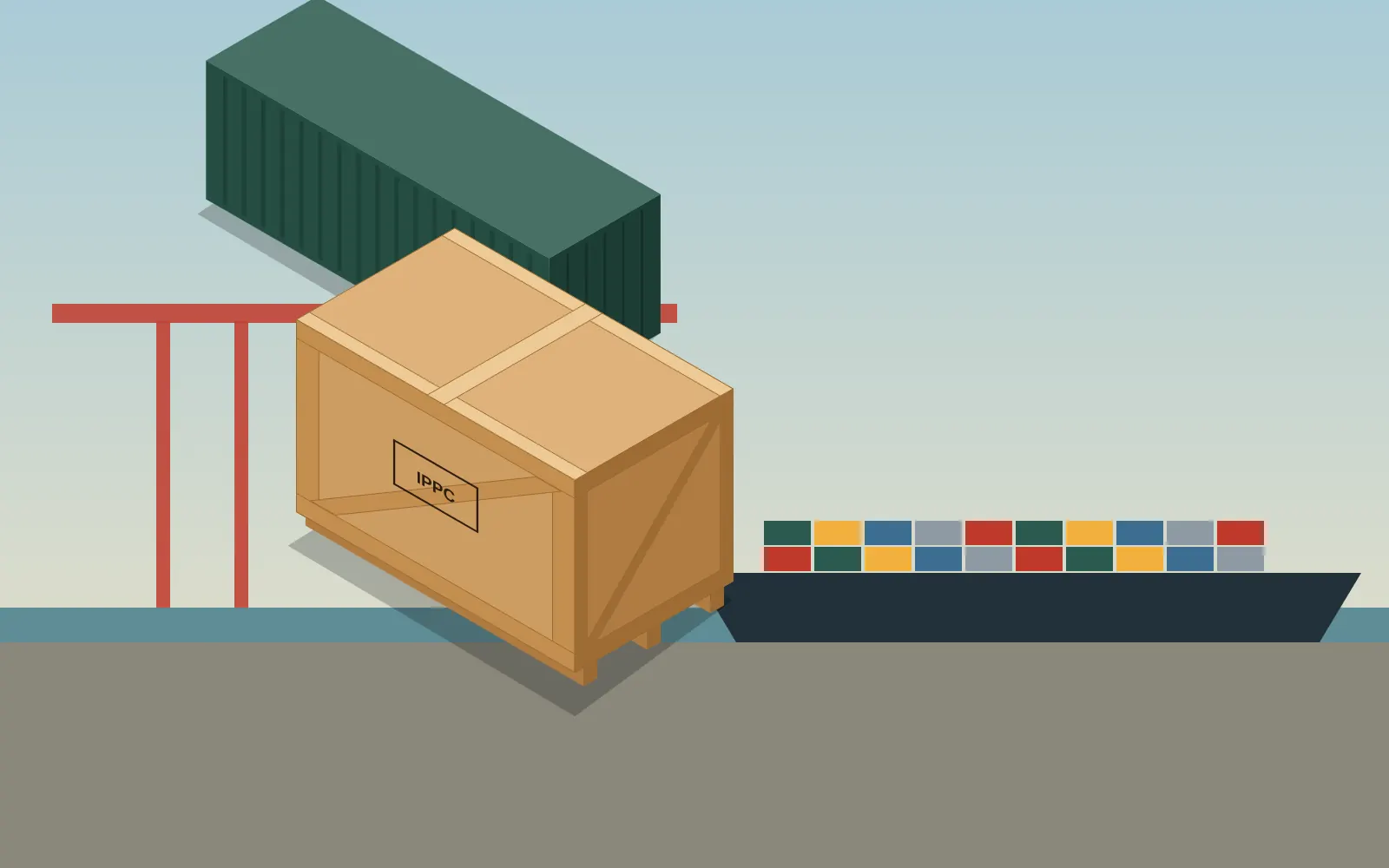
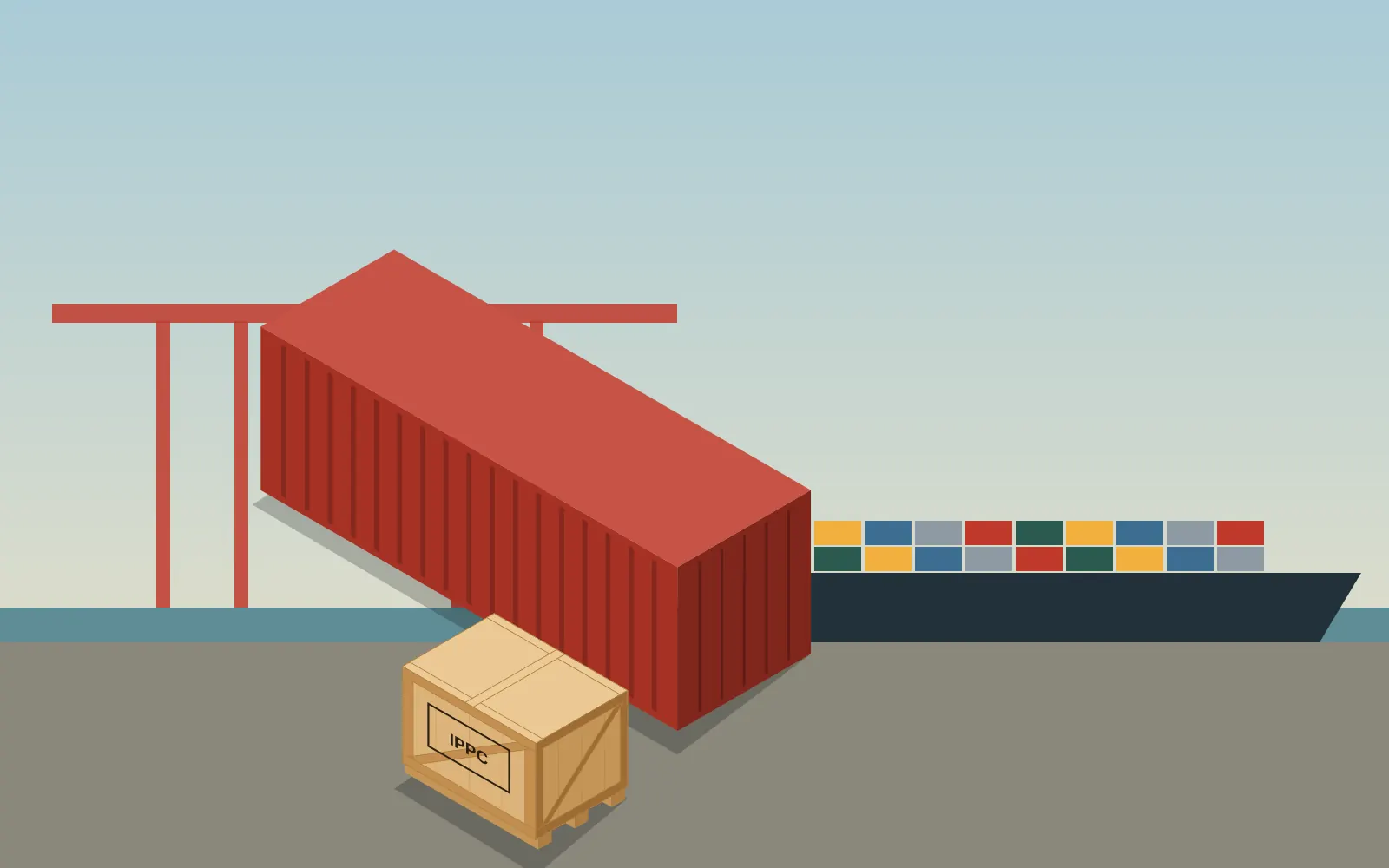
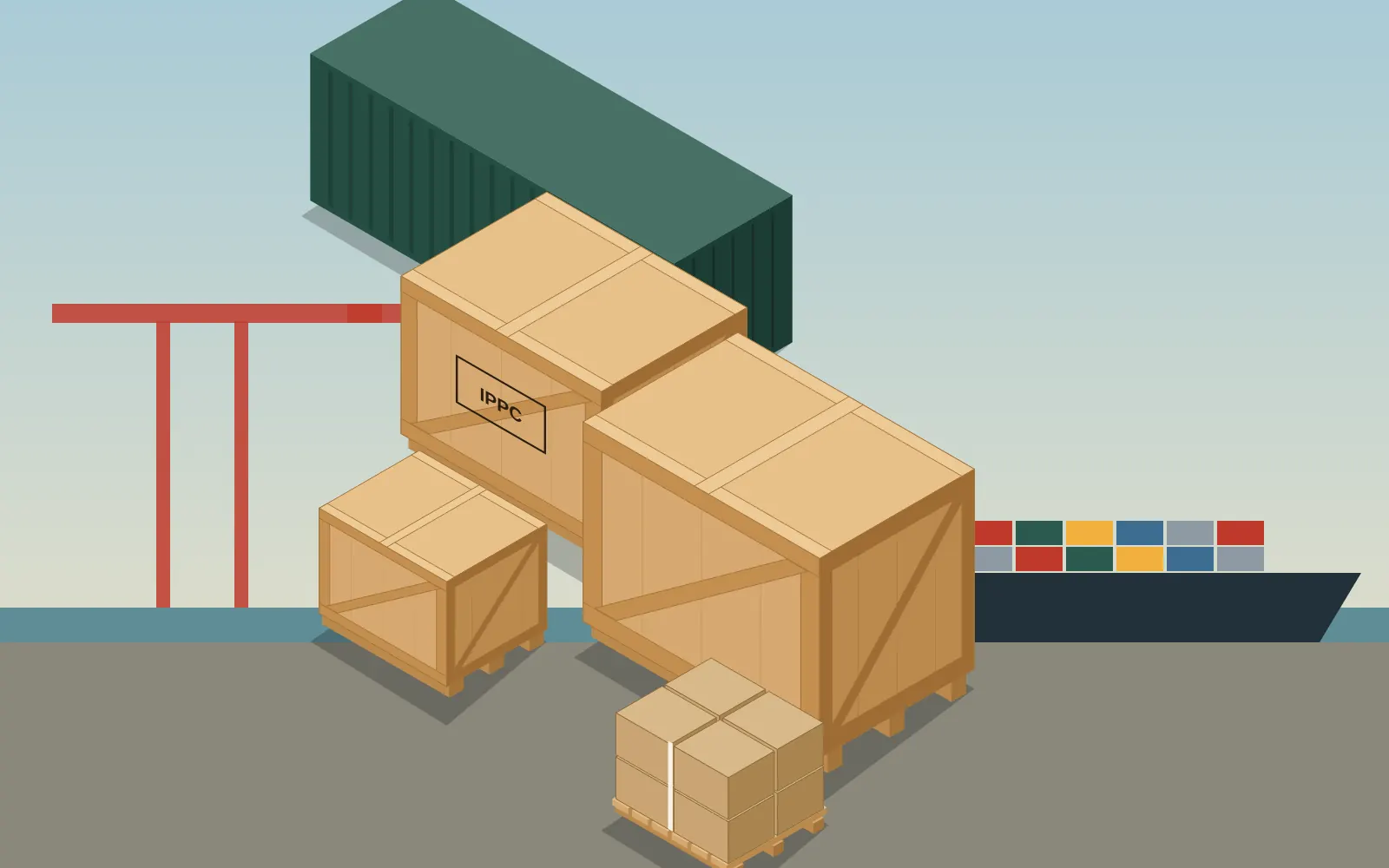
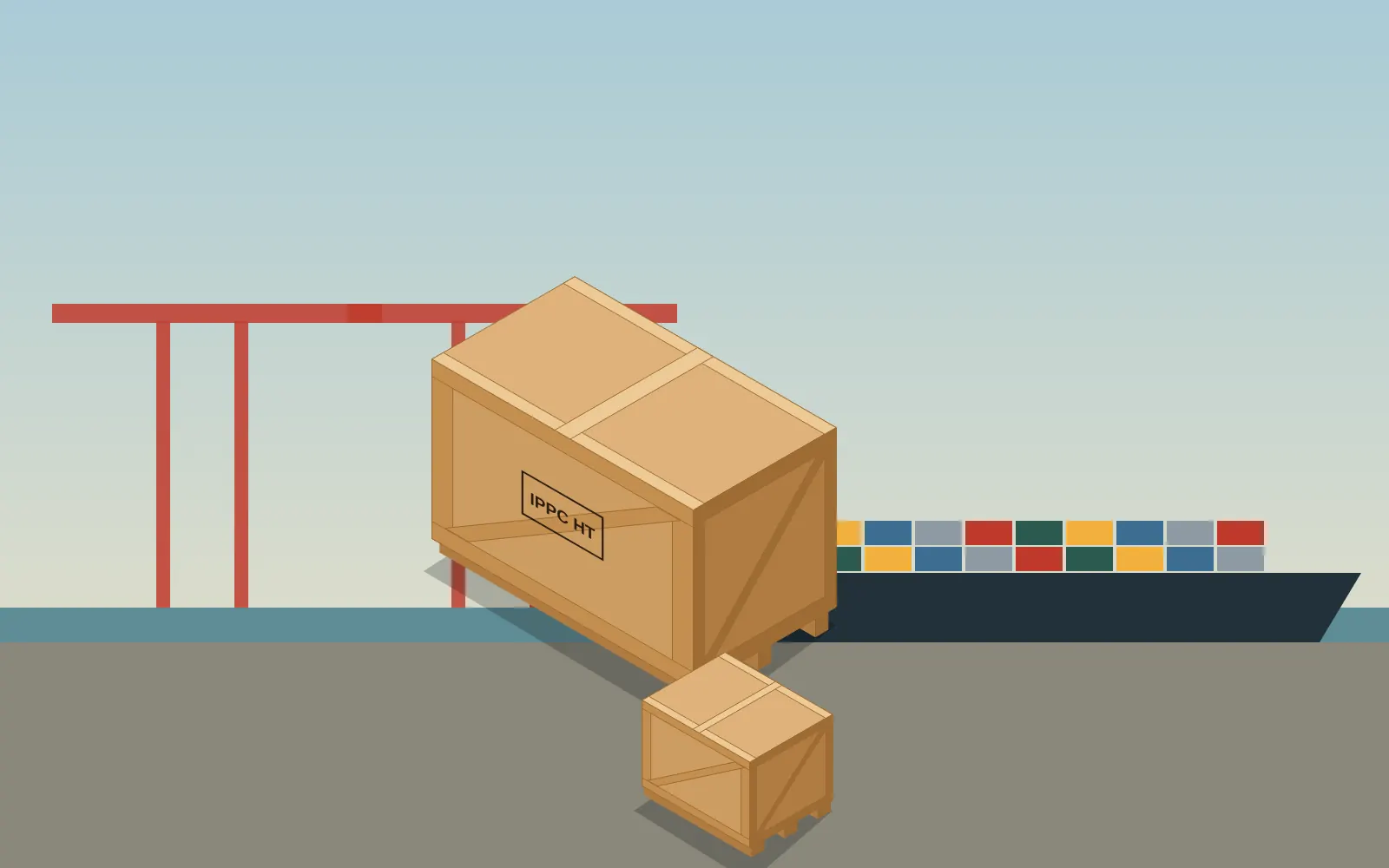
Export crate with ISPM-15 IPPC heat-treatment stamp at a container port in front of a cargo ship
ISPM-15 export-readyISO 9001 certifiedMIL-STD compliantSame-day quotes available

What is ISPM-15 export crating?

ISPM-15 export crating is wood packaging built for international shipment using solid lumber that has been heat treated (core temperature of 56°C for 30 minutes) or fumigated, and stamped with the IPPC mark. The standard prevents wood-boring pests from spreading between countries. Plywood and OSB are exempt, but any solid wood skids, cleats or blocking must be treated and marked.

Why ISPM-15 Matters

Customs authorities in most countries inspect wood packaging. Crates, pallets or dunnage without a valid ISPM-15 mark can be refused, treated at your expense, destroyed or sent back, delaying your shipment and the customer waiting for it. Building compliant packaging from the start avoids all of that.

What the ISPM-15 Mark Shows

  • The IPPC logo.
  • The two-letter country code (US).
  • The unique number of the treatment provider or facility.
  • The treatment code, HT for heat treatment (or MB for methyl bromide, which many countries restrict).
  • Sometimes the certifying agency's logo.

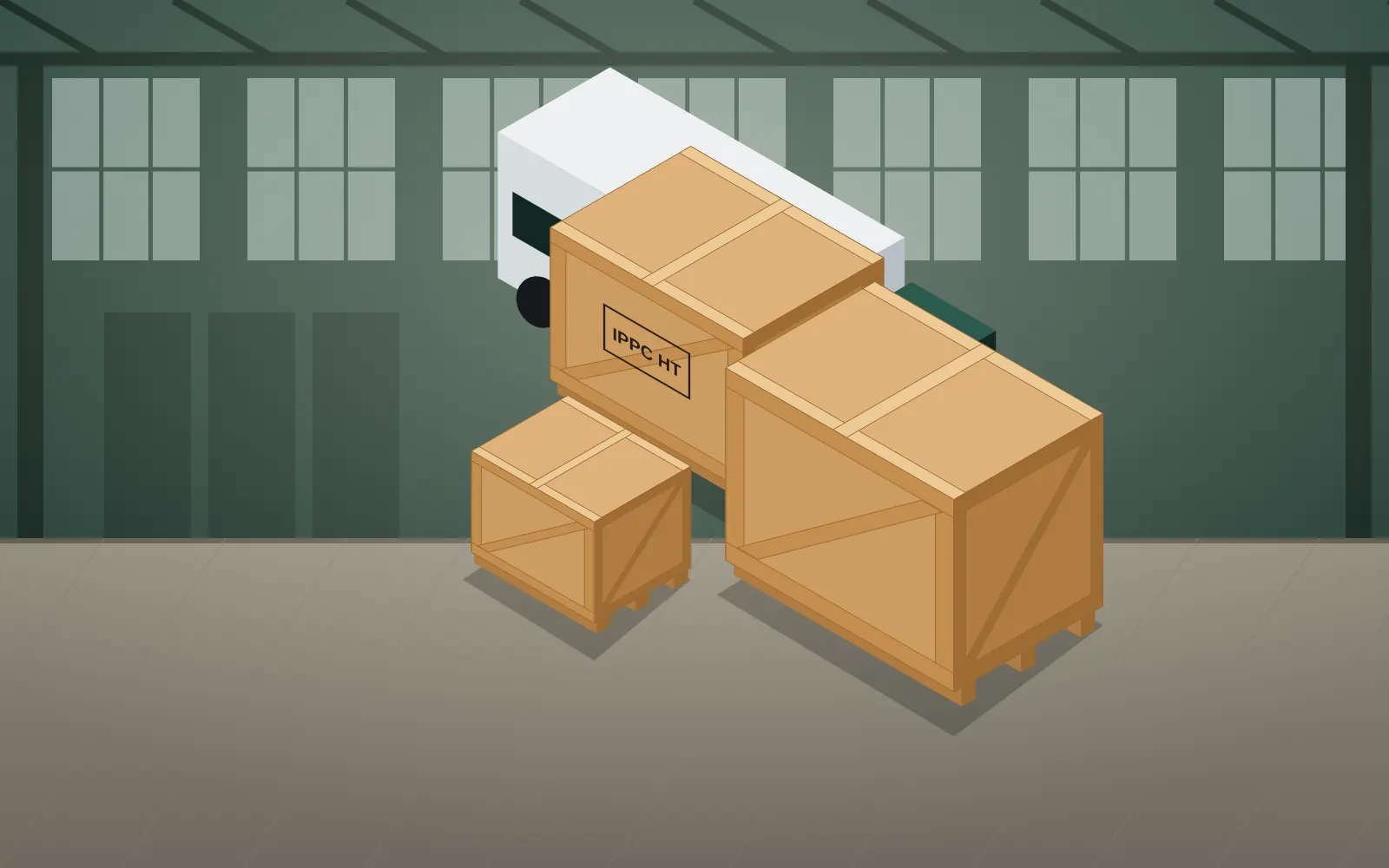
The mark must be legible, permanent and visible on at least two opposite sides of the wood packaging.

How We Build Compliant Export Crates

Certified materials

We source heat-treated lumber stamped by accredited providers, and use exempt plywood or OSB for panels.

Keep marks visible

Crates are designed so stamps remain visible on opposite sides after assembly.

Treated dunnage too

All blocking, bracing and skids that leave the country are treated and marked, not just the crate.

Export-grade construction

Heavier framing, sheathed roofs, and moisture protection for ocean freight; see seaworthy crating.

Export Crating From Dallas–Fort Worth

DFW is a major export gateway, with DFW International Airport for air cargo and rail and truck connections to the ports of Houston, the Gulf Coast and the West Coast. We build export crates for shipments leaving by air and ocean and coordinate with your freight forwarder.

Learn more in our ISPM-15 wood packaging guide.

ISPM-15 stamped crate ready for air freight at an airport
ISPM-15 applies to air and ocean shipments alike.

Frequently Asked Questions

If your shipment uses solid wood packaging, including crates, skids, pallets or dunnage, nearly every country requires it to be ISPM-15 treated and marked. Packaging made entirely of plywood, OSB or other processed wood is exempt.

Mexico requires ISPM-15 for wood packaging. Canada and the U.S. have a bilateral exemption for wood packaging of U.S. or Canadian origin, but many shippers use ISPM-15 wood anyway to avoid issues. Check current rules with your forwarder.

HT stands for heat treatment, meaning the wood was heated to a core temperature of at least 56°C for at least 30 minutes to kill pests.

Only if all solid wood components are already treated and marked. Untreated lumber must be replaced with treated, stamped lumber.

Yes. ISPM-15 applies to wood packaging in international trade regardless of transport mode.

Many export crates are completed within a few business days, and rush builds are available. Same-day quotes are available for most requests.

The ISPM-15 mark on the wood is the evidence of compliance. We also provide dimensions, weights and packing lists for your forwarder's export documents.

We build export crates for the route. Ocean shipments get enclosed construction and moisture protection; see our seaworthy crating service.

How a Custom Crating Project Works

  1. 1

    Consultation & assessment

    Send photos, dimensions, weight and the destination. We confirm handling points, fragility and any export or spec requirements.

  2. 2

    Custom design

    We size the crate, choose lumber, plywood, foam and barrier materials, and plan blocking, bracing and skids around the load.

  3. 3

    Build & validation

    The crate is cut and assembled in our shop or at your dock, with fit checks, fastener and skid sizing matched to the weight.

  4. 4

    Pack, mark & deliver

    Your item is secured, sealed, marked and documented, then handed to your carrier, delivered locally or stored.