Serving Dallas–Fort Worth & East Texas214-233-6619

Engineered for payloads over 20,000 lb

Heavy-Duty Crating for 20,000 lb Equipment

Reinforced skids, steel elements and rigging-ready lift points for the heaviest equipment that leaves North Texas.

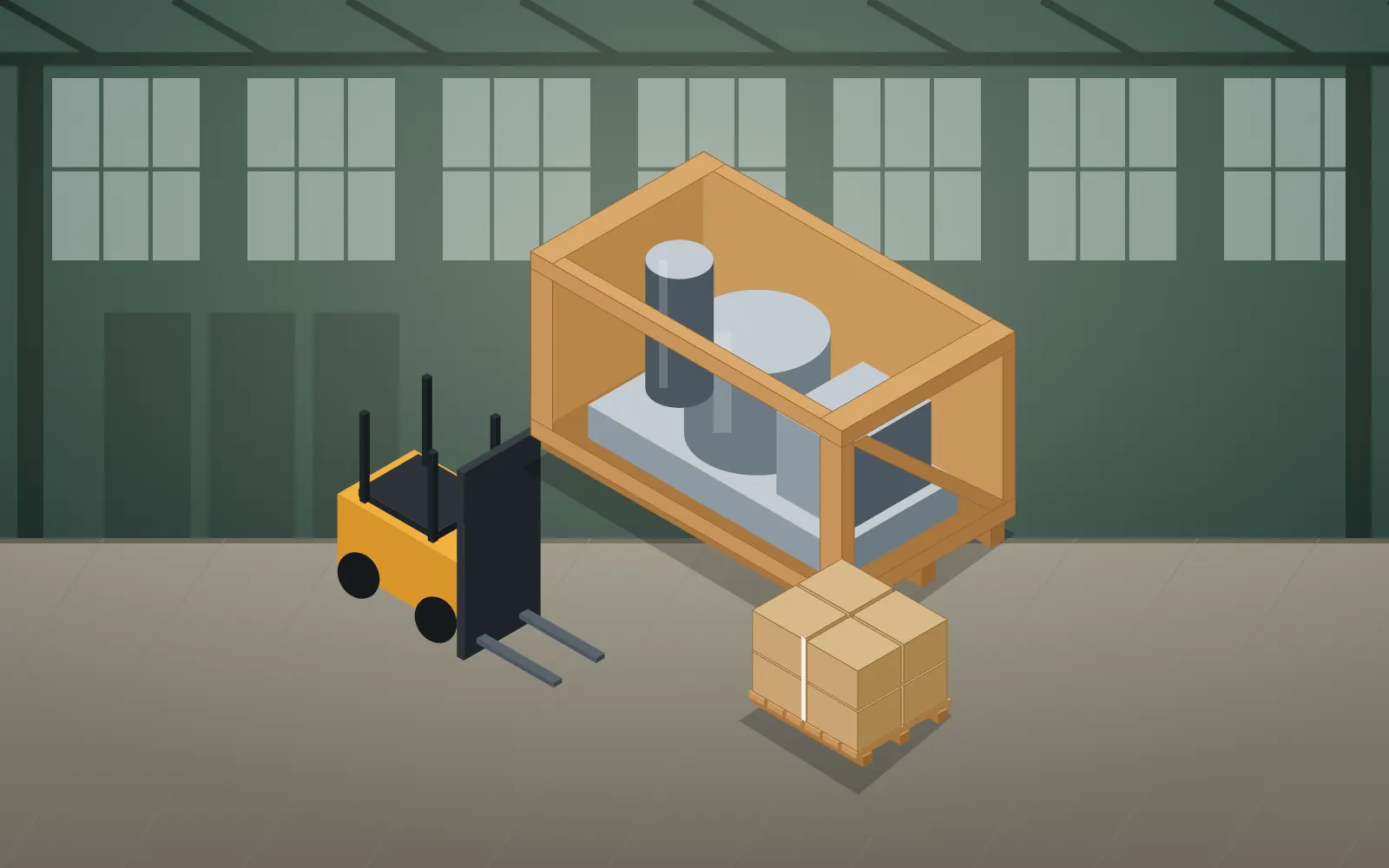
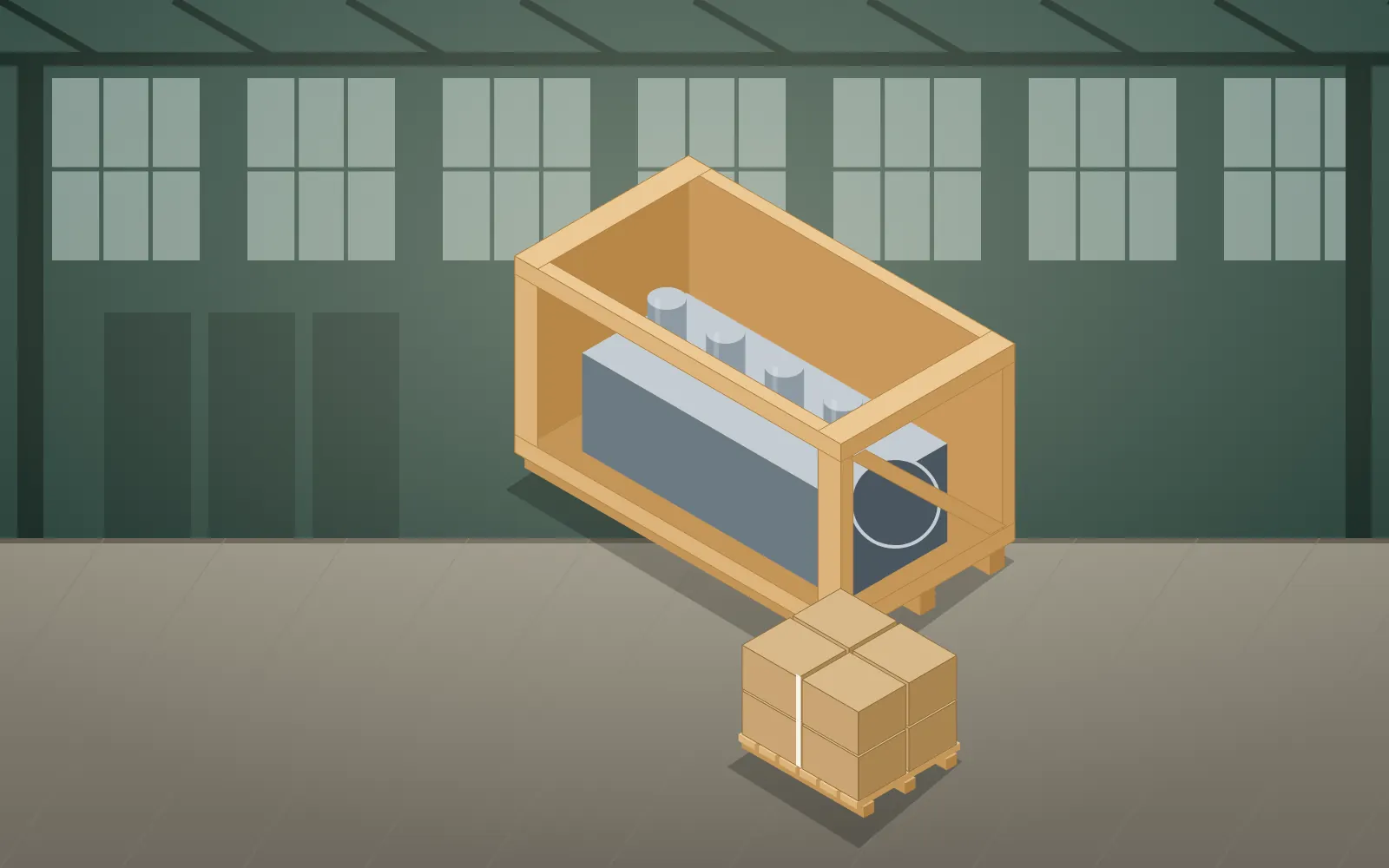
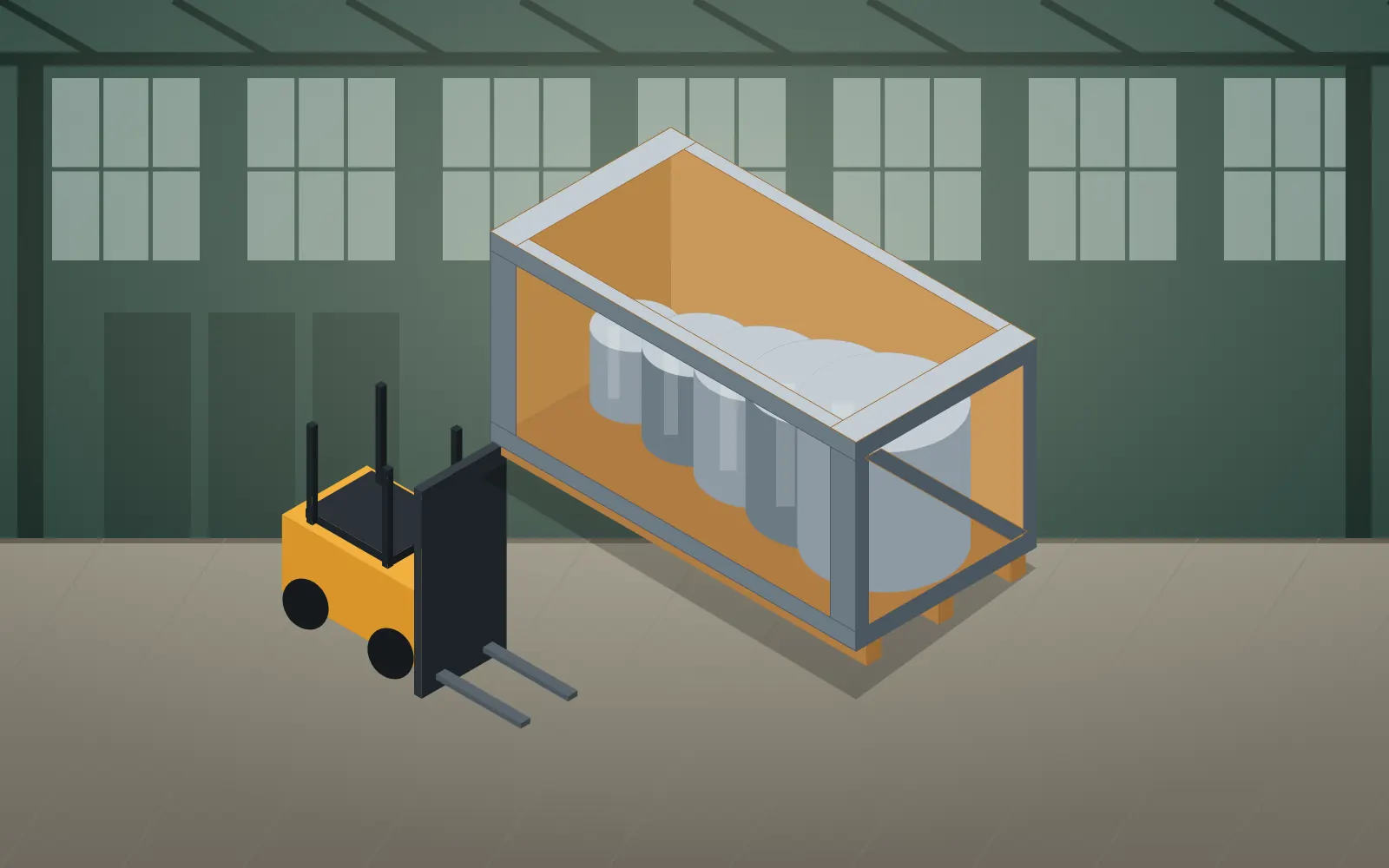
Very large equipment on a reinforced heavy-duty crate base with steel elements and crane lift points
ISPM-15 export-readyISO 9001 certifiedMIL-STD compliantSame-day quotes available

How do you crate equipment that weighs over 20,000 lb?

Equipment over 20,000 lb is crated on an engineered base with multiple heavy runners, often laminated timbers or steel members, sized to carry the load between lift points. The equipment is bolted to the base, the crate is designed around the crane or forklift lifting plan, and the center of gravity, sling points and weight are clearly marked.

When Standard Crating Is Not Enough

Above roughly 20,000 lb, ordinary crate construction runs out of margin. Skid runners must span between lift points without sagging, fasteners must resist shear under braking and crane loads, and the crate must survive being dragged, jacked or lifted by equipment that does not care how carefully it was built. Heavy-duty crates are engineered for those forces.

Design Elements

  • Laminated or oversized timbers for runners and cross members.
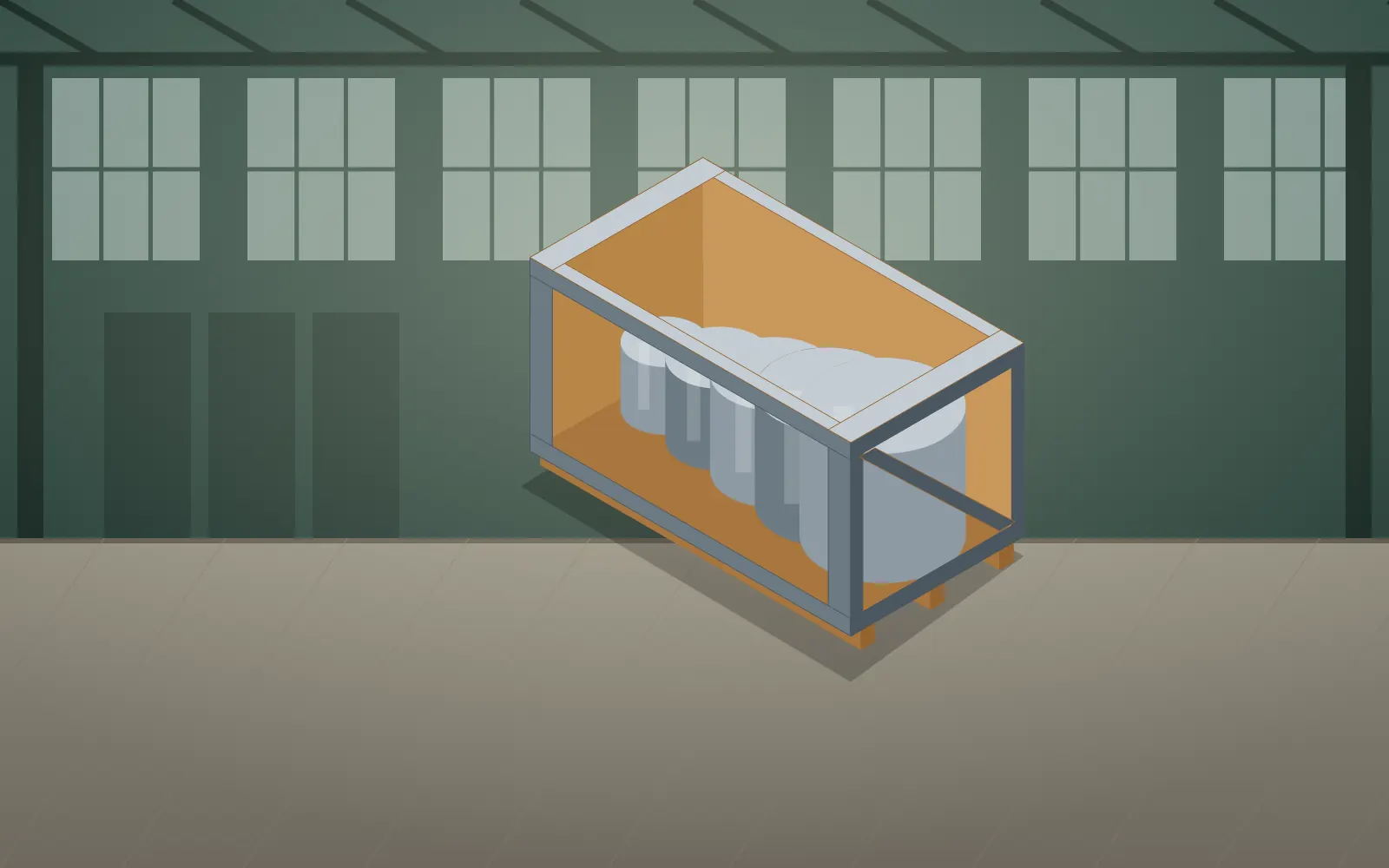
  • Steel elements such as channels, plates or full steel frames where wood alone would be too large.
  • Through-bolted restraint sized to the equipment's mass and the transport mode.
  • Integrated lift points, lifting lugs or spreader-bar locations matched to the rigging plan.
  • Forklift pockets sized for heavy-capacity forks where forklifts will be used.
  • Load-spreading cribbing for trailer decks and flat racks.
  • Clear markings for gross weight, center of gravity and sling locations.

Equipment We Handle

Generators and gensets, transformers, compressors, turbines, large presses, mining components, process skids, heat exchangers, offshore modules and large machine tools.

Planning a Heavy-Duty Crate

Share the data

We need weight, dimensions, center of gravity if known, lifting points, drawings and the transport mode.

Agree on the lifting plan

We coordinate with your rigger, carrier or forwarder on how the crate will be lifted at origin, transfer points and destination.

Build where it makes sense

Very heavy crates are usually built on-site or at the rigger's yard so the equipment is set directly onto the base.

Export and Breakbulk

Heavy-duty crates shipping overseas often travel as breakbulk or on flat racks. We build with ISPM-15 lumber, sheathed roofs and moisture protection, and supply weights and dimensions for stowage planning.

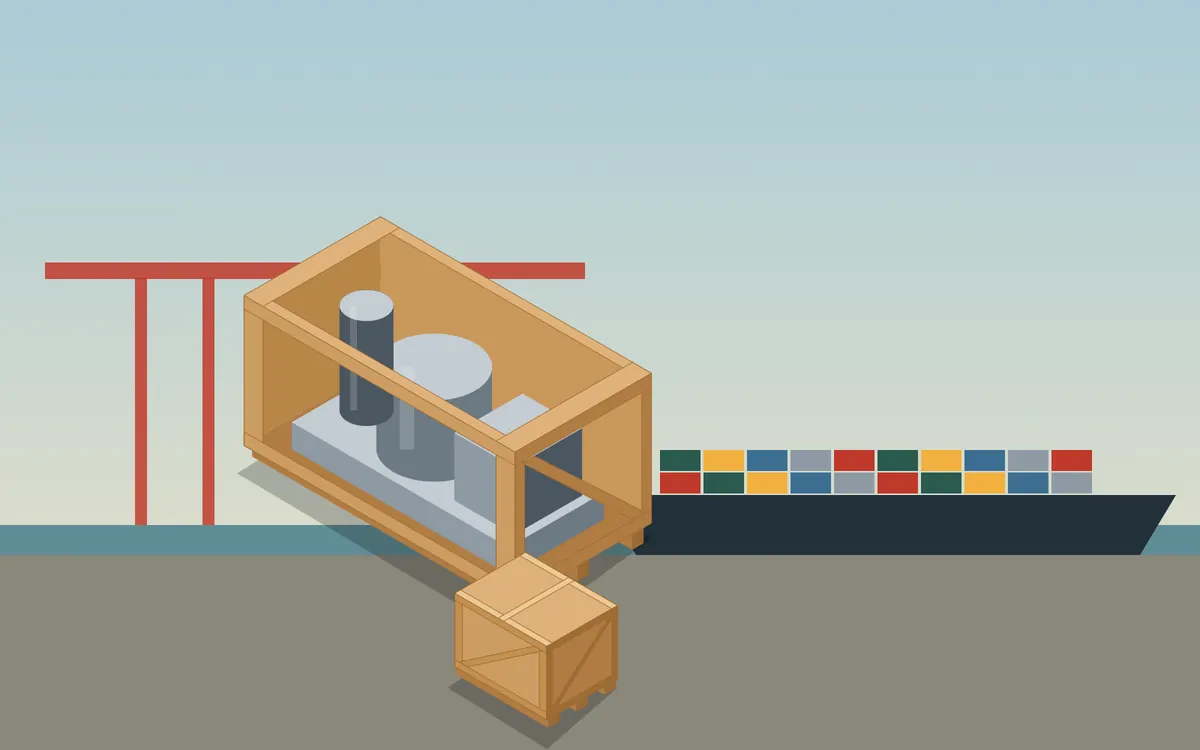
Heavy-duty crated machine staged at a port for crane loading
Heavy-duty crates are designed for the lifting method used at every handoff.

Frequently Asked Questions

There is no fixed limit. We engineer crates and bases for equipment over 20,000 lb, scaling runners, steel elements and fasteners to the load, and coordinate with riggers for very heavy lifts.

When needed. Steel channels, plates or full steel frames are used where wood members would become too large or where the crate will be reused.

A licensed rigger or your maintenance team performs heavy lifts. We build the base to match their lifting plan and are on-site to complete the crate.

Yes. We design lift points, spreader-bar locations or lifting lugs into the crate and mark sling positions.

With gross weight, center of gravity, sling and fork locations, orientation and any handling warnings, plus customer or export marks.

If dimensions and weight allow. Many heavy items ship on flat racks or as breakbulk instead, and we size crates for the planned stowage.

How a Custom Crating Project Works

  1. 1

    Consultation & assessment

    Send photos, dimensions, weight and the destination. We confirm handling points, fragility and any export or spec requirements.

  2. 2

    Custom design

    We size the crate, choose lumber, plywood, foam and barrier materials, and plan blocking, bracing and skids around the load.

  3. 3

    Build & validation

    The crate is cut and assembled in our shop or at your dock, with fit checks, fastener and skid sizing matched to the weight.

  4. 4

    Pack, mark & deliver

    Your item is secured, sealed, marked and documented, then handed to your carrier, delivered locally or stored.