Keep the load exactly where it belongs
Engineered lumber blocking, bracing and tie-downs that stop equipment from shifting inside crates, trailers and containers.
What is blocking and bracing?
Blocking and bracing is the use of lumber blocks, braces, struts and tie-downs to keep a load from moving during transport. Blocks stop sliding, braces resist tipping, and strapping holds the load down. It is used inside crates, on skids, and in trailers, railcars and shipping containers.
A truck that brakes hard, a railcar coupling, a container swinging on a crane or rolling at sea all apply forces to the cargo. Without restraint, a heavy item slides until it hits something. Even a few inches of movement can crack castings, bend frames or punch through crate walls. Blocking and bracing turns the crate or container into a rigid system.
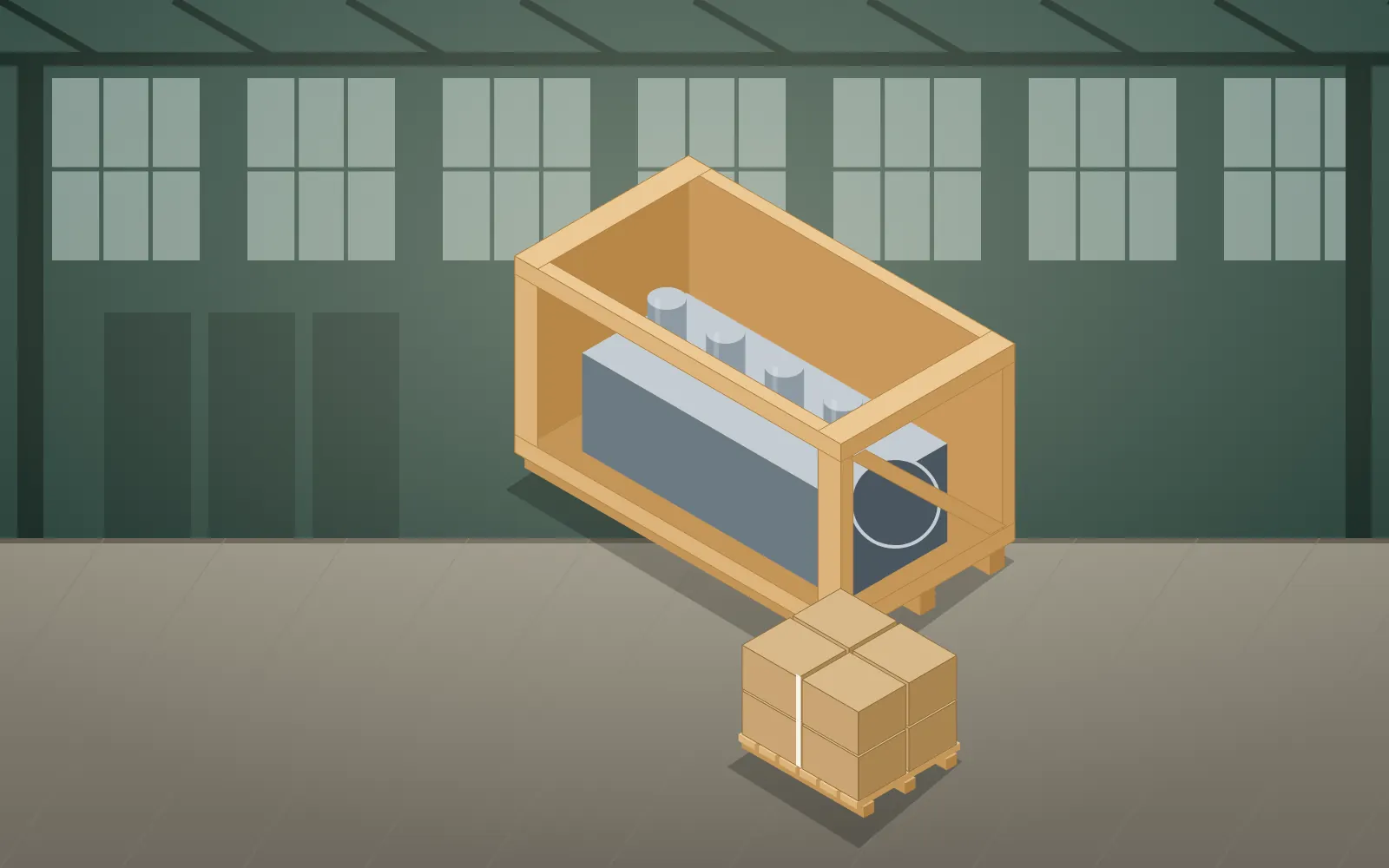
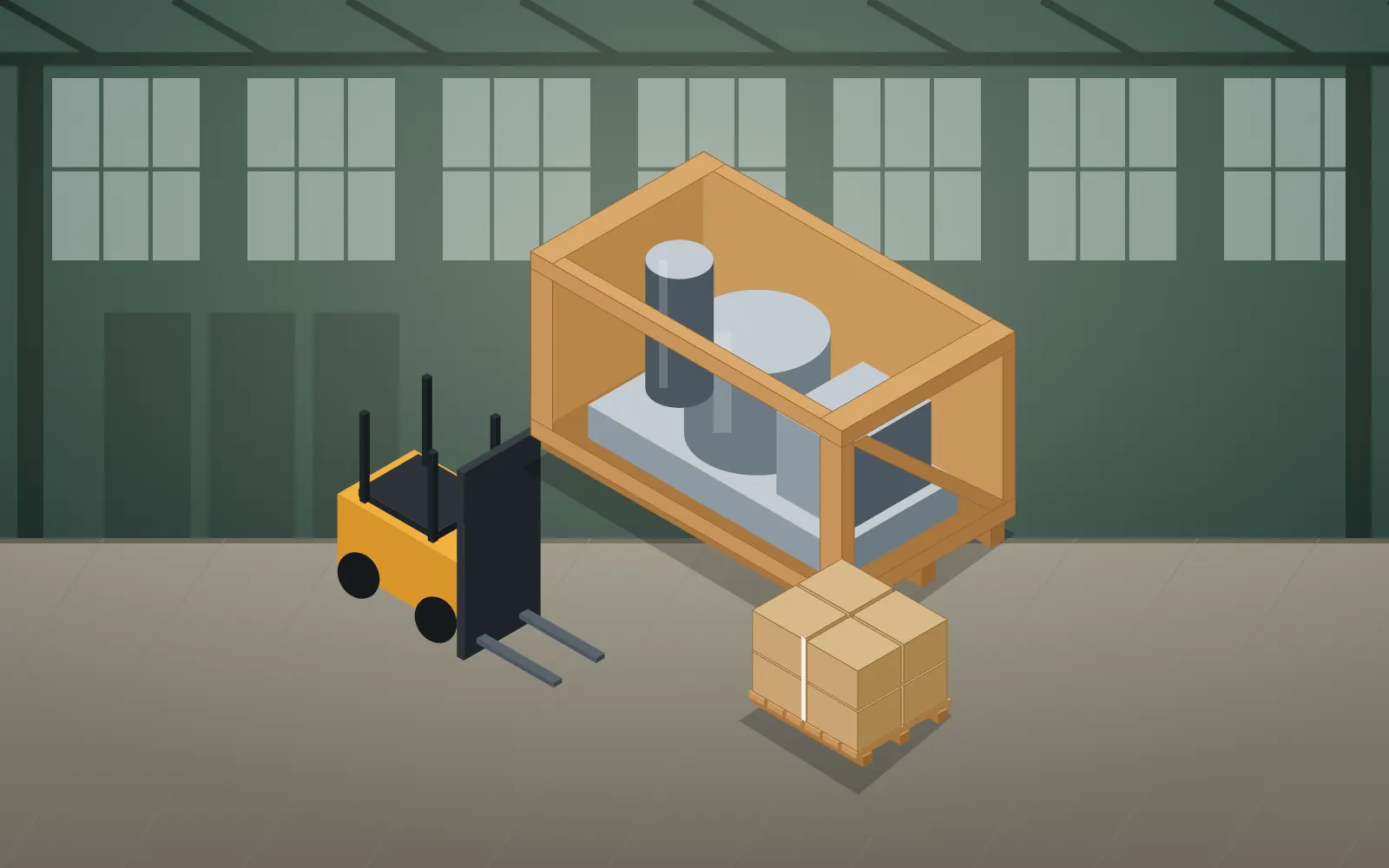
Blocks and braces bear against the item's structural points, such as frames, mounting feet and lifting lugs, not its covers or controls. Heavy items are usually bolted through to the skid as well.
Machinery is bolted down through leveling pad holes or clamped with brackets, with blocking under unsupported areas.
Crates and loose cargo are blocked against walls and each other, with bracing to fill voids so nothing can build momentum. We install ISPM-15 compliant dunnage for export containers.
Cribbing and blocking spread loads and keep cargo from shifting under tie-down tension.
Blocking size and fastening depend on weight and the forces of the transport mode. Rail and ocean shipments generally need more restraint than a short truck move. We follow common industry guidance, such as rail loading rules for intermodal moves, and your carrier's or customer's requirements.
Most blocking and bracing is part of a custom wood crate or heavy machinery crate. For containers bound overseas, see seaworthy crating and international ocean freight packaging.
Blocking is lumber fastened against a load to stop it sliding. Bracing is angled or horizontal members that hold the load against tipping or connect it to walls or other cargo. Most loads need both.
Yes. We can block and brace crates and equipment inside 20 ft and 40 ft containers at your facility, using ISPM-15 dunnage for export loads.
Yes, for international shipments. Any solid wood dunnage, blocking or bracing that leaves the country must be heat treated and marked.
We use custom brackets, cradles, clamps, saddles and strapping that bear on structural points, combined with blocking and foam where needed.
We pad contact points with felt, foam or rubber, and bear against structural members rather than painted covers or panels.
Yes. Rail and intermodal shipments see repeated longitudinal impacts, and we design restraint for those forces.
Send photos, dimensions, weight and the destination. We confirm handling points, fragility and any export or spec requirements.
We size the crate, choose lumber, plywood, foam and barrier materials, and plan blocking, bracing and skids around the load.
The crate is cut and assembled in our shop or at your dock, with fit checks, fastener and skid sizing matched to the weight.
Your item is secured, sealed, marked and documented, then handed to your carrier, delivered locally or stored.

Built-to-spec crates for products, equipment and freight, sized to the inch.
Learn more →
Reinforced crates and skids for industrial equipment of all sizes.
Learn more →
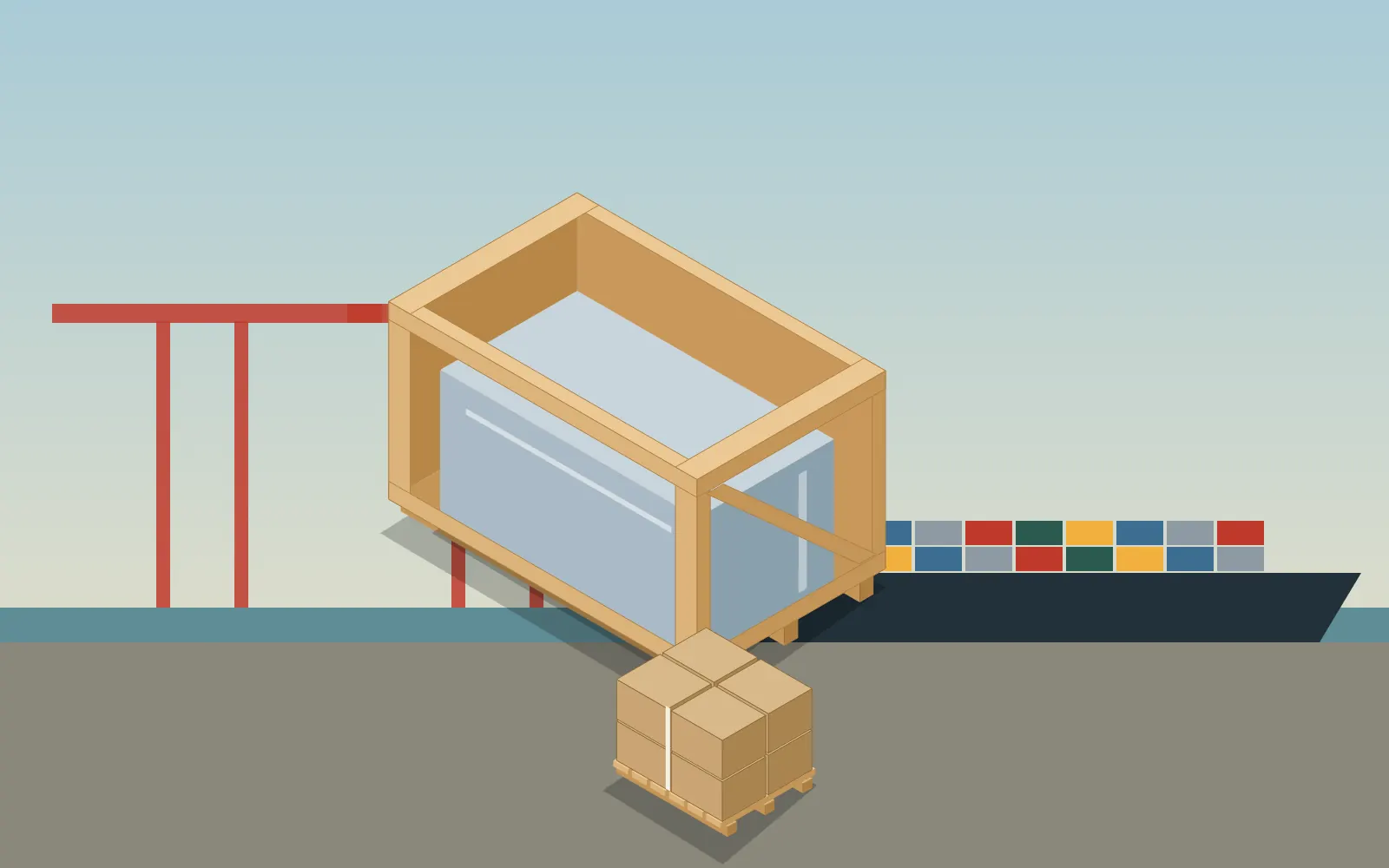
Barrier bags, VCI and desiccant against humidity, salt air and condensation.
Learn more →
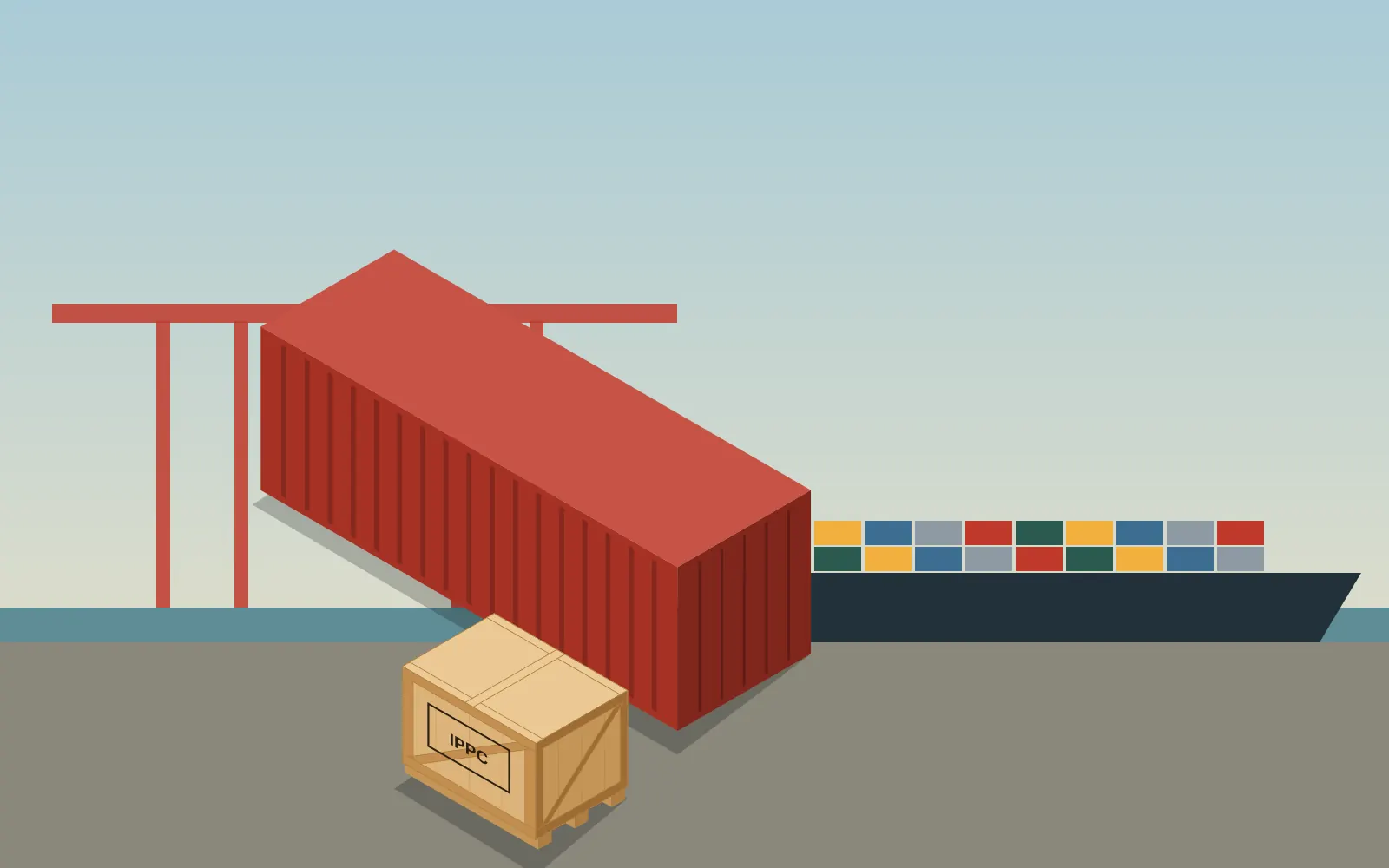
Ocean freight packaging from Dallas: ISPM-15 seaworthy crates, barrier bags and desiccant, container blocking and bracing, and breakbulk crating.
Learn more →
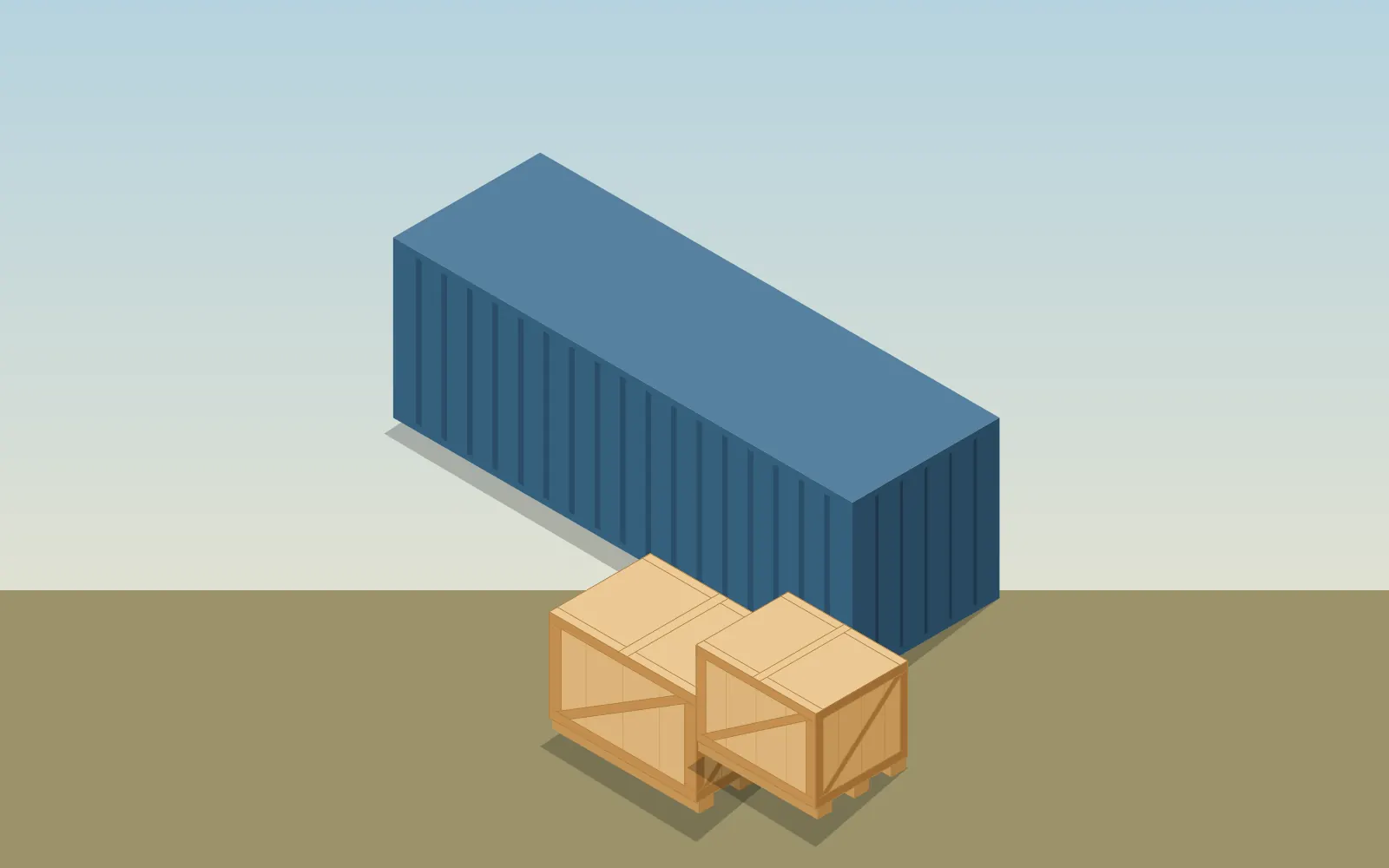
Crating and blocking and bracing for rail and intermodal shipments in Dallas–Fort Worth, designed for coupling impacts, long-haul vibration and container transfers.
Learn more →
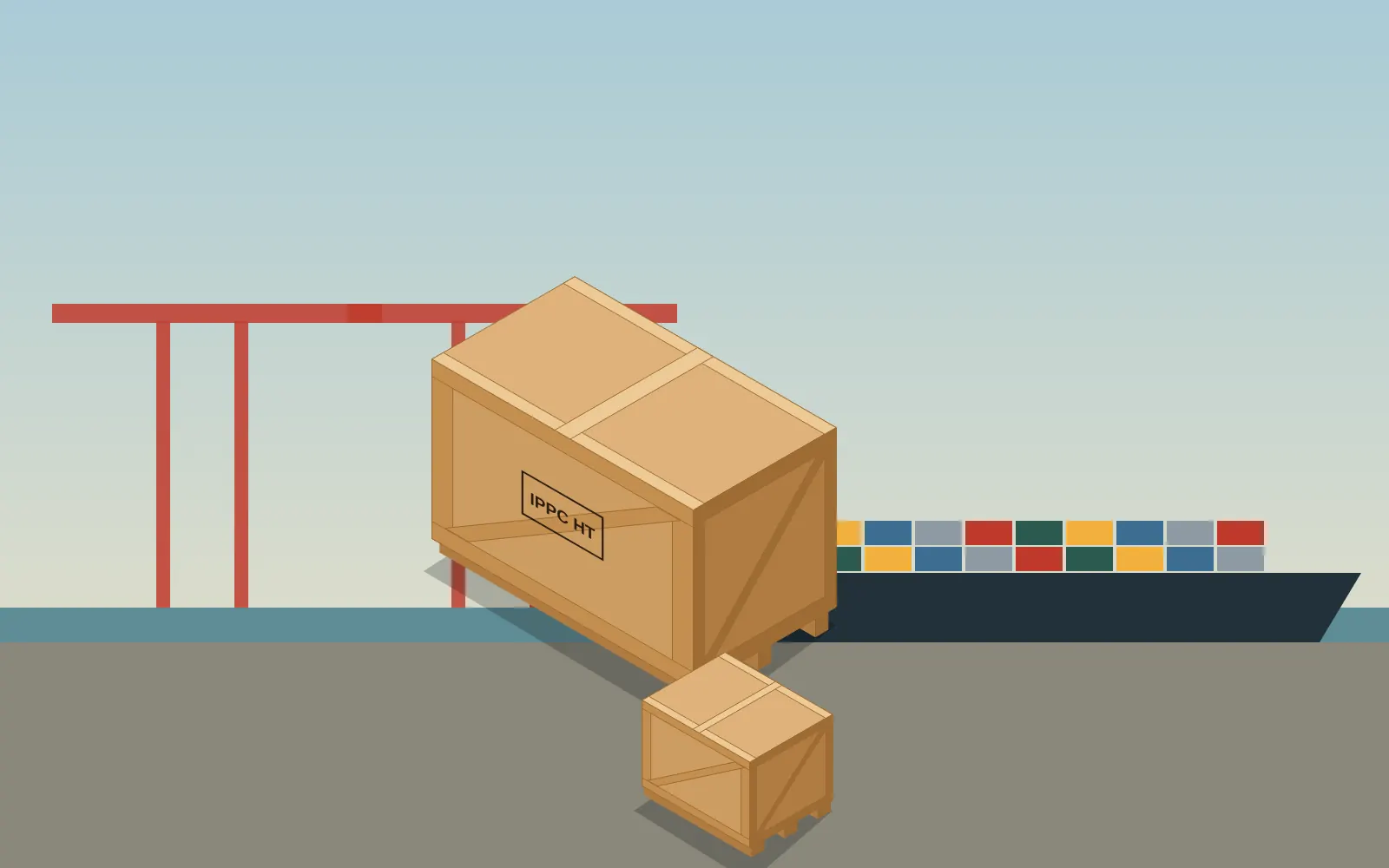
Heat-treated, stamped wood packaging that clears customs worldwide.
Learn more →Send dimensions, weight, photos and destination. We'll recommend the right crate and send a quote.