Serving Dallas–Fort Worth & East Texas214-233-6619

Built-to-spec crates for any product

Custom Wood Crating

Solid-panel, open-frame and cleated plywood crates designed around your item's weight, shape and route, built in our Dallas shop or at your facility.

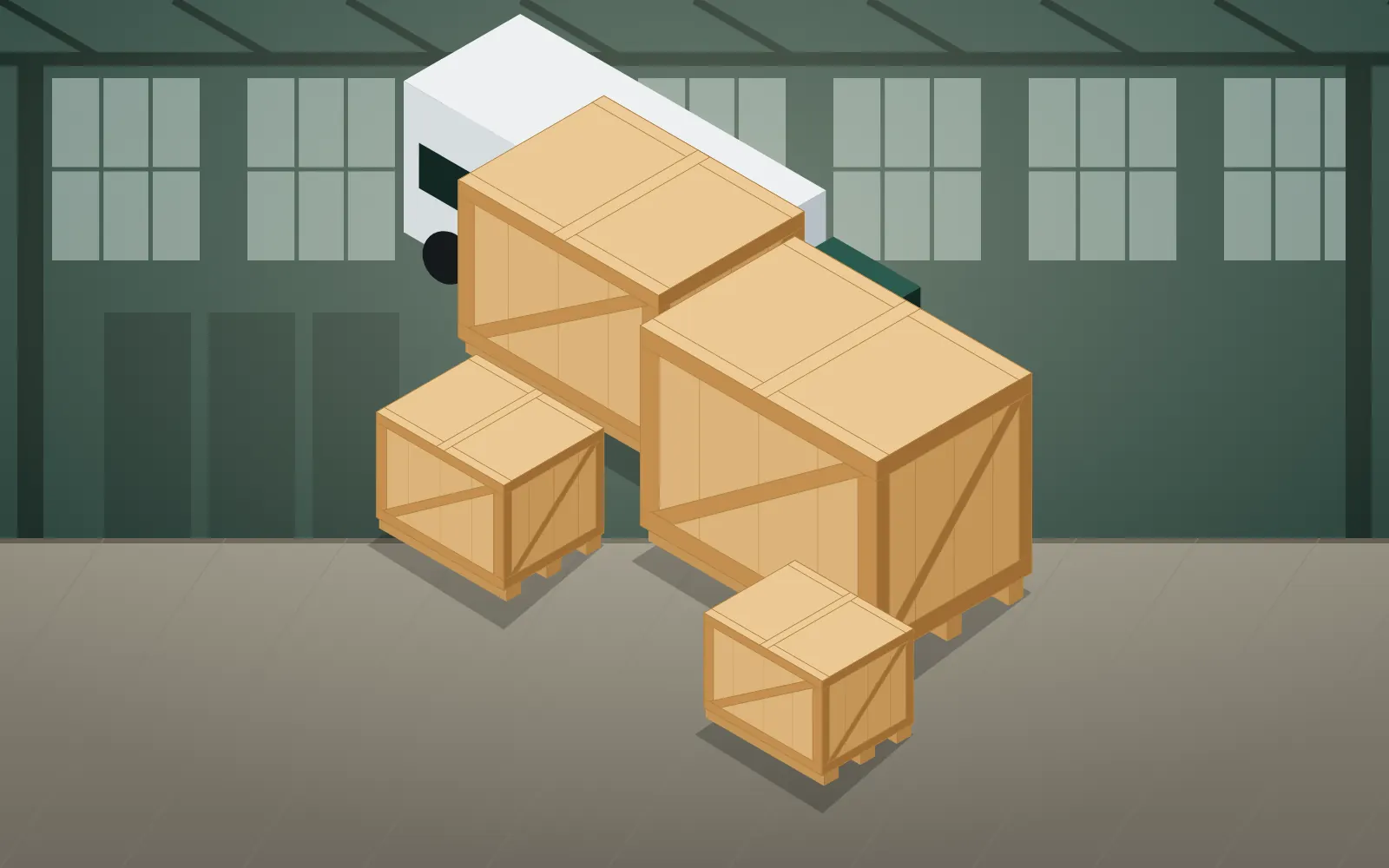
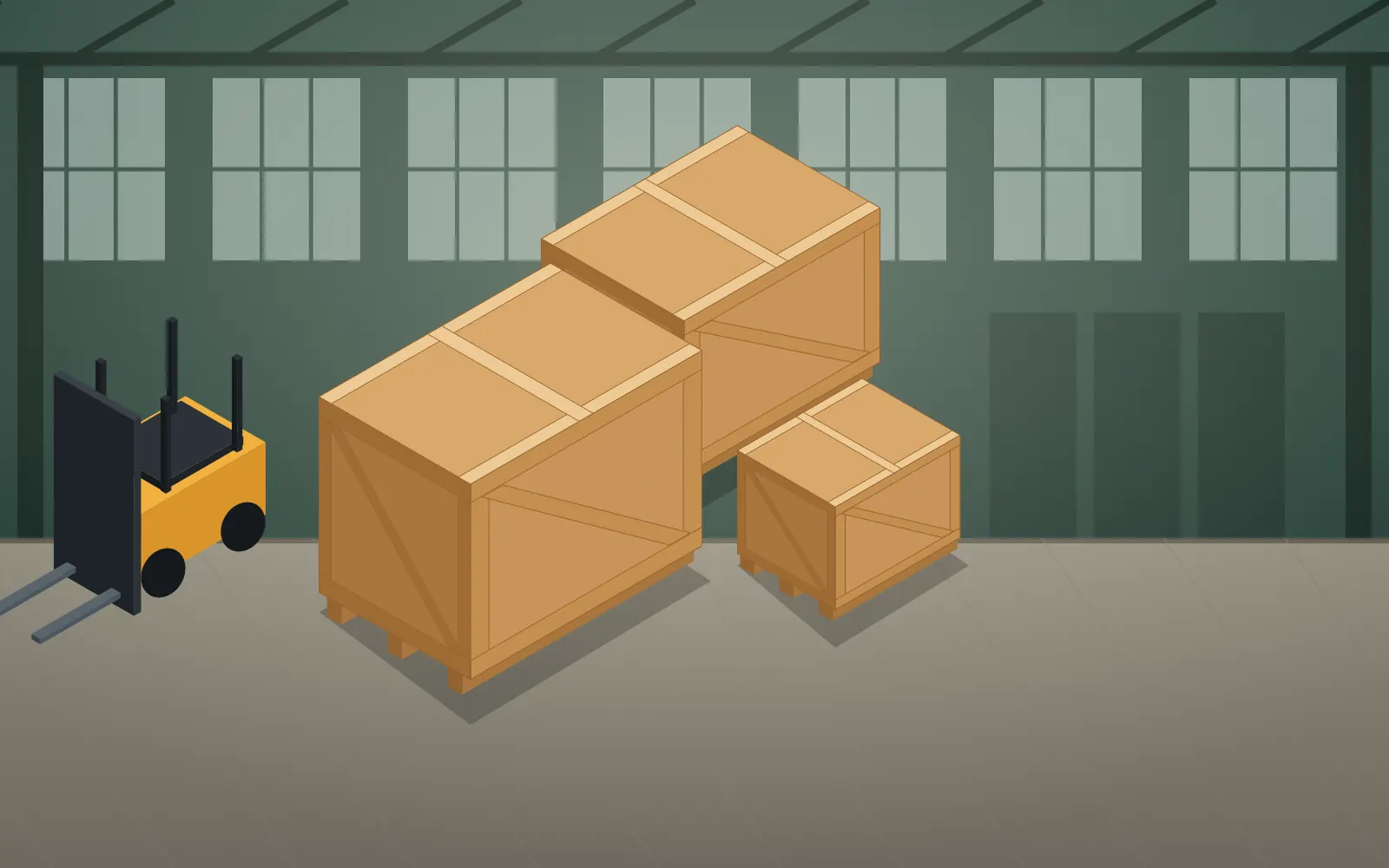
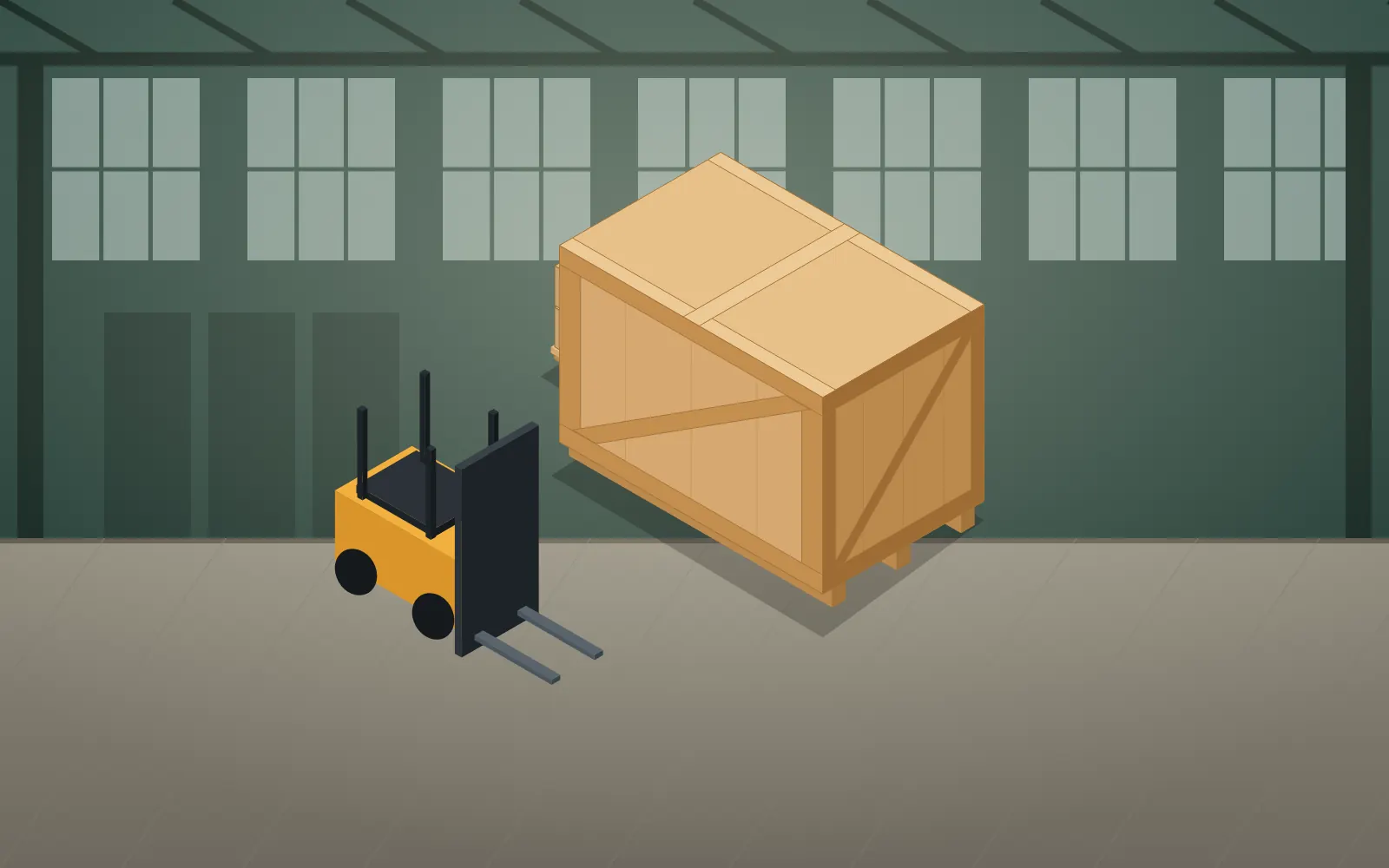
Custom plywood wood crate with cleats and diagonal bracing on a skid base in a Dallas crating warehouse
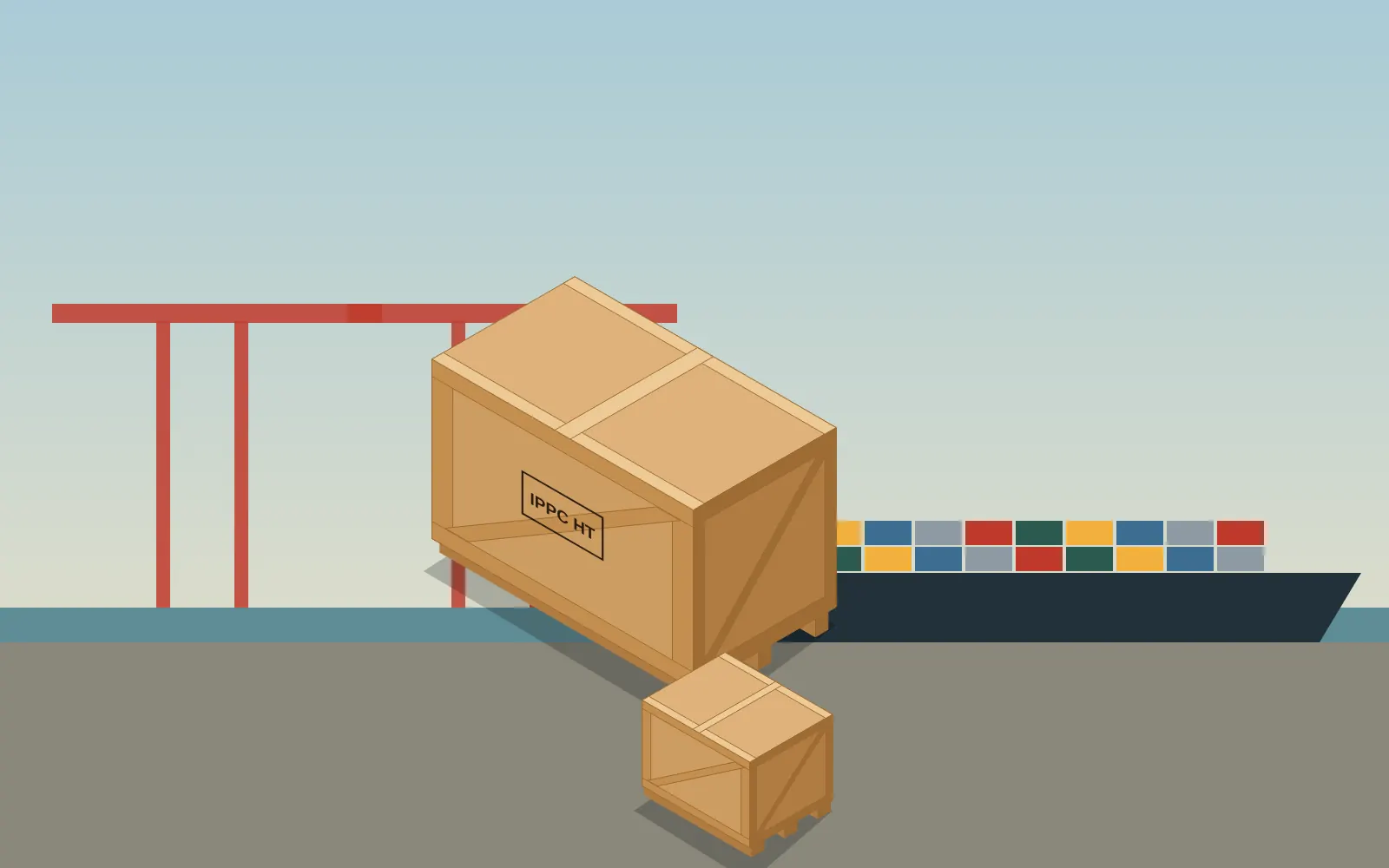
ISPM-15 export-readyISO 9001 certifiedMIL-STD compliantSame-day quotes available

What is custom wood crating?

Custom wood crating is building a wooden shipping crate sized and engineered for one specific item. The crate's dimensions, lumber, plywood thickness, skid base, internal blocking and cushioning are chosen for the item's weight, fragility and shipping route, so it is protected without paying for unnecessary material.

Why a Custom Crate Beats an Off-the-Shelf Box

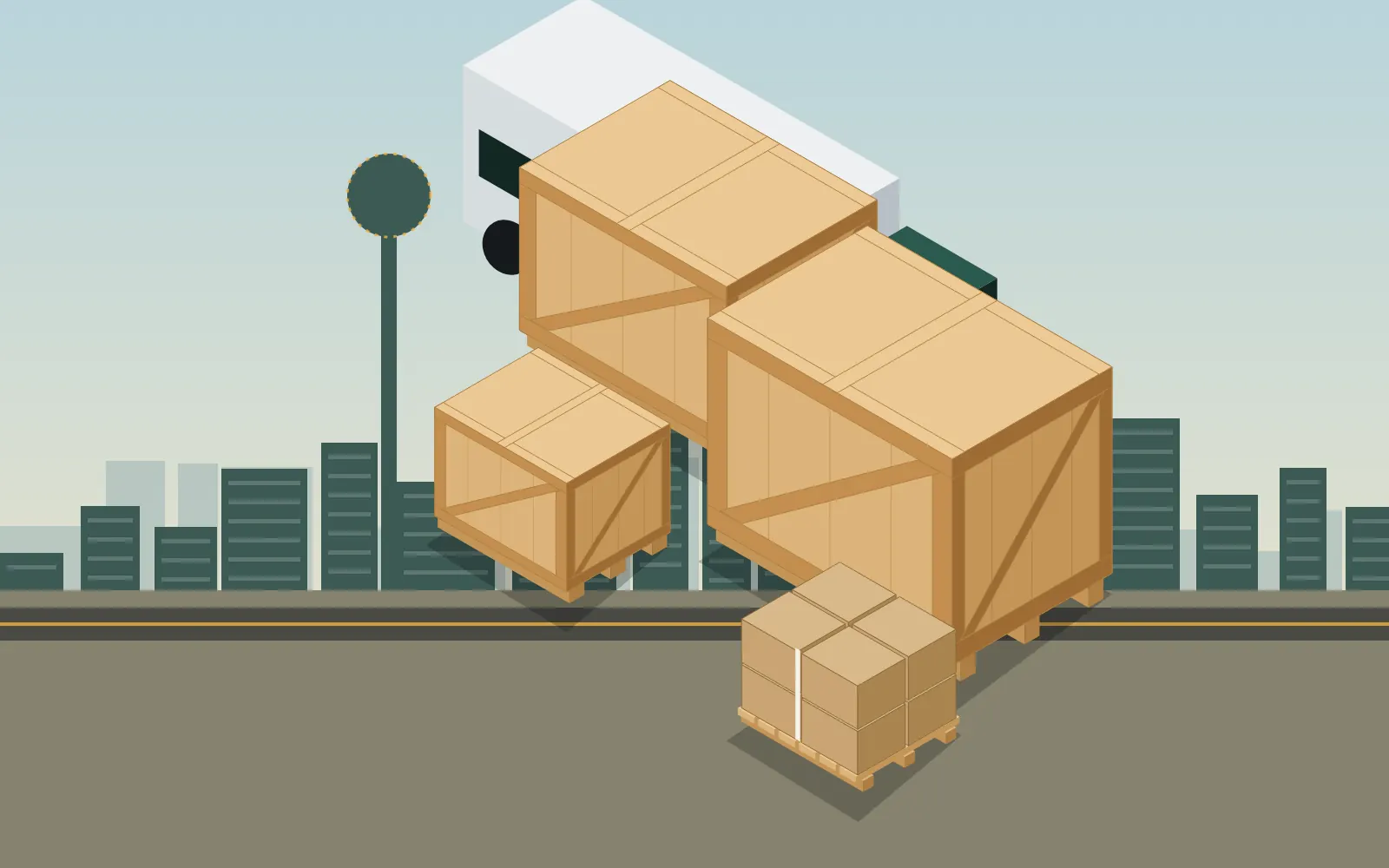
Stock crates are built for an average load. Your load is not average. A crate that is two inches too large lets the item build momentum before it hits a wall; a crate with the wrong skids can split under forklift tines; a crate without proper blocking turns a hard brake into an impact. A custom wood crate removes those gaps because every dimension and component is chosen for the item inside.

Wood remains the most practical crating material for industrial freight. It is strong for its weight, easy to fasten, repairable, recyclable, and can be built to almost any size in hours rather than weeks.

Crate Styles We Build

Closed, sheathed crates

Plywood or OSB panels on a lumber frame enclose the item completely, protecting it from impact, debris, weather and tampering. This is the standard choice for export, for items with exposed controls or finishes, and for anything stored outdoors.

Open-frame (skeleton) crates

A lumber frame without panels protects durable equipment while cutting weight and cost. Open crates are common for machinery shipping domestically on dedicated trucks.

Cleated plywood crates

Lightweight plywood panels reinforced with cleats, ideal for smaller, lighter items and for programs that ship many identical crates.

Skids and crate bases

Sometimes the right answer is an engineered skid with bolted or blocked restraint and a light cover. We build those too.

What Goes Into Every Custom Crate

  • Measured fit with clearance for cushioning and blocking, never guesswork.
  • Skid base sized to the weight, with runners that allow forklift or pallet jack entry from the sides you need.
  • Blocking and bracing that holds the item at its strongest points, often bolted through existing mounting holes.
  • Cushioning with foam or engineered isolators for shock-sensitive items.
  • Moisture protection with barrier bags, VCI or desiccant when the route or storage calls for it.
  • Marking for center of gravity, lift points, orientation, fragility and shipping labels.

Materials and Options

ComponentCommon options
Frame and skidsKiln-dried or heat-treated SYP and SPF lumber, sized to the load
PanelsPlywood or OSB, typically 3/8 in to 3/4 in
FastenersNails, screws, lag bolts, carriage bolts for removable panels
InteriorFoam, felt-lined blocking, bracing, tie-downs
ProtectionBarrier bags, VCI film, desiccant, shrink wrap
ExportISPM-15 stamped heat-treated lumber

On-Site or In Our Shop

We can build your crate at your facility through on-site crating, which avoids moving large or installed equipment twice, or in our Dallas shop through off-site crating. For international shipments we build with ISPM-15 lumber as part of our export crating service.

Who Uses Custom Wood Crates

Manufacturers shipping finished equipment, OEMs sending spare parts, labs relocating instruments, trade show exhibitors, museums and engineering firms shipping a single high-value item. See our industries for examples.

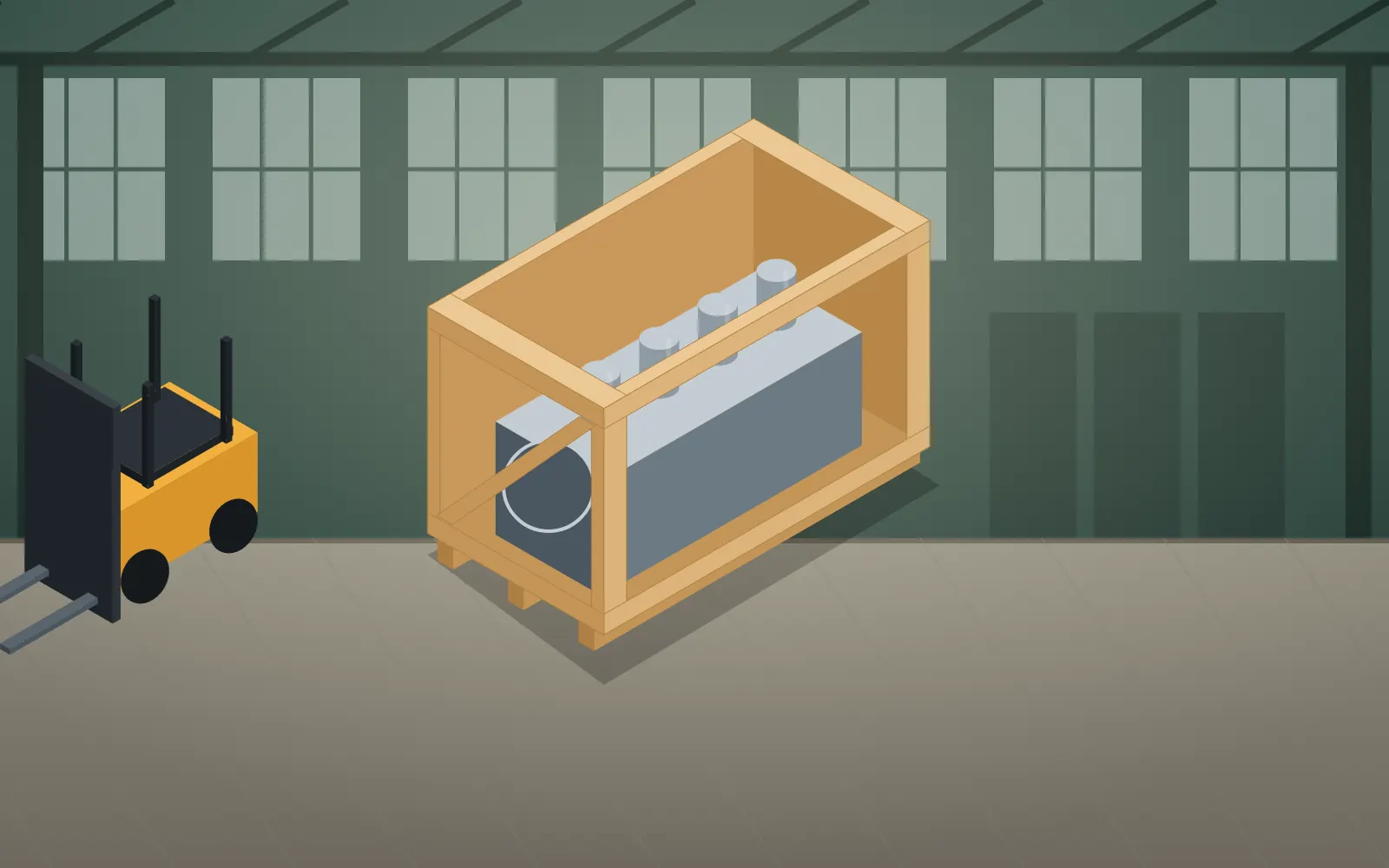
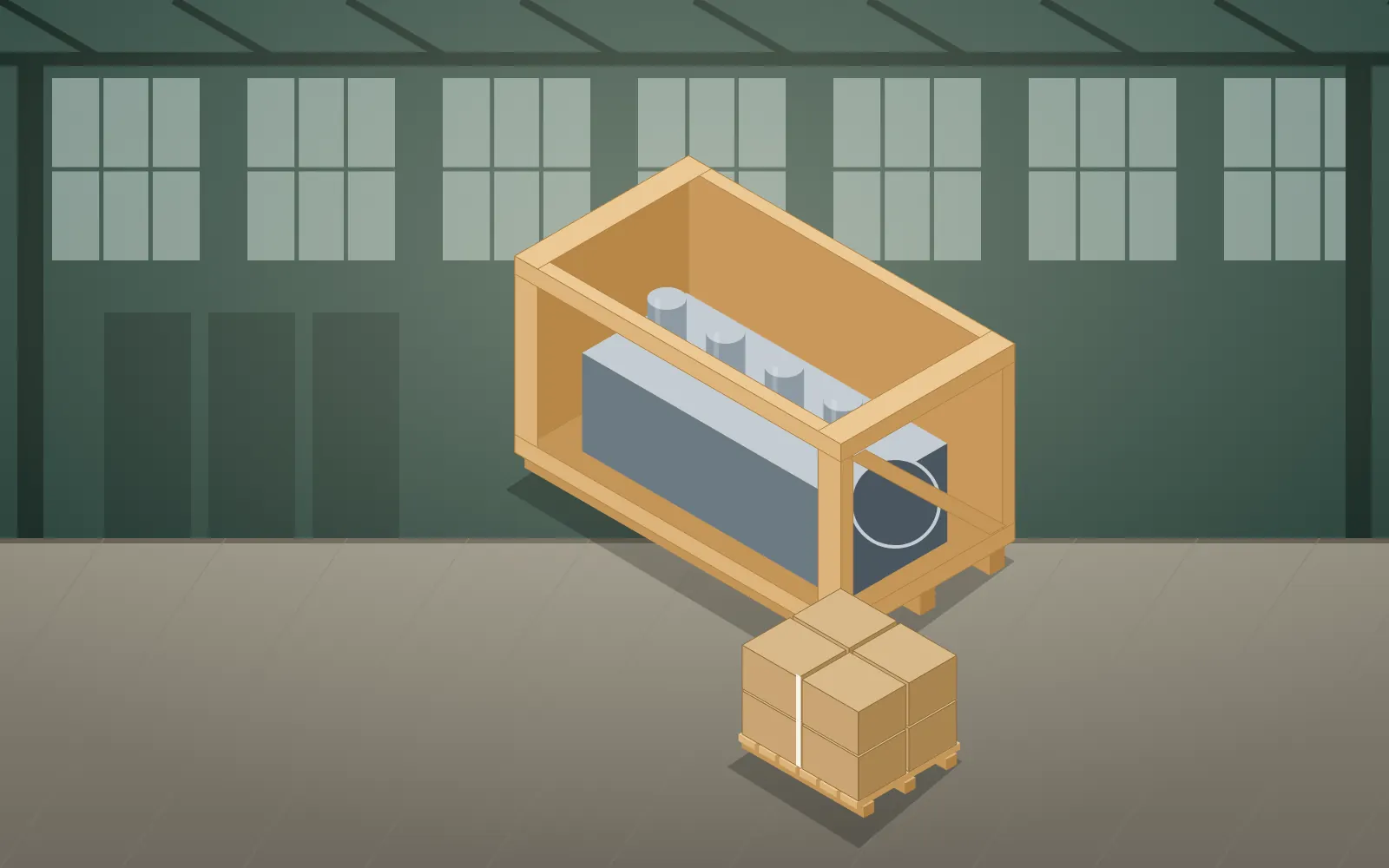
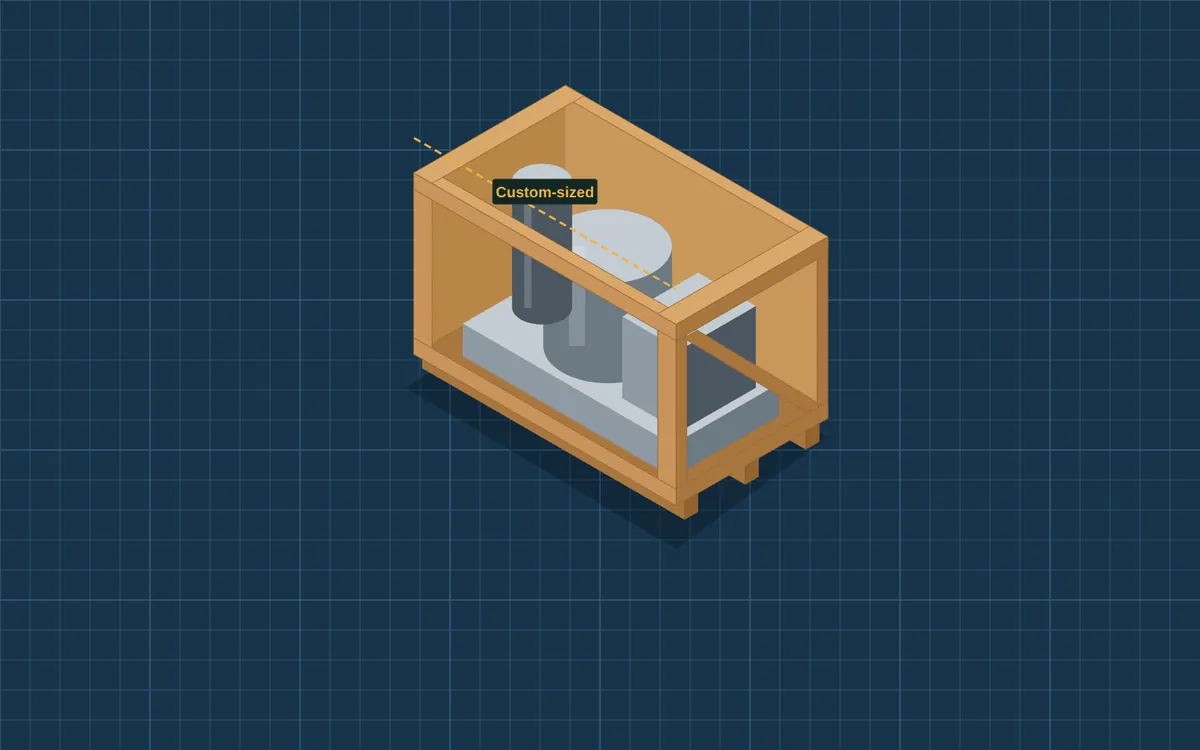
Cutaway drawing of a custom wood crate showing machine, skids and blocking
Crate dimensions, skids and blocking are planned around the item before any lumber is cut.

Frequently Asked Questions

Price depends on the crate's size, the item's weight, the lumber and plywood required, internal blocking or foam, export treatment and quantity. Small crates may cost a few hundred dollars, while large engineered crates cost more. Send dimensions, weight and photos for an exact quote, usually the same day.

Most single custom crates are built within a few business days after approval, and rush builds can be arranged. Large, engineered or multi-crate orders are scheduled when we quote.

An open-frame crate is a lumber skeleton with no solid panels, saving weight and cost for durable items. A closed crate is fully sheathed with plywood or OSB, protecting against impact, weather, debris and tampering.

Enough for the blocking, bracing or foam the item needs and no more. Fragile items need room for cushioning, while rigid equipment bolted to a skid may need only a small margin.

Yes. We can use screws or bolts on removable panels so the crate can be opened for inspection and reused for return shipments.

Yes, when built with ISPM-15 heat-treated and stamped lumber or exempt plywood. Tell us the destination and we will build to export requirements.

Yes. Heavy machinery crates use engineered skids, runners and bolted restraint sized to the load, including equipment over 20,000 lb.

Item dimensions, weight, photos, pickup location, destination, ship date and any special requirements such as export, MIL-SPEC or customer packaging specifications.

How a Custom Crating Project Works

  1. 1

    Consultation & assessment

    Send photos, dimensions, weight and the destination. We confirm handling points, fragility and any export or spec requirements.

  2. 2

    Custom design

    We size the crate, choose lumber, plywood, foam and barrier materials, and plan blocking, bracing and skids around the load.

  3. 3

    Build & validation

    The crate is cut and assembled in our shop or at your dock, with fit checks, fastener and skid sizing matched to the weight.

  4. 4

    Pack, mark & deliver

    Your item is secured, sealed, marked and documented, then handed to your carrier, delivered locally or stored.